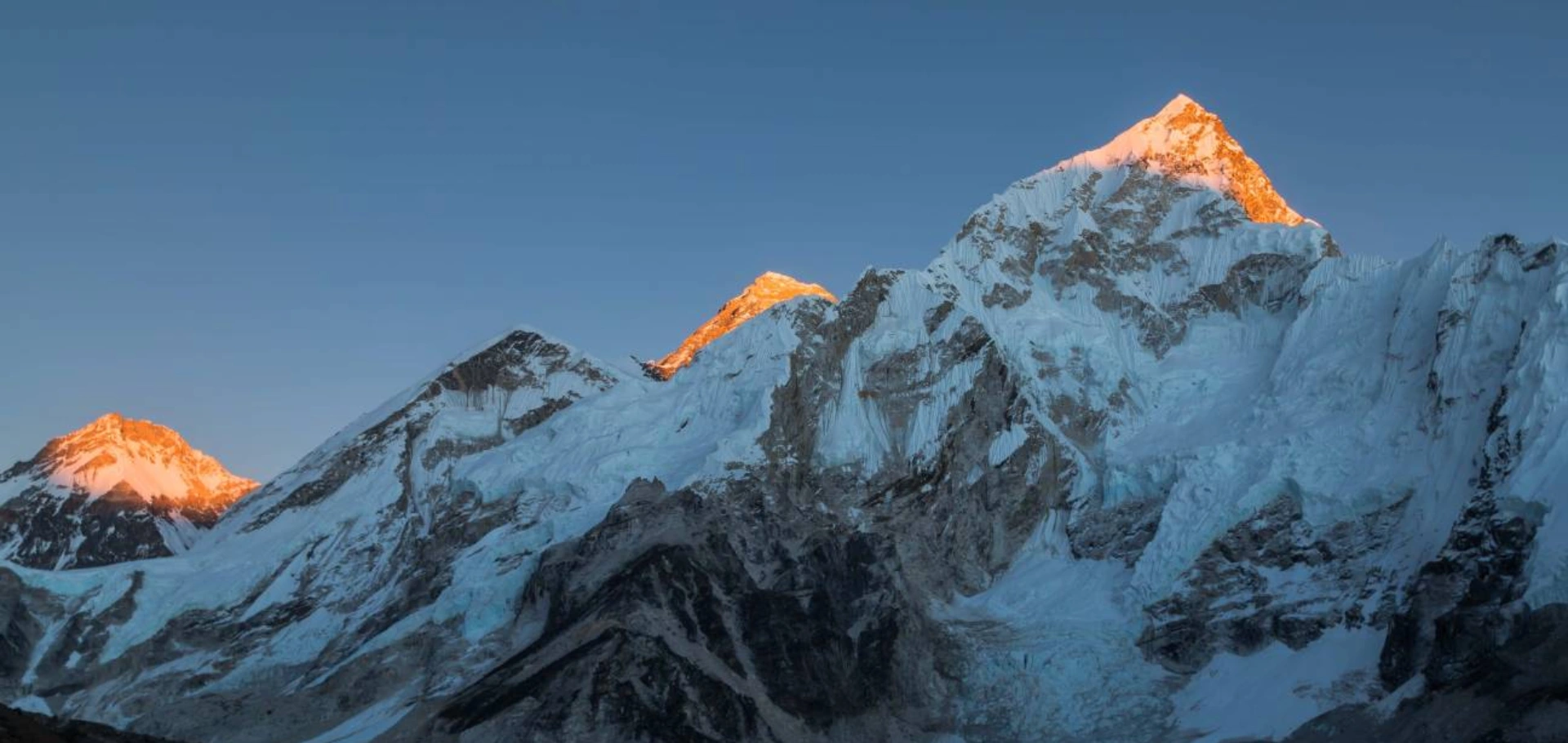
Everest Base Camp Short Trek: A Journey to the Roof of the World
What is the Everest Base Camp Short Trek?
- Working women and men, and other busy folks who can’t take off for weeks at a time.
- New trekkers who seem to find the Himalaya a great adventure.
- What an expedition-curious crowd.
Why Choose the Short Trek?
- Quick: Do the Noir trek in 10 days or less.
- Iconic destination: The base of Mount Everest.
- Jaw-dropping scenery: You’ll see snow-capped peaks, glaciers, and Sherpa villages.
- Cultural experience: Discover a rich Sherpa culture and visit Buddhist monasteries.
- Physical challenge: Push your limits at altitude.
Short Everest Base Camp Trek Key Highlights.
Stunning Himalayan Views
For the incredible panoramas that amazed us with every twist at every turn from the snow-capped summits of Everest, Lhotse, and Ama Dablam, and the dramatic Khumbu Glacier.
Sherpa Culture
Soak up the hospitable warmth of the Sherpa people. Spend time in monasteries, eat local foods such as dal bhat, and learn about their customs.
Kala Patthar Sunrise
The trek to Kala Patthar is a showstopper, claiming one of the best views of Everest. You’ve only got one chance to see the sun rise over the peak.
Sense of Achievement
Getting to Everest Base Camp is an epic achievement. A moment you’ll never forget is standing at the base of the world’s highest mountain.
Best Time to Trek
- The following are the best seasons for the Everest Base Camp short trek:
- Spring (March-May): Clear skies, blooming rhododendron, and moderate temperatures.
- Fall (September to November): The Weather is cool and stable, offering good visibility and clear air.
- Avoid the monsoon season (June-August) because of heavy rain and slippery trails, and winter (December-February) due to extreme cold and possible snow.
Price of the Short Everest Base Camp Trek
- It depends on the tour operator, inclusions, and group size. On average:
- Guided group trek: $1,000 to $1,500 per person.
- Private trek: $1,500-$2,000 per person.
This generally consists of Lukla return flights, permits, accommodation (teahouses), meals, and guide/porters. Extras, such as personal gear, tips, and travel insurance, are extra.
Getting ready for the Everest Base Camp Short Trek
Physical Preparation
- The EBC Short Trek is relatively difficult; you must be fit. Here’s how to prepare:
- Cardio training: Jog, cycle, hike, or any other cardio activities 3-4 times a week, for 2 to 3 months before your trek.
- Strength Workout: Legs and core for stamina on long trekking days.
- Altitude: When possible, practice hiking at higher elevations or use an inclined treadmill to simulate climbing.
Packing List
You’re going to want to pack light but intelligently. Here’s a suggested packing list:
- Clothing: Storing your layered clothing (thermo-treated wool, Gore-Tex/respirant, thermic fleece, waterproof and windproof coat, mountain pants, warm hat, gloves, trekking boots.
- Equipment list: Backpack 30-40L, warm sleeping bag (-10°C), hiking poles, headlamp, sunglasses.
- Essentials: Water purification tablets, first-aid kit, sunscreen, and lip balm with SPF.
- Docs: Passport, permits (Sagarmatha National Park Permit and TIMS card), and insurance papers.
Permits and Guides
You will require two permits for the trek:
- Sagarmatha National Park Permit: around USD 30.
- TIMS Card – around USD 20 for Independent Trekkers or USD 10 for Group Trekkers.
I would strongly recommend hiring a guide and porter for the short trek; they have local knowledge, carry heavy weights, and keep you safe.
Altitude Sickness Awareness
Altitude sickness is a danger at or above 3,000 meters. Symptoms include headache, nausea, and dizziness. To minimize risks:
- Climb slowly and adhere to the acclimatisation regime.
- Drink plenty of fluids and eat high-calorie foods.
- Try Diamox (consult a doctor first).
- Be conscious of symptoms, and descend if they worsen.
Why the Short Everest Base Camp Trek is Worth It
Beyond a trek, the Everest Base Camp Short Trek is an unforgettable experience: A workout that includes culture shock and the feeling of witnessing exceptional beauty. Whether you are at the base of Mount Everest or watching the sunrise from Kala Patthar, every part of this trip is a tribute to the majesty of the Himalayas. Intrepid yet accessible, for the time-pushed but big-seeking trekker, this adventure carves out the ideal proportion of everyday exploration and active challenge.
Find your Everest expedition. Ready to set off for the adventure of Everest? Reserve your trek today and start your journey to the top of the world!