
Top Highlights

Trip Duration
19 Days

Max Altitute
5,559 m

Best Season
Spring and Autumn

Trip Grade
Challenging

Group Size
2-20

Trek start-Ending place
Kathmandu/ Lukla

Meal
B.L.D

Region
Everest Region
Everest Three Pass Trek Highlights
- 19 Days of pure magical experience trekking in the Everest region of Nepal.
- Cross three of the three Himalayan giants' passes: Kongma La (5,535m), Cho La (5,420m), and Renjo La (5,360m).
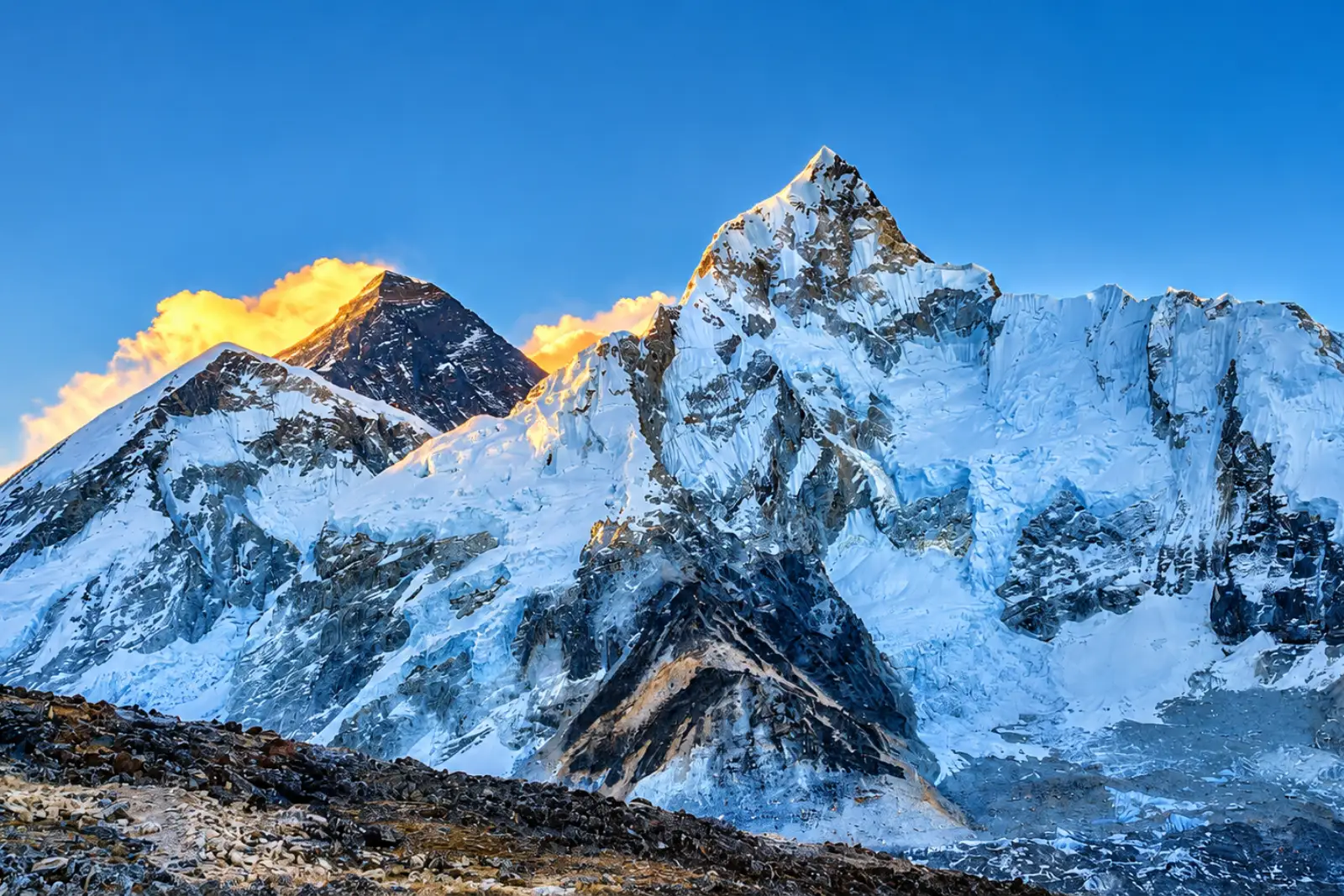
- Stand tall at the base camp (5364 meters) of the world's tallest peak, Mount Everest, and the Kalapatthar viewpoint at 5,559 meters above sea level.
- Wander around pristine blue Gokyo lakes and explore the tranquil and peaceful Gokyo Valley.
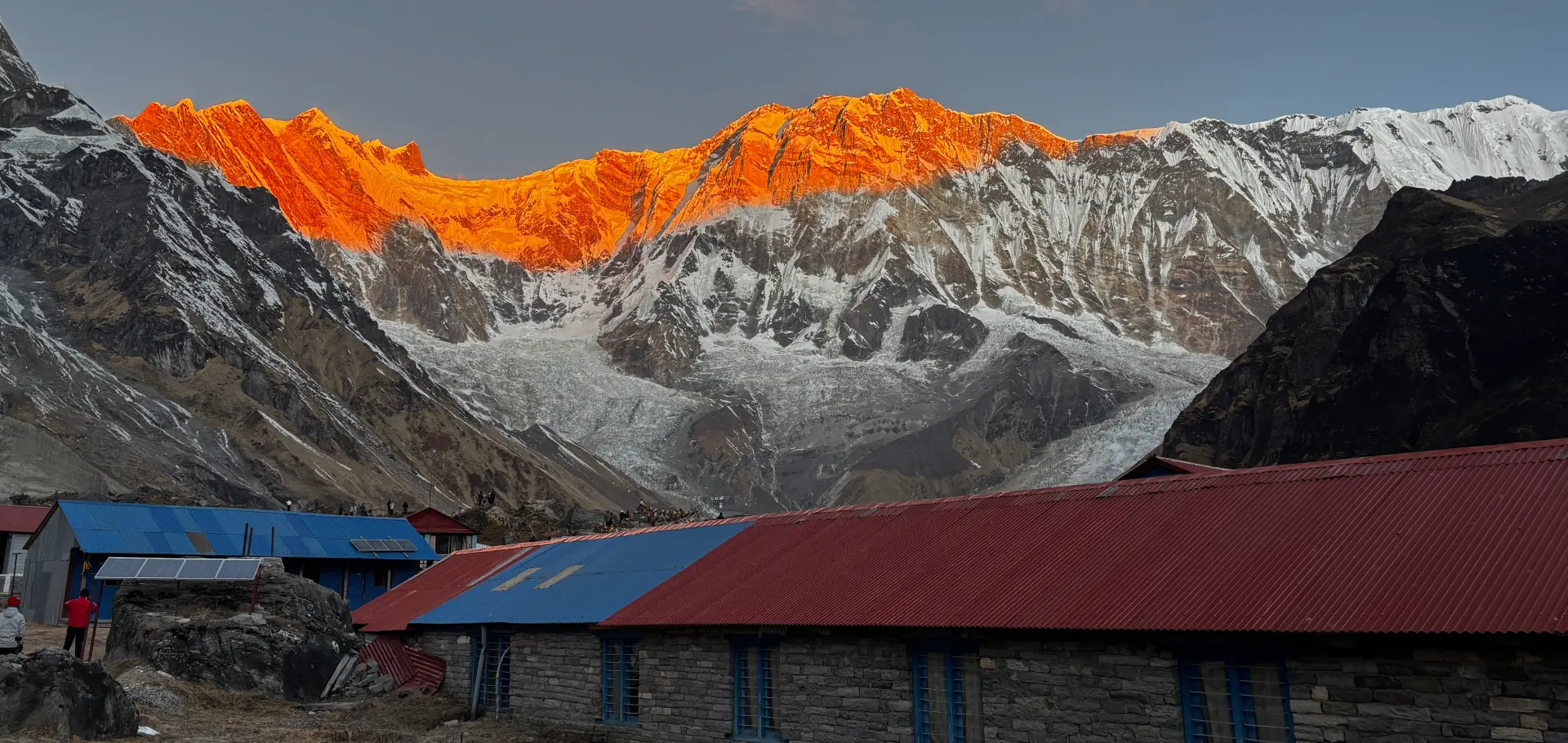
- Witness some jaw-dropping sunrise and sunset views over Everest, Lhotse, and Nuptse.
- Chance to stop and stay in some of the most authentic and remote Sherpa villages, including Thame, Dingboche, and Gokyo.
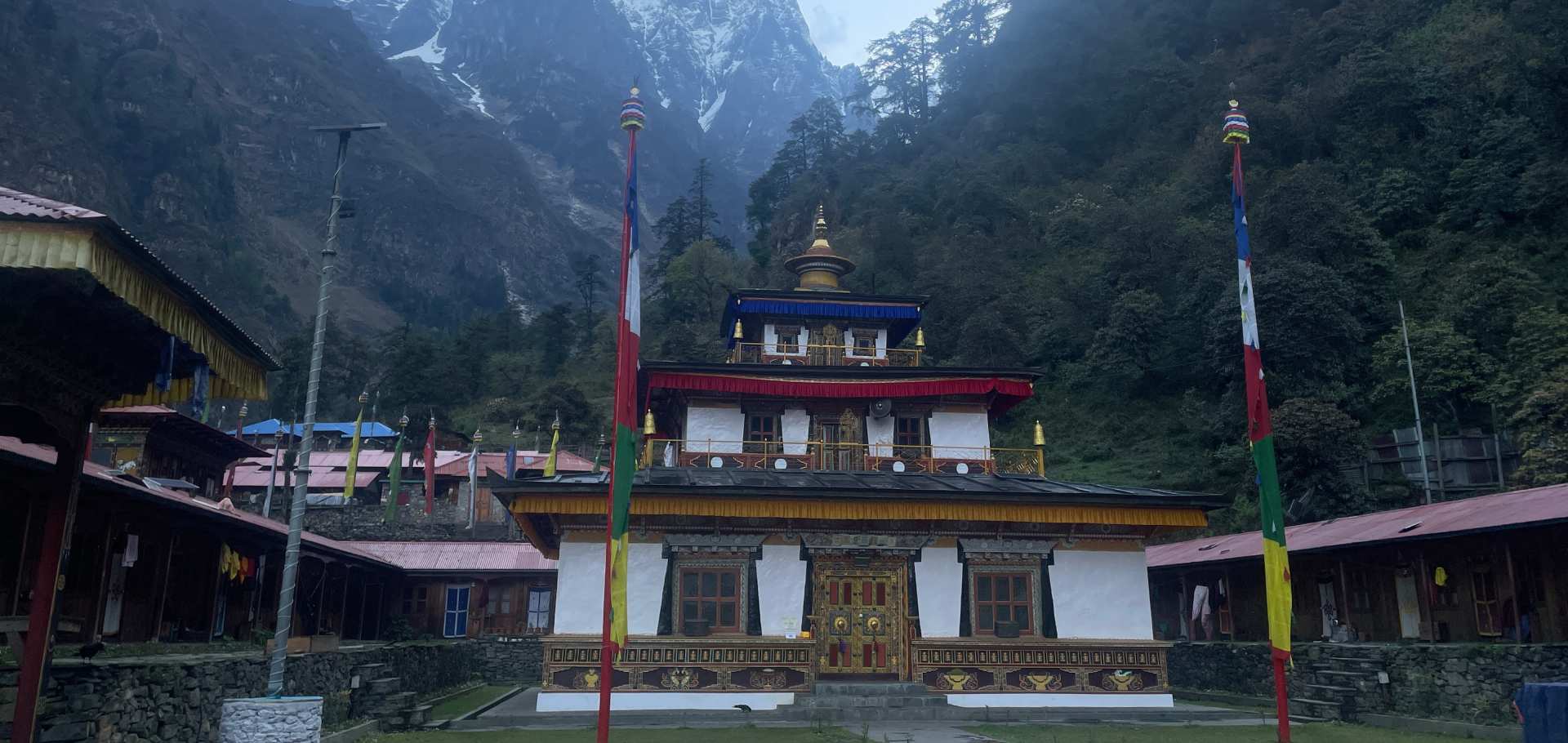
- Visit Tenboche Monastery, the spiritual heart of the Khumbu region.
- Walk deep in the Sagarmatha National Park and pass through some of the most diverse landscapes.
- Participate in a trekking package designed for adventure-hungry trekkers.
- The best chance to step beyond the regular Everest Base Camp Trek and dive deeper into the wild with fewer crowds, more raw trails, perfect for feeling a pure connection with the mountains.
Overview of the Everest Three Pass Trek

Gokyo Lake 4760m
Everest Three Passes Trek Permits
- Trekkers' Information Management System
- Sagarmatha National Park Entry Permit
- Khumbu Pasang Lhamu Rural Municipality Entry Permit
What's Available on the Everest Three High Pass Trek
- Wi-Fi access in most teahouses.
- Charging points for phones and cameras.
- Hot showers throughout the Everest Three High Pass Trek. Either gas-heated or bucket-style, depending on altitude.
- Boiled drinking water everywhere; purification tablets or filters recommended.
- Local shops sell snacks, toiletries, and basic trekking gear.
- However, ATMs are only available until Namche Bazaar. Therefore, we recommend that you carry extra cash while ascending further.
Book the Everest Three Pass Trek Now!
Are you ready to take on Nepal’s ultimate high-altitude challenge? Book the 19 Day Everest Three Pass Trek with Himalayan Ice Cap right away, and our team will handle every detail, from permits to personalised support. Have any questions or queries? Send us your queries via email at info@himalayanicecap.com or call us at +977-9861834427.
Want any other ways to reach out to us? Just send us your queries via the Contact Us page.
Itinerary
Our Everest Three Passes Trek begins right as you land in the Tribhuwan International Airport (Kathmandu). Our local representatives will pick you up from the airport and drive you to a hotel in Thamel. Along the drive, this vibrant city takes us across colourful prayer flags, distant temple bells, and that unmistakable energy that every trekker remembers. The staff in the hotel welcome you with welcome drinks before you check into the room.
In the evening, you will meet the guides who will brief you about the entire Everest Three High Passes Trek map. Well, after that, it's your time to have dinner and. go for a sound and restful sleep.
On the second day, we begin the journey towards the Everest region. For that, we can either fly directly from Kathmandu to Lukla or first take a drive to Manthali and then a flight to Lukla. Lukla, located at an altitude of 2850 meters above sea level, sits as the entry point to the Everest region trekking routes.
As we land in the Tenzing Hilary Airport (Lukla), the guides will take you on a trek to Phakding. This will just act like a preparation trek where trekkers only need to walk for about 3 to 4 hours. This trek takes us through pine forests, stone walls, and small Sherpa settlements for the first time in the Everest Three Pass Trek. From hereon, we will cross a lot of such and even more of such amazing vistas.
Phakding welcomes you with riverside lodges, fluttering prayer flags, and the soothing roar of the Dudh Koshi River. It’s the perfect easing-in point before the steeper climbs ahead. We settle into your teahouse, enjoy your first mountain meal, and get our first taste of Khumbu hospitality.
After having a delicious and fulfilling breakfast in Phakding, the professional Sherpa guides lead you through a trail that crisscrosses the Dudh Koshi on suspension bridges draped in vibrant prayer flags. In a little while, we pass through Monjo and enter Sagarmatha National Park, and that's where the real climb begins. The final push to Namche is steep and steady, and it's so iconic that every trekker remembers it for life.
If the weather is kind, we will also get the first glimpse of Mount Everest before we even reach Namche Bazaar. Reaching Namche Bazaar feels like stepping into the beating heart of the Khumbu. Coffee shops, bakeries, gear stores, and panoramic lodges cling to the mountainside. Besides, this place also helps us feel the altitude for the first time in this trekking journey. Furthermore, the views of Kongde Ri, Thamserku, and the horseshoe-shaped amphitheatre of Namche make every breath worth it.
On the fourth day, we will not ascend any further. Why so? Well, because it's an acclimatization day in the Everest Three Passes Trekking package with the Himalayan Ice Cap. But remember, acclimatization does not mean rest; it means climbing high and sleeping low, and the hike to Everest View Hotel is perfect for that. This hiking trail follows a ridge above Namche, where the landscape opens dramatically to Ama Dablam, Lhotse, Nuptse, Everest, and countless Sherpa villages.
Everest View Hotel, a hotel located at an altitude of 3960 meters, is where we are today. Here, we sit with a warm drink and stare straight at the most iconic skyline on the planet. After spending some time in the Everest View Hotel, we returned to Namche Bazaar. That's when you get another chance to explore the Sherpa Museum, local market, or simply lounge in the sun with fresh bakery treats. Overnight stay, and dinner will be arranged by our team in Namche.
As we leave Namche, we enter the alpine part of the Everest Three High Passes Trekking map. From here, the trekkers can experience quieter routes, less developed and sparsely populated villages, and the temperature getting colder with each step. Today's walk begins with a gentle traverse along a panoramic trail overlooking the massive walls of Ama Dablam and Thamserku. In a little while, we need to descend to Phunki Tenga, where he river rushes wildly, and then the real climb kicks in. In no time, we start wandering through dense rhododendrons and fir forests. It’s a rewarding ascent, and just when our legs begin to feel the burn, Tengboche reveals itself like a Himalayan postcard.
Tengboche sits at an altitude of 3860 meters as one of the most significant stops throughout the Everest Three Pass Trekking route. It's a peaceful, calm, spiritual, and awe-inspiring village with the Tengboche monastery standing proudly at the ridge. Besides, this village also serves us with a 360° panorama featuring Everest, Ama Dablam, Kantega, and Lhotse. Enjoy a peaceful time with Buddhist hymns and chants coming from the monastery while interacting with the locals.
On the seventh day, we stayed back in Dingboche for another acclimatization day. The acclimatization hike takes us on a slow and steady adventure up the ridge towards Nangkartshang Peak. This hiking trail offers instant rewards, taking us past glacial rivers gleaming below, Island Peak rising sharply ahead, and Makalu floating on the horizon like a silent giant. Also, let us tell you that every step you take today delivers another panoramic hit of Himalayan drama.
After spending some time on the peak, we returned to Dingboche. Back in Dingboche, the village feels surprisingly peaceful at this altitude. Stone houses, flapping prayer flags, and crisp mountain air create a perfect place to rest, refuel, and let your body adjust. Overnight stay, and dinner will be arranged in Dingboche before we ascend further on the Everest Three Pass Trek trail.
On the eighth day, we leave Dingboche and walk towards Chhukung, a beautiful village situated at 4730 meters above sea level. Today's trail is beautifully exposed, weaving through an open valley sculpted by glaciers and guarded by towering peaks like Lhotse, Nuptse, and Amphu Laptsa. As we continue the ascent, we will witness the landscapes becoming more dramatic, more rugged, and unmistakably more remote.
Chhukung sits like a tiny outpost at the edge of the mountains, surrounded by ice walls and soaring ridges. Besides, this village also serves as a launchpad for climbers heading toward Island Peak and trekkers preparing for the first of the Three Passes. Of course, we will experience thinner air, colder temperatures, and more rugged land formations, adding to the fact that we are on an alpine adventure now.
Today is one of the significant days of the Everest Three Pass Trekking journey. Why so? Well, because today we make our way to one of the three passes, the Kongma La Pass (5535 meters). The journey starts giving that epic vibe as soon as we leave Chhukung and start climbing. Get ready for some thrills and adventures as the trail rises over rocky terrain, glacial rubble, and shimmering frozen lakes. Reaching Kongma La, we'll notice the world turning into a wild, remote, ice-carved wilderness. Also, remember that the final push to Kongma La Pass is steep, thrilling, and incredibly rewarding, so keep a slow and steady pace.
From the top of Kongma La Pass, the views explode into a full 360° panoramic view of Makalu, Ama Dablam, Baruntse, Lhotse, and a sea of ridges stretching into infinity. After spending some quality time on Kongma La Pass, we make a return to Lobuche. This walk goes deep into the Khumbu Glacier valley, navigating its undulating, moon-like terrain until Lobuche appears ahead. Take your time to interact with the locals and enjoy a cool and chilling night at Lobuche.
One tenth day, we get a chance to stand on the base camp of the world's tallest peak. Yes, today we hike to the Everest Base Camp, situated at an altitude of 5364 meters above sea level. As we commence with the hike, the trail hugs the edges of the Khumbu Glacier, moving through rocky moraines and frozen terrain that feels purely Himalayan. Firstly, we reach Gorakshep, the last settlement on the route, where the landscape flattens into a sandy plateau surrounded by towering peaks.
The hike to Everest Base Camp from Gorakshep is pure Himalayan thrill. As we make our way to EBC crossing some rugged and thrilling route, the base camp welcomes us with a colourful spray of prayer flags, and the iconic “Everest Base Camp” rock marker comes into view. Besides, standing at an altitude of 5364 meters above sea level, we can also sense the Khumbu Icefall rumbling behind us.
Moreover, we can also see Mount Everest hidden just beyond its massive walls. Let us tell you that this is the closest you can stand to the world’s highest peak without being a climber. After spending some time in the Everest Base Camp, we return to Gorakshep for dinner and an overnight stay.
Today, we need to start the walk a little earlier than every other day. Why? Because we will go for a sunrise view hike to the Kala Patthar viewpoint located at an altitude of 5555 meters. Remember that this is the highest point of the entire Everest Three Pass Trekking map. The hike to Kalapatthar will be short but steep, and with each switchback, the sky glows a deeper shade of gold. When we finally step on the viewpoint, Everest dominates the skyline, glowing in the morning light alongside Lhotse, Nuptse, and the endless sweep of the Khumbu.
After getting some photos, videos, and capturing precious memories in Kala Patthar, the guides take us down towards a village named Dzongla. The trail from Kala Patthar to Dzongla feels like stepping into a quieter corner of the Khumbu. Here, we need to cross rolling moraines, icy streams, and wide-open valleys with spectacular views of Ama Dablam peak. Dzongla, a scenic cultural village situated beneath dramatic cliffs, with Cho La Pass looming ahead, has much peace and restfulness to offer.
Another day calls for another alpine adventure in the Everest Three Pass Trek. Let us tell you that this will be one of the most thrilling days of the Three Passes Trek. The climb begins gently across rocky slopes and then steepens dramatically as you approach the glacier. Depending on the season, we might find snowfields, icy patches, and frozen steps carved by previous trekkers.
As we make our way to Cho La Pass (5420 meters, the top serves us with the 360-degree raw and panoramic views of the Himalayas and valleys. After spending some quality time on the top of the pass, we set out on a trail down towards Thangnak, another scenic village in the Everest Three Pass Trekking trail. Getting back to Thangnak requires us to walk down the icy side of the pass, following ropes and carved footholds until the terrain eases into rocky trails. Besides, this section of the trail also takes us alongside the edge of the Ngozumpa Glacier, the longest glacier in Nepal.
It takes about 6 to 7 hours for us to complete today's walk. After that arrives Thangnak, a cozy, windswept settlement where we stay for a warm dinner and relaxing sleep.
Almost every day on this trail feels like a new level of adventure, serving us with different significant checkpoints. On that verge, we set ourselves up for another spectacular walk to Gokyo, another significant village at 4790 meters. This part of the route takes us across the Ngozumpa Glacier, an alien landscape of ice ridges, gravel beds, and glistening meltwater pools. Besides, we will also notice the trail constantly shifting, depending on the glacier’s mood, making it a slow and steady crossing.
However, as we reach the other side of the hill, the entire world changes, serving us with calm blue waters, sweeping valleys, and Gokyo’s iconic lakes greeting us in full glory. Gokyo, where we reach after 3 to 4 hours of walking, sits beside the turquoise Third Lake, with Cho Oyu rising proudly in the background. Here, we will settle down in tents prepared by our Sherpa guides.
The Himalayan Ice Cap team keeps trekkers' safety and health as our first priority. To make sure that the trekkers get enough time to prepare themselves for higher altitude ascents, our Everest Three Pass Trek itinerary has three planned acclimatization and today is the last one of those. As usual, we do not sit idle on the rest day; instead, our Sherpa guides take you on a hike to Gokyo Ri. Located at an altitude of 5357 meters above sea level, Gokyo Ri serves as one of the finest viewpoints in the entire Everest region. The trail will be steep yet rewarding, and as we climb higher, we also get an exceptional bird's-eye view of the Gokyo Lakes shimmering below.
After soaking all into the natural beauty and excellence of the views from Gokyo Ri, we trace our steps back to Gokyo. Take your time to wander around the lake, interact with other trekkers, and enjoy warm meals in a cozy lodge before going for a good night's sleep.
On the fifteenth day, we ascended to the last of the three high passes of the Everest region. Yes, it's the day when we step on Renjo La Pass, located at an altitude of 5360 meters above sea level. The climb to Renjo La Pass will certainly be steady and spectacular. However, the final stretch of the trail offers a zigzag ascent up stone steps and snowy slopes. From Renjo La Pass's top, we get one of the most spectacular views of the Everest panorama.
After spending time in Renjo La Pass, capturing as many photos and videos as possible, and experiencing the alpine scenery, we descend back to Lungden. Located at an altitude of 4380 meters, this village sits as a peaceful, quiet, and relaxing stop. Enjoy a warm and cozy stay in this scenic Sherpa settlement before beginning the descent.
After such a long and adventurous walk in the higher part of the Everest Three Pass Trekking trail, it's finally time for us to return. Today's trail descends all the way from 4380 meters to 3450 meters above sea level. The trail is mostly downhill, passing through stone-walled fields, small villages, and trails once used for trade with Tibet. Also, we will only have to walk for about 5 to 6 hours today, after which we will get reunited with WiFi, bakeries, hot showers, and outstanding comfort after many days.
Namche certainly feels like returning home after such a tiring and demanding trek across three of the highest passes in the Nepali Himalayas.
Today is the last day for us to walk on the Everest Three Pass Trek, and that is from Namche Bazaar to Lukla. This section of the trail retraces the classic Everest trail through pine forests, suspension bridges, and the lively Dudh Koshi valley. Besides, we also get a chance to cross the Hillary Suspension Bridge one last time before slowly making our way to Lukla.
Spend the evening in Lukla with a feeling of relief, pride, and excitement. Overnight stay, and dinner will be arranged by our team in Lukla.
On the 18th day, we return to Kathmandu from Lukla via a flight just like we did when we began our three-pass adventure. The takeoff from Lukla airport is worth experiencing, so get ready for that. In about 30 minutes of flying over the Himalayas, hills, and cities, we reach Kathmandu airport, from where our local representatives take you to the hotel.
Take your time to freshen up and rest while also getting prepared for an authentic Nepali farewell dinner from our side. Also, we will provide a certificate to the trekkers who have just conquered three of the highest mountain passes in Nepal.
Today's day depends heavily upon what your further plan is. If you plan to return to your country, our representatives will drive you to the airport and bid you farewell. However, if you want to go for any other relaxing tours in Nepal, Himalayan Ice Cap can make the arrangements.
Cost Include
- Arrival and departure at the International Airport.
- Hotel in Kathmandu with Bed & Breakfast.
- Sagarmatha National Park Fee.
- All Permits.
- Domestic flight.
- Accommodation and Meals (Breakfast, Lunch & Dinner) during the trek period.
- Daily Wages and Insurance of guides and porters.
- 1 porter for 2 trekkers.
- Sightseeing in Kathmandu.
Cost Exclude
- Personal Travel Insurance (compulsory to have insurance that covers helicopter evacuation)
- Lunch & dinner in Kathmandu
- Emergency Rescue evacuation
- Personal expenses such as shopping, snacks, bar bills, bottled beverages, boiled water, shower, laundry, telephone calls, battery recharge fee, souvenirs, extra porters, etc.
- Tipping for trekking staff
- Personal Equipment for Trekking
- Excess Baggage Charge
More Info
Best Seasons for the Everest Three Pass Trek
Trekking to the three passes of Everest is not something that one can just do casually. It's a trek that tests the limits, goes to extremes, and might even compel trekkers to regret their decisions if not chosen in the right season. As the trail ascends over 5000 meters of altitude, that too, after crossing three high passes, clear skies, stable weather, and solid trail conditions matter more than ever. The sweet spot? Spring and autumn. These seasons offer the crisp visibility, calm winds, and firm-packed trails you want when navigating glaciers, exposed ridgelines, and icy passes.
The Himalayan Ice Cap team also opens bookings during the winter and summer seasons. However, these seasons also carry their own risks, like avalanche zones, snowed-out trails, and unpredictable storms. For the best balance of adventure and safety, stick to the prime seasons below:
- Spring (March to May): Blossoming rhododendron forests, warmer days, and excellent visibility make this the most colourful time to tackle the passes. Snow conditions are generally manageable, and the mornings are crystal clear for panoramic views.
- Autumn (September to November): This season sits as the gold standard for Himalayan trekking. Due to stable weather and crisp air, we can expect jaw-dropping views of Ama Dablam, Lhotse, and Everest.
- Winter (December to February): This season is a stunning one, equally brutal too. Heavy snow can block the passes, temperatures drop dangerously low, and storms are more common.
- Monsoon (June to August): Cloudy skies, slippery trails, flight delays, and leeches. Scenic? Sometimes. Safe for Three Passes? Not quite.
Altitude Sickness and Travel Insurance
Travel Insurance Requirements
- Must cover trekking up to 6,000 meters; standard policies won’t cut it at the Three Pass altitudes.
- Include helicopter evacuation and medical repatriation, mandatory for remote Himalayan regions.
- Should protect against trip delays or cancellations caused by weather, Lukla flight changes, or unexpected disruptions.
Food & Acclimatization
Food and acclimatization are two of the things that we cannot compromise on while ascending any trekking routes. It's not just about eating and settling; it's more about keeping your energy steady for long, demanding days on the trail. Keeping these factors as the main concern, the Himalayan Ice Cap team ensures that stays in teahouses that serve warm, simple, and freshly cooked meals. Mostly, the teahouses and lodges serve foods like dal bhat, Sherpa stew, noodles, fried rice, eggs, and potato dishes.
Acclimatization on this trek is just as important as the scenery you’re chasing. With three passes over 5,300 metres, you’ll follow a carefully paced itinerary designed to help your body adjust naturally to the thinning air. Besides, the Himalayan Ice Cap's package also includes dedicated acclimatization days in Namche, Dingboche, and Gokyo. These rest days also have short and meaningful hikes that boost your altitude adaptation while offering some of the region’s best views.
To ensure the further safety and well-being of the trekkers, the guides also regularly monitor oxygen levels, encourage steady hydration, and set a comfortable pace.
Accommodation
Throughout the Everest Three Passes Trek, the trekkers can expect simple, warm, and wonderfully welcoming teahouses and lodges. The accommodation that our team arranges offers clean rooms with basic comforts: wooden beds, foam mattresses, warm blankets, and a shared dining hall heated by a yak-dung stove. In lower villages like Namche, Tengboche, and Dingboche, the rooms are a bit more spacious, and you might even find en-suite options, Wi-Fi, hot showers, and charging facilities.
As we ascend higher on the trail and reach villages like Lobuche, Gorakshep, Dzongla, and Thangnak, the accommodation becomes simpler and more rugged, reflecting the altitude and remoteness. You can expect more compact rooms, limited amenities, and warmth from your sleeping bag and the dining room stove. However, these factors do not lead to any compromises in hygiene and cleanliness. So, if you book the Everest Three Pass Trek with Himalayan Ice Cap, there will not be any compromise in the quality of hygiene and safety.
More Facilities
The Everest Three Pass Trek takes us through some of the most remote and rugged pockets of the Khumbu region. However, the trekkers will still find enough facilities to keep them comfortable and connected. Teahouses along the trail offer Wi-Fi (stronger in the lower villages, patchy up high), charging stations for your devices, hot showers, boiled drinking water, and small shops with basic trekking essentials.
Everest Three Pass Trek Difficulty Level
The Everest Three Pass Trek is considered to be one of the toughest non-technical treks in Nepal. This trekking journey covers long distances every day, passing through the highest altitudes, including the three major passes: Kongma La (5,535 m), Cho La (5,420 m), and Renjo La (5,360 m). During this journey, we also need to push ourselves into the risk zones for altitude-related issues.
Besides, here are some more factors that make this trek more challenging, and what you need to be well-prepared:
- High Altitude Stress: Ascending through the passes and reaching EBC and Kalapatthar viewpoint means reaching extreme elevations. This makes staying well-acclimatized and recognising altitude symptoms critical.
- Glacial Terrain: Trekkers can expect long sections over moraines, ice, and uneven rocky ground, which requires trekkers to use hiking poles for strong balance.
- Variable weather: Wind, snow, and temperature swings are common, especially near the passes.
- Physical Stamina: With many uphill stretches and steep descents, strong leg strength and cardiovascular endurance are essential.
- Mental Resilience: This trek requires determination, patience, and the mental grit to push through physically demanding days.
Who is this trek for?
One thing that every trekker needs to understand before planning for the Everest Three Passes Trek is that this trek might not be suitable for everyone. So, check this list to find out if this trek is a good option for you or not, because the Everest Three Pass Trek is perfect for:
- Experienced trekkers who have done at least one multi-day mountain hike before.
- Anyone comfortable with high altitude, glacier travel (on foot), and long ascents/descents.
- Trekkers are willing to train physically for 8-12 weeks with cardio, strength, and trekking practice.
How to Prepare for the Everest Three Pass Trek?
Difficult treks require trekkers to prepare some extra bits than any other treks in the Himalayas. In addition to that, the Everest Three Pass Trek is where trekkers will be chasing alpine and extreme climatic conditions, rugged trails, and remote landscapes.
Here are a few things that, if you follow, can absolutely crush the 19 Day Everest Three Pass Trek:
Train like you mean it
Remember that this three-pass trek demands strong legs, solid lungs, and a resilient mindset. This means that trekkers need to aim for at least 8–12 weeks of training, focusing on:
- Cardio: Long-distance hikes, stair climbing, running, or cycling 4–5 times a week.
- Strength Training: Squats, lunges, deadlifts, and core exercises to protect knees and back.
- Endurance Hikes: Carry a weighted pack (8–10 kg) on uneven trails to simulate real conditions.
Build your altitude tolerance
No one masters altitude at all; it's just how fast one can adapt to the alpine trails. So, make sure to prepare yourself by:
- Planning for a slow and steady itinerary
- Hydrating aggressively (3–4 ltr. per day)
- Avoiding alcohol before and during acclimatisation days
- If possible, do a practice trek above 3,000 m beforehand.
Get gear that works on the mountain
One of the best ways to keep yourself safe and consistent during any trek is by getting the gear that perfectly matches the requirements of the trekking trail.
Train your mind as much as your body
Ascending this trail tests your patience, not just physically but mentally as well. Also, make sure to prepare yourselves to handle:
- Long ascents
- Exposure to cold winds
- Rocky glacial sections
- Early morning starts
Remember that meditation, yoga, hydration, and healthy food habits help you keep your mental health in the highest form.
What to Pack for the Everest Three Pass Trek?
The Everest Three Pass Trekking route pushes trekkers through icy ridgelines, sweeping glaciers, and some of the highest navigable trekking trails on the planet. One of the best ways to tackle the obstacles that can come during this trek is by packing smart and light. Check out the packing list for the Everest Three Pass Trek and make sure to take these with you during the journey:
Clothing & Layers
- Base layers (thermal top & bottom)
- Fleece or mid-layer jacket
- Insulated down jacket for sub-zero mornings
- Waterproof/windproof shell jacket
- Trekking pants and a warm inner layer
- Gloves (inner and insulated outer)
- Warm beanie and sun hat
- Buff/neck gaiter
Footwear
- Broken-in trekking boots (waterproof)
- Comfortable camp shoes
- Wool/synthetic trekking socks (4–5 pairs)
Technical & Safety Gear
- Trekking poles
- Headlamp with extra batteries
- Microspikes/crampons for icy pass sections
- Sunglasses with UV protection
- Reusable water bottles or hydration bladder (2-3L)
- Water purification tablets or a filter
Sleeping & Personal Items
- 4-season sleeping bag (-15°C to -20°C comfort rating)
- Quick-dry towel
- Toiletries + biodegradable soap
- Sunscreen + lip balm (SPF 50++)
Electronics
- Power bank (10,000-20,000 mAh)
- Charging cables
- Lightweight camera or action cam (optional)
Medication & First Aid
- Personal medications
- Diamox for altitude (if prescribed)
- Blister kit, bandages, pain relievers
- Electrolytes & energy gels/bars
Documents & Essential Paperworks
- Passport with all the permits (we organise them, but carry copies)
- Travel insurance (6,000 m coverage is a must)
- Cash for snacks, Wi-Fi, charging, and hot showers
FAQ
Anil Tamang
Tour Manager