
Top Highlights

Trip Duration
13 Days (including arrival/departure.

Max Altitute
Thorong La Pass (5,416 meters)

Best Season
March–May and September–November

Trip Grade
easy

Group Size
2-20

Trek start-Ending place
Besisahar or Chamje Jomsom or Pokhara

Region
Annapurna Region
Annapurna Circuit Trek Highlights
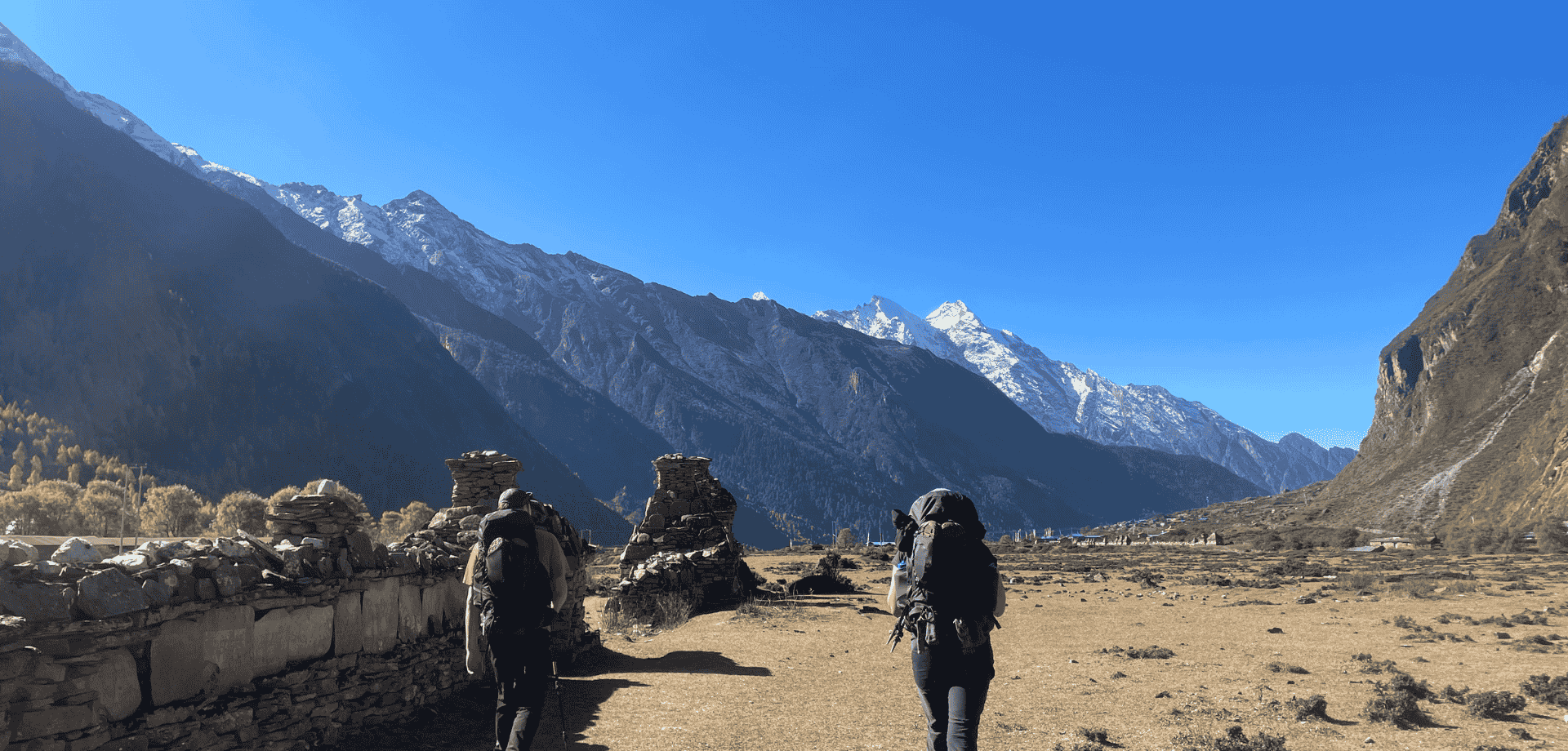
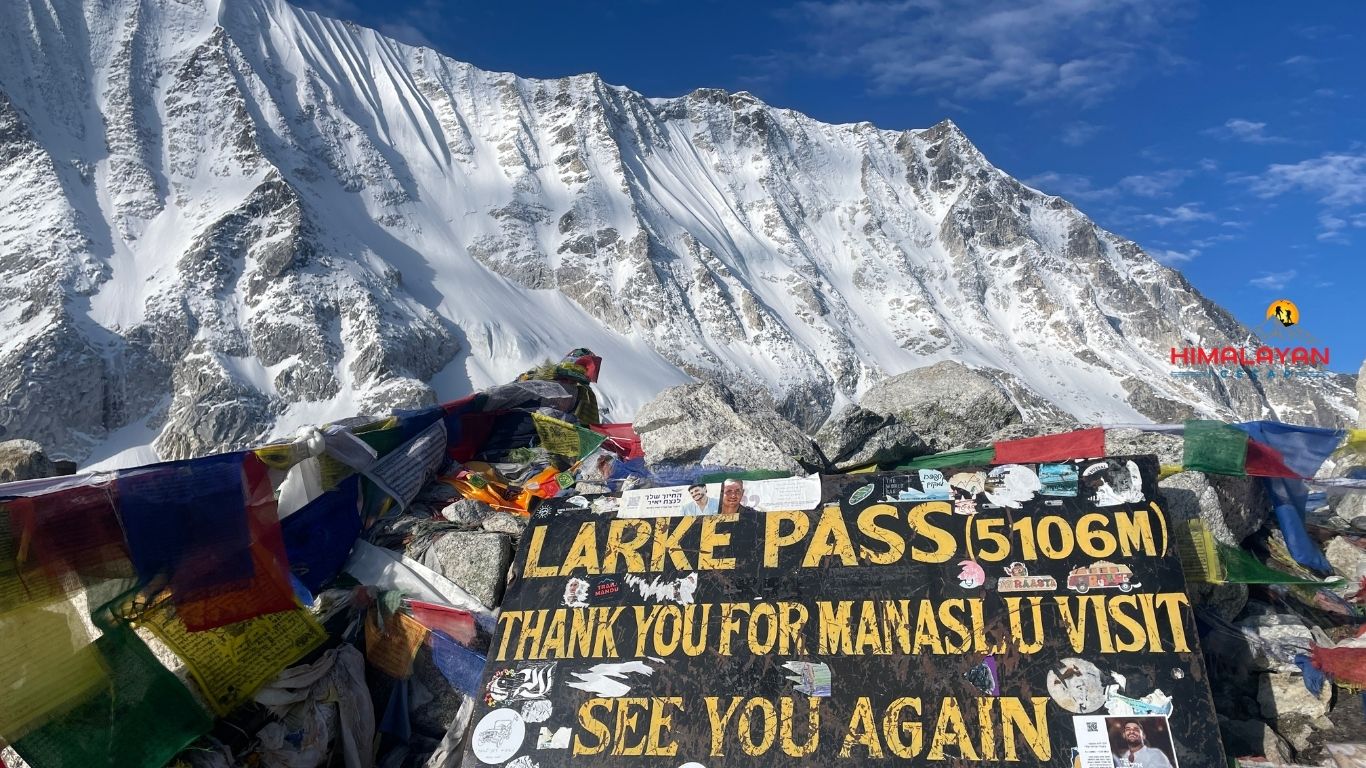
- A trek around the Annapurna Circuit with an opportunity to cross the Thorong La Pass (5416 meters).
- Experience dramatic landscapes, from lush valleys and alpine meadows to arid Himalayan deserts.
- A beautiful opportunity to immerse oneself deeply into the authentic Gurung, Manangi, and Thakali culture along the trail.
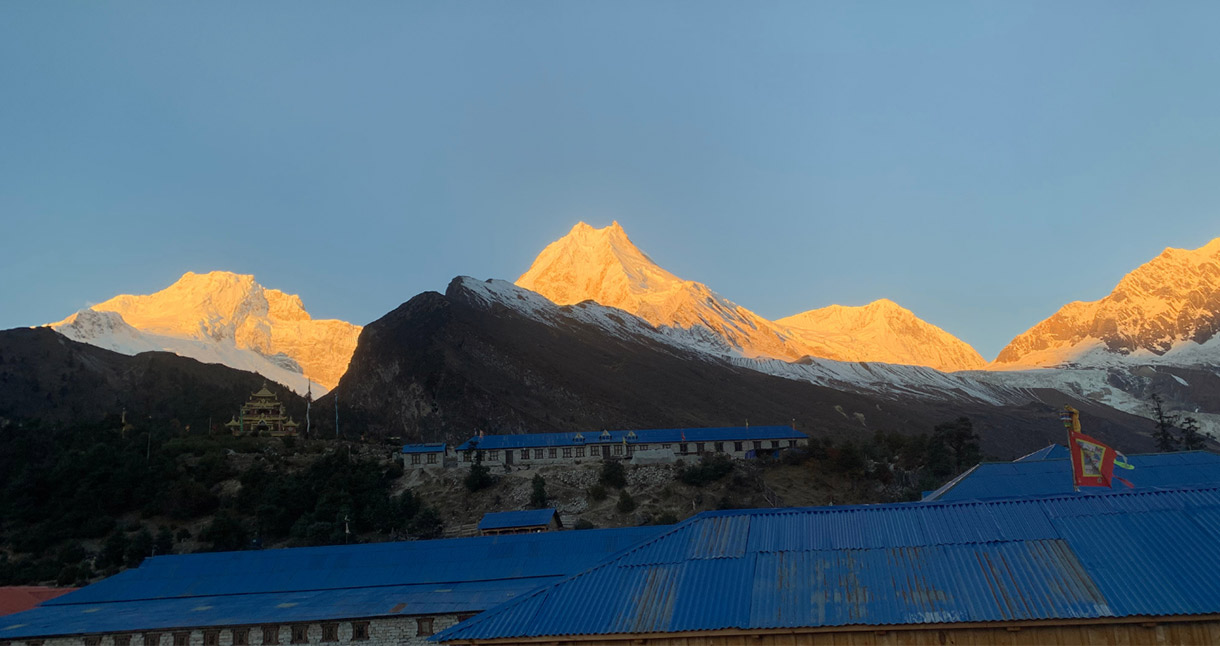
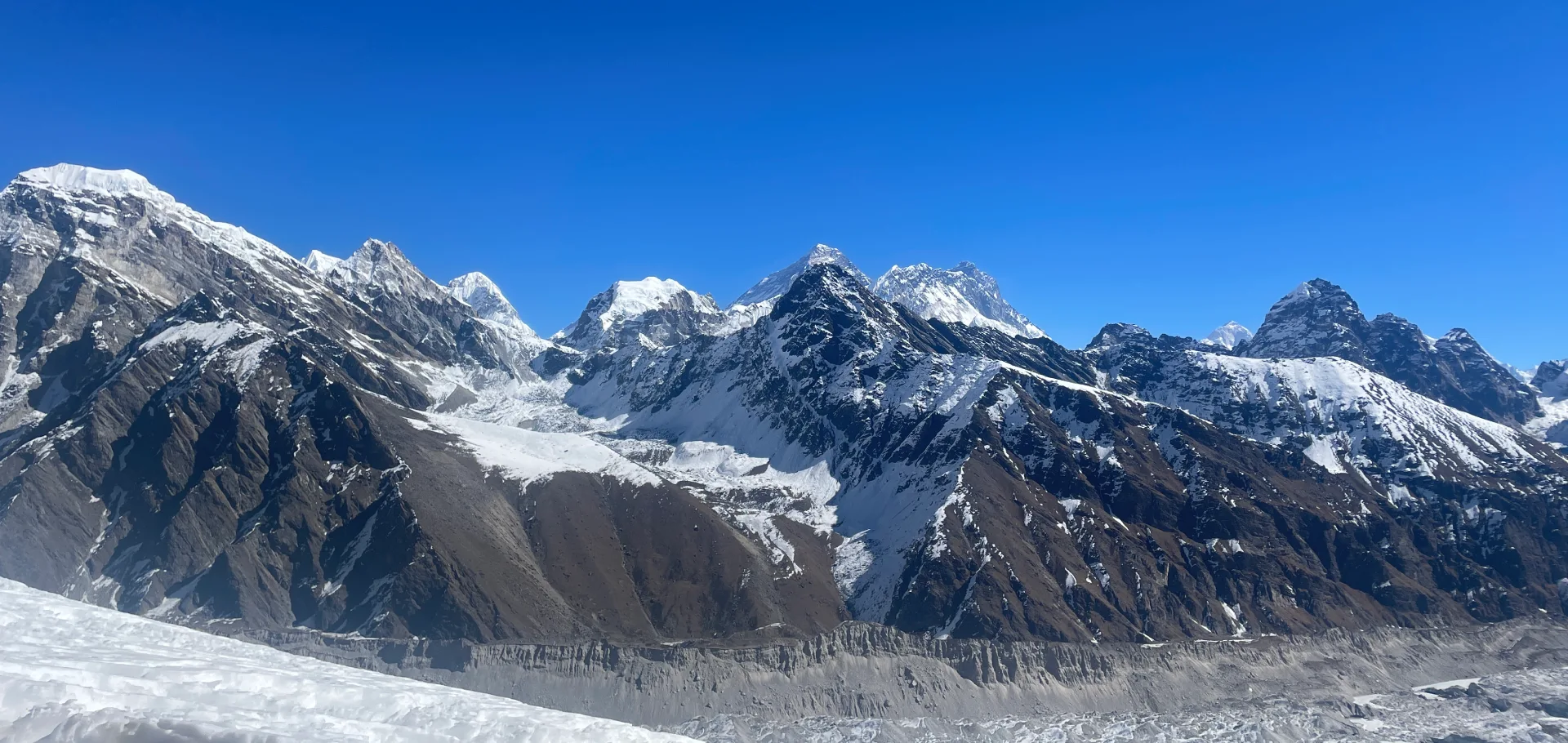
- Witness sunrise over Annapurna II, III, Gangapurna, Tilicho, and Dhaulagiri peaks.
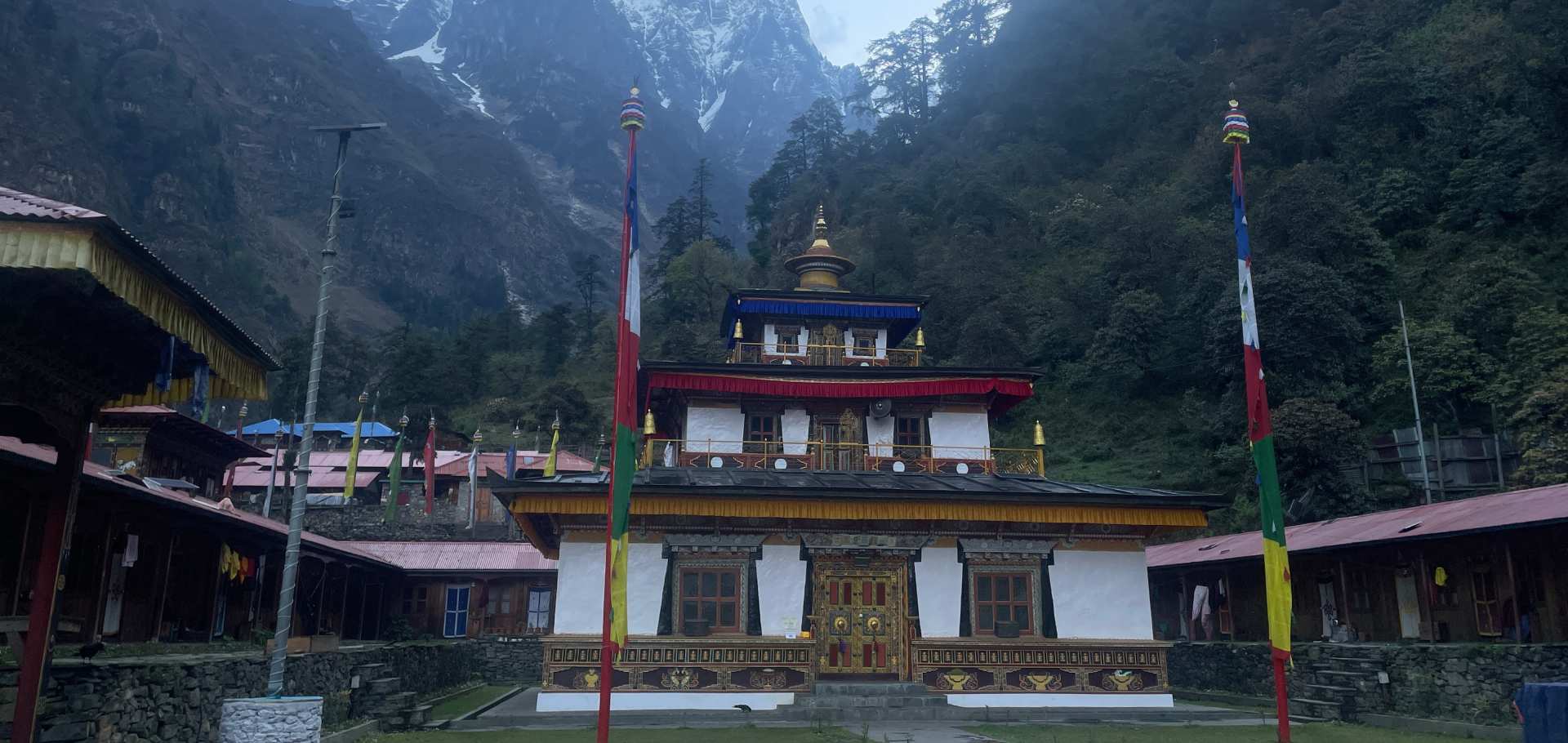
- Explore the spiritual sanctuary of Muktinath Temple, revered by both Hindus and Buddhists.
- A quick and relaxing break in the natural hot springs of Tatopani is a blissful reward for tired muscles.
- An opportunity to walk through diverse terrain with suspension bridges, apple orchards, and yak pastures.
- This is where trekkers can relax in the lap of nature, away from the chaos of urban settlements.
Annapurna Circuit Trek Overview
Annapurna Circuit Trek Permits
- Trekkers Information Management System (TIMS)
- Annapurna Conservation Area Permit (ACAP)
Why Choose Himalayan Ice Cap?
- Expert Local Guides: Trek with experienced guides who know every trail, story, and hidden viewpoint of the Annapurna region.
- Personalized Itineraries: Flexible itineraries crafted to balance adventure, acclimatization, and cultural immersion, tailored to your pace.
- Safety First: We prioritize your health with experienced staff trained in altitude management and 24/7 support on the trail.
- Quality Accommodation & Meals: Handpicked teahouses and nourishing meals ensure you’re well-rested and energized throughout the journey.
- Sustainable Tourism: We operate responsibly, supporting local communities and reducing environmental impact along the trekking routes.
- All-Inclusive Service: From permits and transport to guides and logistics, we handle the details so you can enjoy the adventure worry-free.
Best Seasons for Annapurna Circuit Trek
If you ask seasoned trekkers when the Annapurna Circuit feels most magical, the answer almost always comes down to spring and autumn. Lasting from March to May, the spring season paints the hillsides in fiery rhododendrons, and the air is filled with birdsong as you make your way through lush forests. You can expect comfortably warm days, accessible mountain passes, and clear views of the sky-touching peaks during this season.
Almost the same goes for Autumn as well, which falls between September to November. This season also serves as a showstopper for the Annapurna Circuit Trekking journey. With crisp air, crystal-clear horizons, and golden harvest fields, this season makes every step feel like walking through a postcard.
Other seasons
The Annapurna Circuit Trek can be done throughout the year, but the off-season requires a different mindset. Winter (December to February) brings quiet trails and a hushed beauty, but the Thorong La Pass can be treacherous with heavy snow. Monsoon (June to August) transforms the valleys into a lush, green paradise, yet leeches, rain, and clouded peaks test your patience.
If it's your first time trekking, we recommend you go for either the Autumn or Spring seasons, as these seasons can have the best conditions. However, if you look for some extra adventures and are a professional trekker, winter is just right.
How Difficult is the Annapurna Circuit Trek?
The Annapurna Circuit Trek sits as one of the challenging yet rewarding adventures in Nepal. This trekking route will not be just a casual walk in the park, but will also not be reserved for the elite climbers. Many of the trekking days involve 5–7 hours of trekking on varied terrain. The terrain can vary from stone steps winding through villages to rocky trails cutting across alpine meadows. As you reach the highest point, i.e., the Thorong La Pass (5416 meters), the air is thin, every step feels heavier, and your body needs time to adjust.
Physically, the trek is demanding, but also manageable if you prepare well. Let us tell you that you don't need to be a marathon runner to be able to go for the Annapurna Circuit Trek. Just going for regular cardio, strength training, and practice hikes with a loaded backpack goes a long way. Physical, along with mental preparation, can help you successfully and easily complete the trek in the Annapurna Circuit.
So, yes, the Annapurna Circuit Trekking journey is indeed challenging. However, with proper planning and preparation, anyone can go for this trek with as less difficulties as possible.
How to Prepare for the Annapurna Circuit Trek?
Preparation for the Annapurna Circuit Trek is very important, and you must also start it long before for better results. We recommend the trekkers to start preparing for almost a couple of months. Go for regular exercise, running, eat healthy, do not drink alcohol or smoke, and keep yourself as mentally peaceful as possible.
Here is how you can prepare yourself for the 13 Day Annapurna Circuit Trek:
- Train your body early: Build endurance with cardio (running, cycling, swimming) and strengthen legs and core for long walks.
- Practice with hikes: Do weekend hikes with a loaded backpack to simulate trek conditions.
- Break in your boots: Wear your trekking boots in advance to avoid painful blisters on the trail.
- Pack smart layers: Carry thermal wear, fleece, and a down jacket for warmth, plus quick-dry clothes for comfort.
- Bring essentials: Don’t forget water purification tablets, sunscreen, a first-aid kit, and a headlamp.
- Stay mentally prepared: Be flexible and patient; weather, trail, and altitude can change plans quickly.
- Plan acclimatization: Allow enough rest days to adapt to altitude and avoid AMS.
- Stay hydrated and fueled: Drink plenty of water and eat hearty meals for energy.
- Travel light but wise: Keep gear minimal but make sure you’ve got everything you truly need.
Facilities on the Annapurna Circuit Trek
While setting out on an adventurous journey like the Annapurna Circuit Trek, it's natural to wonder about the little things that make a big difference. Of course, everyone wants to know where they'll sleep, what they'll eat, how they'll stay connected, and what other facilities they can expect during the journey.
While this trek takes you through some of Nepal’s most remote and rugged landscapes, you’ll be surprised at the level of hospitality and facilities available along the trail. From teahouse meals that feel like home-cooked comfort food to small lodges with warm beds, the Himalayan Ice Cap team arranges the best of the trek for you.
Food and Accommodation
On the Annapurna Circuit, you’ll be staying in teahouses, basic but cozy lodges run by local families. Rooms are usually simple, with twin beds, blankets, and shared bathrooms. Higher up, facilities get more basic, so a sleeping bag is handy. Food is hearty and filling, and the menu mostly includes dal bhat (lentils, rice, and veg), noodles, soups, pancakes, and even apple pie in some villages. Besides, you can also expect carb-heavy meals to keep your energy up for the long trekking days.
Transportation
The trek usually starts with a drive from Kathmandu to Besisahar, and from there, jeeps take you up to Dharapani or further, depending on road conditions. At the end, you can take a jeep/bus from Muktinath or Jomsom down to Tatopani or Pokhara. From Pokhara, it’s either a 6–7 hour drive or a 25-minute flight back to Kathmandu. Transport is flexible and depends on the weather, road conditions, and your time frame.
Electricity & WiFi
The trekkers can also expect electricity in many villages throughout the Annapurna Circuit Trekking route. However, we tell you not to expect electricity 24/7, especially in higher altitudes. Besides, the hotel and tea houses also offer charging spots where you can charge your phone, cameras, or any other electric devices, while WiFi is available in popular stops like Manang, Pisang, and Muktinath.
Nevertheless, you can expect the connection to be slow and patchy. Besides, we also recommend that you obtain a local SIM (NCell or NTC), as you can also get data packs where WiFi is not available.
Other Facilities
Other than the above-mentioned facilities, the Annapurna Circuit Trekking route also has some other facilities like tea houses that sell snacks and health posts in different villages.
ATMs are rare after Besisahar, so carry enough cash for the trek. Hot showers are available in teahouses, but usually for an extra charge, and they may be solar-heated, meaning hot water isn’t always guaranteed. In bigger villages like Manang, you’ll also find bakeries, pharmacies, and even a clinic.
Annapurna Circuit Trek Packing List
Proper and smart packing can make every trekking journey full of adventure while ensuring safety and health. For the Annapurna Circuit trek, packing is all about striking a balance between being ready for both warm sunny days to freezing nights while also not overweighing your backpack.
Here are some of the most important things that you must pack for the Annapurna Circuit Trek:
Clothing
- Base layers: Moisture-wicking tops and thermals for warmth at night.
- Mid-layers: Fleece jacket or light down jacket for insulation.
- Outer layer: Waterproof/windproof jacket (essential for unpredictable weather).
- Trekking pants: lightweight, quick-dry, plus a warmer pair for higher altitudes.
- T-shirts: 3-4 breathable, moisture-wicking shirts.
- Warm hat & sun hat: One for the chilly mornings, one for sunny days.
- Gloves: Thermal gloves (essential above 3,500m).
- Buff/neck gaiter: Useful for dust, wind, and cold.
- Undergarments & socks: Several pairs of trekking socks, including warm woollen ones for nights.
Footwear
- Hiking boots: Sturdy, waterproof, and broken-in before the trek.
- Camp shoes/slippers: Something light and comfy for evenings.
- Gaiters (optional): Handy if trekking in snowy or muddy conditions.
Gear & Accessories
- Backpack (35–50L): Comfortable with a good hip belt if you’re carrying your own gear.
- Daypack (20–30L): For daily essentials if you have a porter.
- Sleeping bag (-10°C to -15°C rating): Teahouses provide blankets, but it gets freezing higher up.
- Trekking poles: Reduce strain on knees, especially during long descents.
- Headlamp: Crucial for early starts and power outages.
- Water bottles (2L total capacity): Wide-mouthed or hydration bladder.
- Water purification tablets/filter: Safer and cheaper than buying bottled water.
Toiletries & Health
- Toothbrush, toothpaste, biodegradable soap, shampoo, and wet wipes.
- Sunscreen (SPF 30+), lip balm with SPF, and hand sanitiser.
- Quick-dry towel.
- Toilet paper (carry your own-rarely provided).
- Personal first aid kit: blister plasters, Diamox (for altitude), painkillers, and any personal meds.
Electronics
- Power bank (10,000-20,000 mAh recommended).
- Camera/GoPro with extra batteries.
- Local SIM card with data pack (NCELL or NTC).
- Plug adapter (Nepal uses Type C/D/M plugs).
Essentials
- Cash (Nepali Rupees): ATMs are rare after Besisahar. Carry enough for food, accommodation, and extras.
- Passport & permits: TIMS card and Annapurna Conservation Area Permit (ACAP).
- Travel insurance (must cover trekking above 5,000m).
- Copies of important documents.
Extras (Optional but Nice-to-Have)
- Trekking snacks (nuts, energy bars, chocolate, cheaper if bought in Kathmandu).
- Journal/Kindle for downtime.
- Playing cards or small games for teahouse evenings.
- Lightweight packable down jacket for extra warmth.
Book the Annapurna Circuit Trek with Himalayan Ice Cap!
Get ready to go on this outstandingly adventurous trekking journey in the Annapurna Circuit? With Himalayan Ice Cap, you’ll enjoy expert guidance, seamless logistics, and the perfect balance of challenge and comfort, so all you need to focus on is the journey itself. So, don't wait! Book your Annapurna Circuit Trek with Himalayan Ice Cap today and turn your Himalayan dream into reality!
If you have any queries or questions, you can also contact us via WhatsApp or connect with us on social media. Moreover, you can also send your queries to info@himalayanicecap.com or call us at +977-9861834427.
Itinerary
Welcome to Nepal, the land of the Himalayas! As you land in the Tribhuwan International Airport (Kathmandu), the local representatives from Himalayan Ice Cap receive you and drive you to the hotel in Thamel. After some rest, you’ll join a cultural welcome dinner featuring live Nepali music and traditional dances, a perfect introduction to Himalayan hospitality.
However, before that, we recommend you stroll around the nearby areas, check out the bars, hotels, or even go to spas and massages. Let us tell you that Kathmandu sits as a sensory feast with temples glowing under oil lamps and the smell of incense covering the air. Our team also arranges an overnight stay in Kathmandu before we begin the journey the next day.
After having a fulfilling breakfast in the hotel, our representatives take you for an adventurous drive towards Besisahar. It takes about 6 to 7 hours for us to reach Besisahar via a shared bus. The route from Kathmandu to Besisahar goes along the mighty Trishuli River and through rolling green hills. Besides, this drive also reveals Nepal’s countryside at its finest: terraced farms, hanging suspension bridges, and villages perched on ridges.
From Besisahar, we will change the vehicle and get into a shared jeep. Why so? Well, because the route from Besisahar to Dharapani will be bumpy yet thrilling and adventurous. Besides, we will also be going deeper into the Annapurna region. Overnight stay, and dinner will be arranged by the Himalayan Ice Cap team in Dharapani
On the third day, we officially begin the walk on the Annapurna Circuit Trek. Today's trekking trail takes us to an altitude of 2710 meters above sea level, which requires us to walk for about 5 to 6 hours. As we leave Dharapani, the trail passes through pine and fir forests, with rhododendrons bursting into bloom during spring, following the Marsyangdi River upstream. In addition, we will also visit some beautiful villages like Bagarchhap and Danaque, where Tibetan-influenced architecture and spinning prayer wheels reveal the cultural richness of the region.
As we arrive in Chame, the district headquarters of Manang, the village greets us with breathtaking views of Lamjung Himal and Annapurna II. Besides, the village also sits in a wide valley surrounded by forests and cliffs. Moreover, here, the trekkers can take a moment to soothe their tired muscles in the natural hot springs. Chame’s mix of teahouses, shops, and mountain hospitality makes it both welcoming and scenic. Therefore, this is a perfect place to relax over
With increasing altitude, we can sense an increase in adventures and experience. This section of the Annapurna Circuit Trekking map takes us into the dense pine forests, across suspension bridges. Furthermore, the trail also gradually leads along dramatic cliffs, slowly opening into the stunning valleys. Besides, we can also sense the crisp air sharpening as we gain altitude and walk for about 5 to 6 hours.
In a few hours, we ascend all the way to an altitude of 3300 meters above sea level, leaving behind the thick forests for alpine meadows. Furthermore, we can also witness prayer wheels and mani stones covering the trail. By the afternoon, we will make our way to Pisang, a beautiful village located at an altitude of 3300 meters. This village splits into Upper and Lower Pisang, and both offer dazzling views of Annapurna II, III, and Pisang Peak glowing in the evening light.
Today counts as one of the most awaited days in the entire Annapurna Circuit Trekking journey. Why so? Well, because today is the day when we make our way to Manang, a high-altitude village surrounded by glacial lakes, hanging cliffs, and majestic snow peaks. It takes an average trekker about 5 to 7 hours to cover this stretch that follows the lower route through forests and meadows or the higher route via Ghyaru and Ngawal.
Besides, the trekkers will also be offered majestic views of some snow-covered peaks, including Annapurna II, IV, and Gangapurna. Not just that, walking past ancient mani walls and centuries-old villages also makes you feel the timeless rhythm of life in the Himalayas.
Manang is a jewel of the circuit, a high-altitude village surrounded by glacial lakes, hanging cliffs, and majestic snow peaks. Its Tibetan-style houses, monasteries, and bakeries give it a unique character. Here, you’ll notice the altitude in the thin air, but the stunning landscapes and rich culture keep your spirit soaring.
There are two reasons for us to arrange this acclimatization day in the Annapurna Circuit Trek: to rest before ascending further and to properly explore Manang. After having breakfast in Manang, your guides will take you on a quick hike to Gangapurna Lake, or we can also visit the ancient Braga Monastery. Both of these places offer peace and an experience of their own.
After returning from the hikes, you can explore around Manang. Let us tell you that Manang is one of the most fascinating villages for visitors, with bakeries serving apple pie to locals sharing mountain tales. Along with that, we also get a chance to spend a majestic evening with panoramic views of the surrounding Himalayas. Overnight stay, and dinner will be served in the same hotel where they were arranged for the previous night.
Now that we have reached an altitude of 3500 meters, trekkers must be cautious about the risks of altitude sickness. However, don't get yourself tensed because the trail has a lot more to offer. As we leave Manang, the trail gradually climbs through alpine meadows and juniper scrublands, with yaks grazing peacefully along the way. Remember that we only have to walk for about 4 to 5 hours today, but the high altitude makes it more adventurous than the lower trails.
Yak Kharka, a small settlement at an altitude of 4050 meters above sea level, includes stone-built teahouses, grazing fields, and crisp mountain air. Due to all these factors, Yak Kharka sits as an ideal acclimatization stop. So, the Himalayan Ice Cap team will arrange dinner and an overnight stay in this village before we ascend further.
Another day in the Annapurna Circuit Trekking trail, and we will be walking on rocky terrain. Besides, this high altitude terrain also slowly takes us towards thin vegetation and dramatic rock formations. It takes us about 4 to 5 hours to cover the trail between Yak Kharka and Thorang Phedi. However, you will have so much to experience, like crossing small bridges & icy streams, along with prayer flags decorating the route.
Thorong Phedi sits as one of the most significant landmarks of the entire Annapurna Circuit Trek because we spend one night here before making the final ascent to the Thorong La Pass. Talking about the Thorong Phedi, sheer ridges and snow cover, this settlement is where the atmosphere is intense but exhilarating. The Himalayan Ice Cap team will arrange dinner and an overnight stay for the trekkers.
Wake up a bit early today because we have a pretty long and difficult trail to cover. Today's walk starts before sunrise, so we will walk in the darkness of the dawn with stars and headlights showing us the way. Within about 4 to 5 hours of an early morning hike, we will find ourselves on the top of the Thorong La Pass (5416 meters). As you reach here, just look around you and let the pass present you with some mesmerizing views of endless white peaks.
After spending some quality moments, creating memories, and capturing photos & videos on the Thorong La Pass, the Sherpa guides take you for a descent towards Muktinath. Let us also tell you that the trail from Thorong La Pass to Muktinath will be steep but scenic. Also, we can witness the vegetation and settlements increasing significantly as we descend lower and lower. It takes us about 3 to 4 hours for us to reach Muktinath, a sacred site for both Hindus and Buddhists.
As you walk on the stairs leading to the temple, our representatives will provide you with some deep insights about the temple and its history. The holy temples, eternal flame, and flowing waters create a deeply spiritual energy, making this day unforgettable in every sense.
After walking on the Annapurna Circuit Trekking trail for so many days, it's finally our time to return. So, after having breakfast in the hotel, our representatives will take you on a drive from Muktinath to Tatopani through the Beni-Jomsom Highway alongside the Kali Gandaki gorge. For your information, the Kali Gandaki Gorge, situated between two 8000ers (Dhaulagiri and Annapurna), is the deepest in the world.
On our way to Tatopani, we will also pass through multiple Thakali villages, apple orchards, and barren cliffs, resulting in a scenic and something one must experience. In Tatopani, we recommend the trekkers to go for an evening dip in the warm pools to melt away days of fatigue. Also, the village offers amazing local hospitality, stunning riverside views, and a sense of relaxation after such a long journey.
From Tatopani, we head towards Pokhara after a fulfilling breakfast. This drive takes about 4 to 5 hours to complete while passing through terraced rice fields, lush hillsides, and charming villages perched above rushing rivers. As we approach closer to Pokhara, the landscapes soften, and the high peaks slowly fade into the distance, replaced by fertile valleys and green forests.
As we reach Pokhara and the guides drop you at the hotel, you can take your time to freshen up before strolling around the Phewa Lakeside. Walk through different streets, try different cuisines and delicacies in different hotels, cafes, and restaurants throughout the lakeside. In the evening, you can return to the hotel for an overnight stay.
It's the second last day of the 13 Day Annapurna Circuit Trek with Himalayan Ice Cap. After having a fulfilling breakfast, our representatives will take you for a drive towards Kathmandu. However, if you have booked a flight, the representatives will take you to the airport as per your flight schedule.
In Kathmandu, we, the Himalayan Ice Cap team, will invite you for a farewell dinner with a celebration program. Moreover, we also provide you with a certificate of accomplishment for completing the 13 Day Annapurna Circuit Trekking package.
Finally, we have come to the end of the Annapurna Circuit Trek. After spending a relaxing night in the three-star level hotel in Kathmandu and having a delicious, fulfilling breakfast, you will be driven to the airport, and our guides will also bid a final farewell before you take the flight back to your home country.
Cost Include
- Private transfer to and from Kathmandu Airport and your hotel.
- Local bus from Kathmandu to Besisahar.
- From Muktinath to Tatopani (Hot Spring) by local transport.
- Pokhara to Kathmandu by a tourist bus.
- Meals During the Trek – 3 Times (Breakfast, Lunch, and Dinner).
- One night hotel in Pokhara.
- Fresh seasonal fruits, daily during the trek.
- ACAP (Annapurna Conservation Area Permit).
- Trekkers Information Management Systems (TIMS) card.
Cost Exclude
- International Flight
- All the accommodation in Kathmandu before and after the trip.
- All food in Kathmandu, before (and after) the expedition.
- Lunch and dinner in Pokhara.
- Evening meals when you stay in Kathmandu and Pokhara.
- Travel Insurance
- Personal expenses – shopping, drinks, snacks, hot (tea, coffee, etc.), cold drinks, laundry, phone call, wake-up call, and WiFi with extra charges, battery charges, extra porters, shower, etc.
- Personal clothing and gear.
FAQ

Anil Tamang
Tour Manager