
Top Highlights

Trip Duration
12

Max Altitute
3800m

Best Season
Sep, Oct, Nob, Mar, Apri, and May

Trip Grade
easy

Group Size
2-20

Trek start-Ending place
KTM- Machhakhola

Meal
B. L. D

Region
Manaslu Region
Overview
Tsum Valley Trek Overview
13 Days Tsum Valley Trek Highlights
- A 13-day trek to Tsum Valley is considered the Hidden Valley of Happiness.
- Start with a scenic drive from the urban surroundings of Kathmandu to the remote settlement of Machha Khola, the starting point of the Tsum Valley Trek.
- Trek to Jagat, picture the Gurung village along with other different villages like Lokpa, Chumling, Nile, and Mu Gompa.
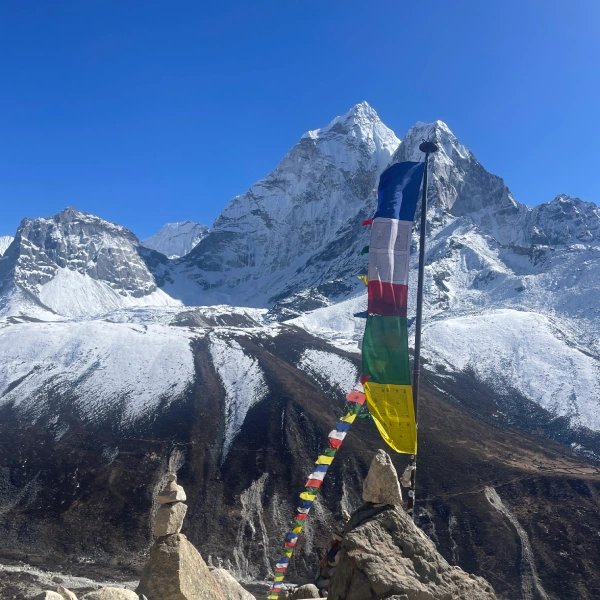
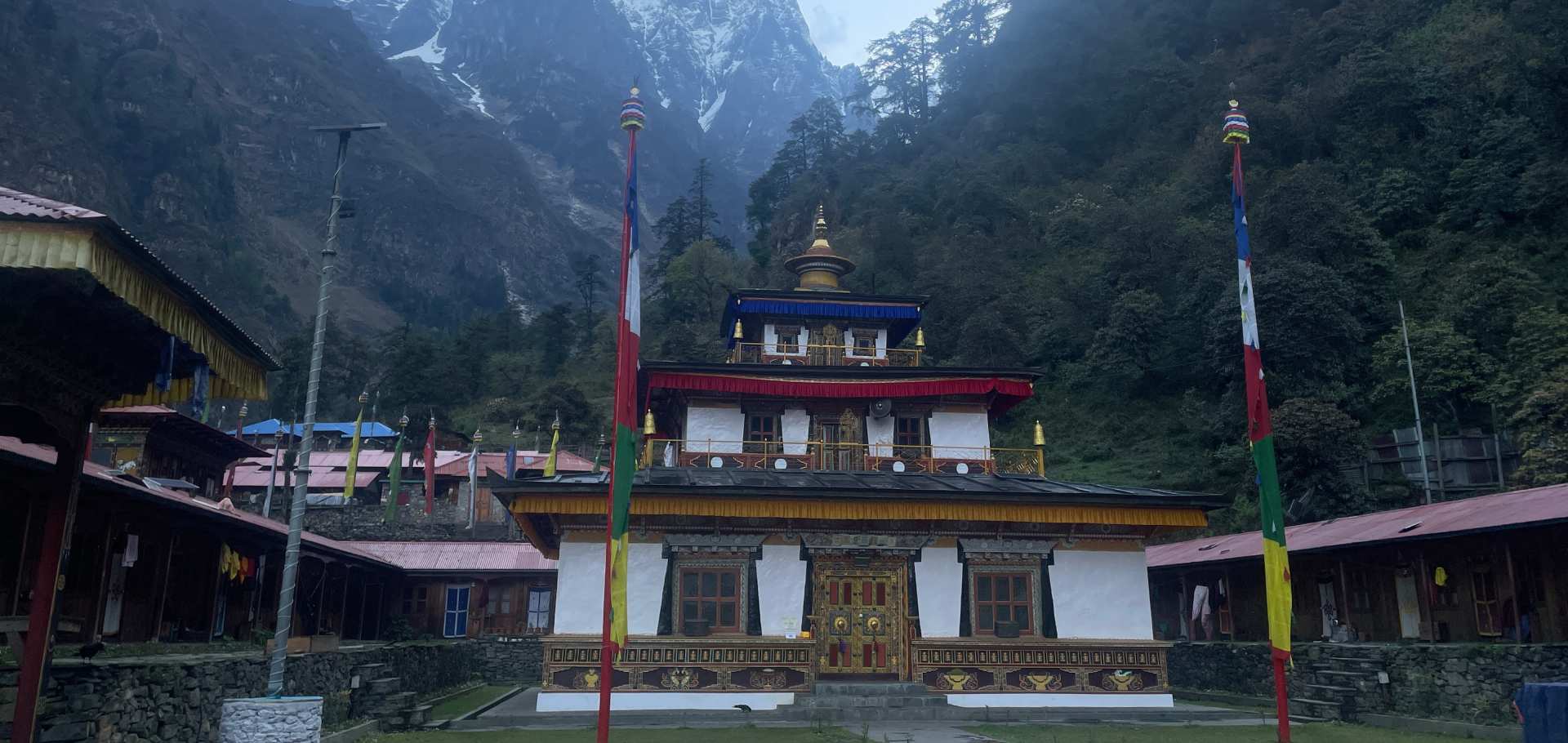
- Delve deep into the high-altitude settlements where ancient monasteries and prayer flags evoke the spirit of Tibetan Buddhism.
- Hike to two of the sacred monasteries of the Tsum Valley region, Mu Gompa (3,700 meters) and Dhephyudonma Gompa (4,060 meters).
- Chances to witness several alpine fauna, including yaks, blue sheep, and vibrant Himalayan flora.
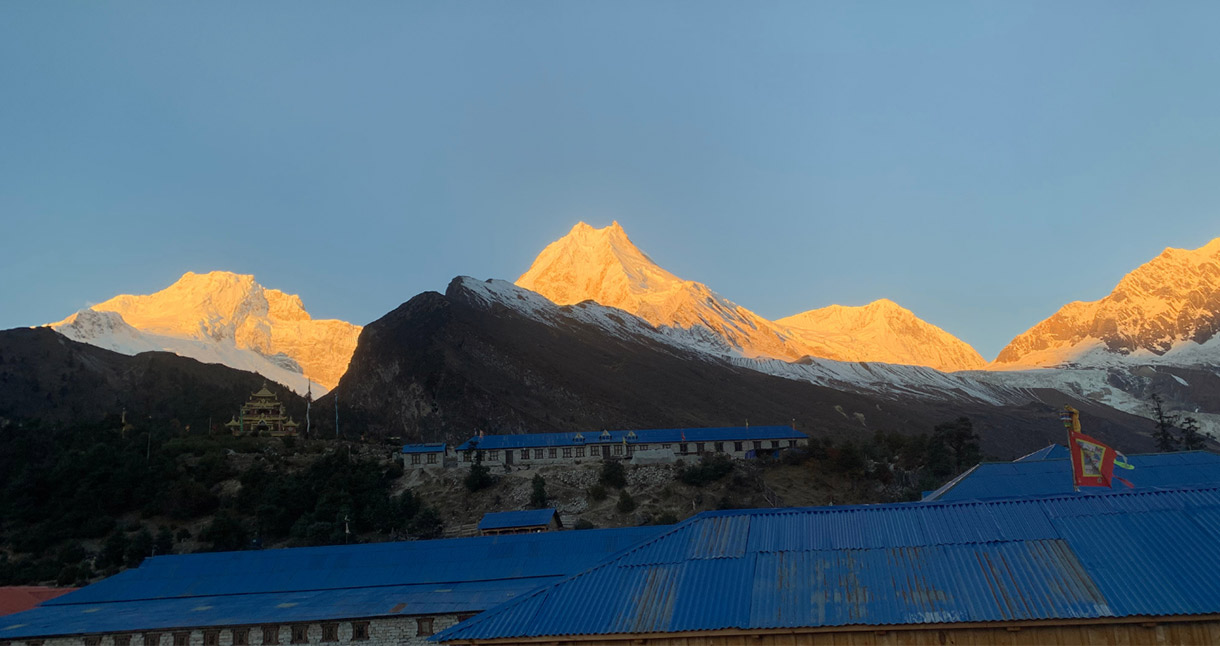
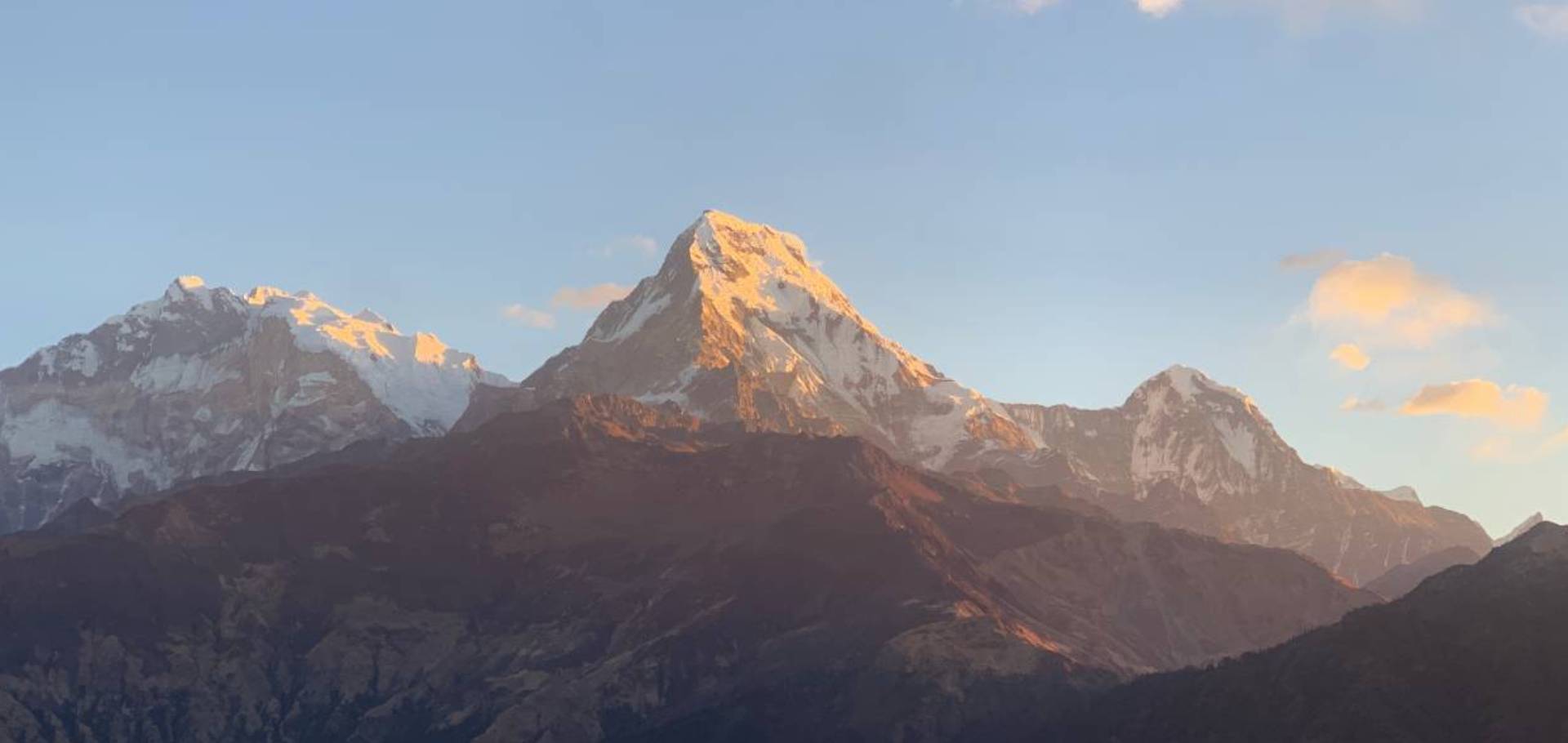
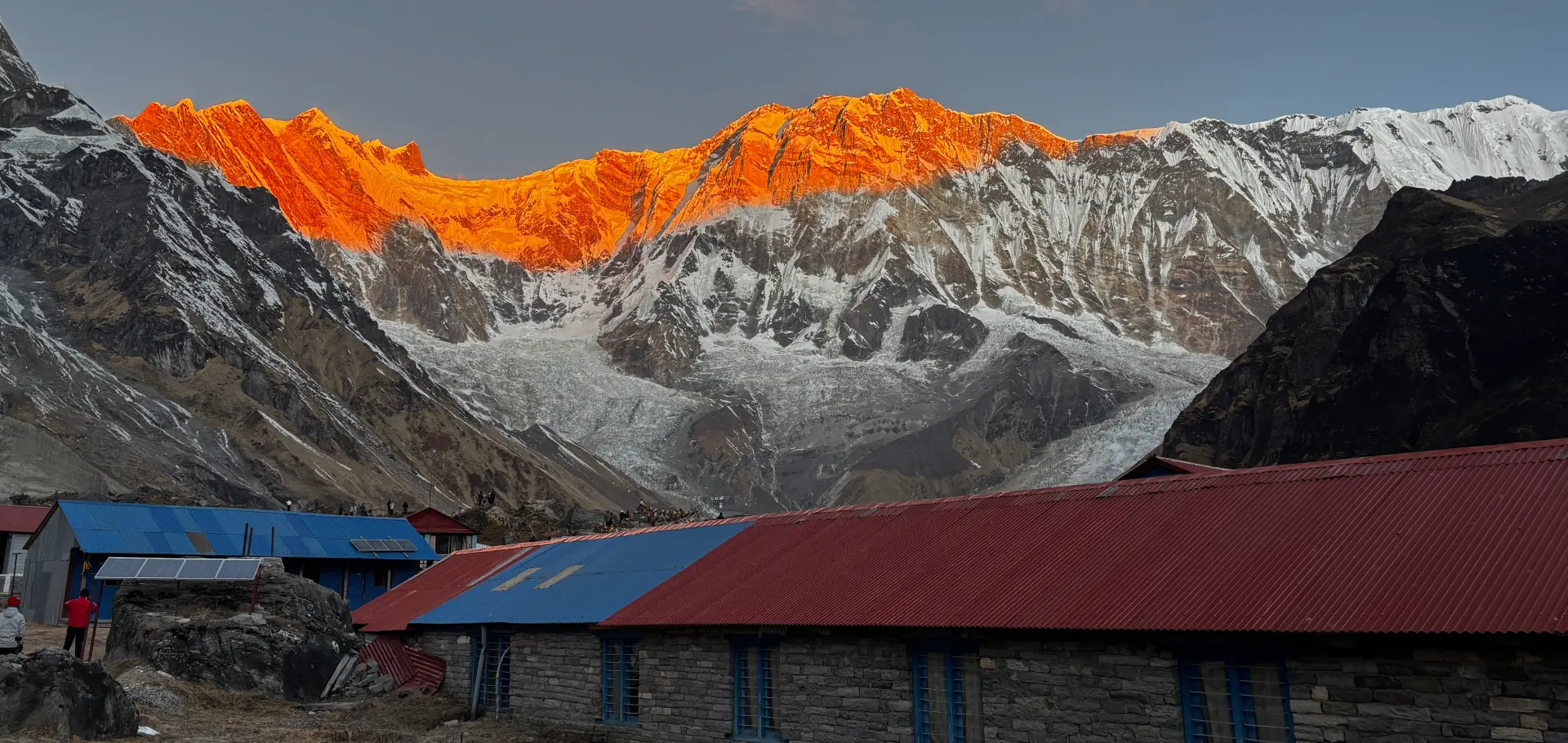
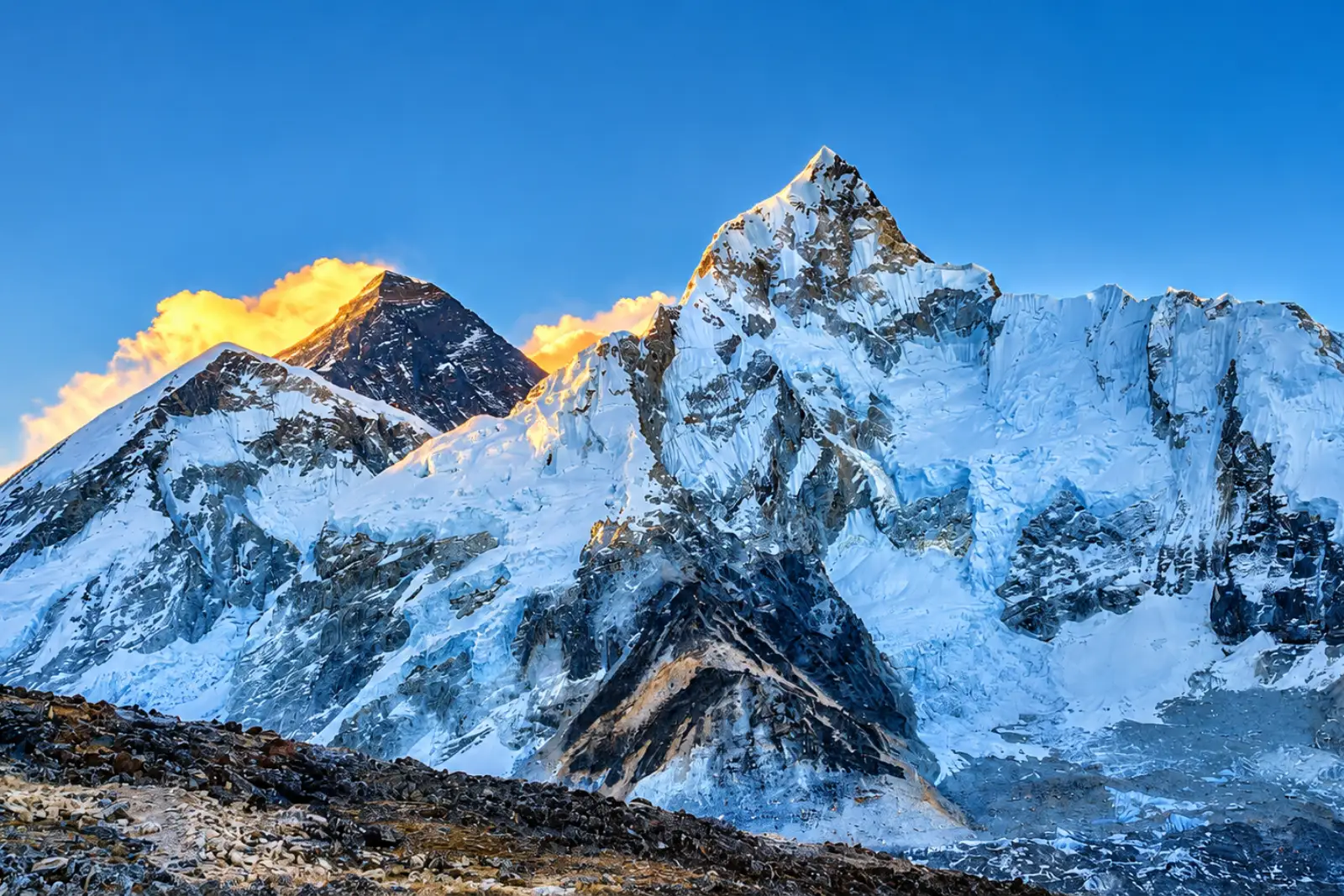
- Get scenic and closer panoramics of different mountains, such as Mount Manaslu, Ganesh Himal, Himalchuli, and Sringi Himal.
- Interact with locals from different cultures and ethnic groups, including Brahmin, Chhetri, Tamang, Magar, Tibetan, and Gurung.
Why the Himalayan Ice Cap?
Choosing the right trekking company can make or break your Himalayan experience. At Himalayan Ice Cap, we specialise in curated, safe, and deeply immersive trekking adventures across Nepal’s most breathtaking regions, including the remote and majestic Tsum Valley Trek. With a focus on professionalism, personalisation, and high-altitude care, we ensure that every trekker enjoys the journey as much as the destination.
Here's why the Himalayan Ice Cap stands out:
- The Tsum Valley Trek with Himalayan Ice Cap is led by professional, seasoned, and government-certified Sherpa guides.
- Both our in-house and guiding teams possess fluent spoken English. Therefore, you can expect us to properly arrange the entire trek and also help you interact with the locals in the trekking region.
- We adjust pace, acclimatisation, and support based on your fitness and comfort. With that, the Himalayan Ice Camp ensures a personalized and rewarding journey in the Tsum Valley.
- Himalayan Ice Cap also offers transparent pricing, which means that you see what you pay. Besides, the package cost also includes permits, meals, accommodation, guides, and logistics.
- The Himalayan Ice Cap also arranges comfortable and hygienic food and accommodation during the Tsum Valley Trekking package.
- In case of altitude sickness or physical discomfort, we implement a clear safety protocol, including emergency evacuation plans. We prioritise health above all else.
- We promote responsible tourism, supporting local communities and minimising our environmental footprint throughout every trek.
- Beyond the Manaslu Circuit, we also operate treks to Everest Base Camp, Annapurna Base Camp, Langtang Valley, Tsum Valley, and off-the-beaten-path routes across Nepal.
- Our team also provides 24/7 Assistance and Pre-Trek Preparation immediately from the moment you inquire until our return from the trip.
Permits for Tsum Valley Trek
Before you make your way to the Tsum Valley Trekking trail, you must be aware enough to obtain the following permits:
- Manaslu Conservation Area Permit (MCAP)
- Trekkers' Information Management System (TIMS) Card
The good news? When you book your adventure with Himalayan Ice Cap, we handle all the paperwork for you. Furthermore, we make sure to hand you the permits as soon as you reach Kathmandu for the 13-day Tsum Valley Trekking package.
Best Season for Tsum Valley Trek
The spring season (March to May) and the Autumn season (September to November) sit undefeatably as the best seasons for the Tsum Valley trek, like any other in Nepal. During these months, you’ll enjoy stable weather, clear mountain views, and pleasant daytime temperatures. If you have ever trekked before, you might know that these are the ideal conditions for high-altitude trekking. Besides, the trekkers can also expect a vibrant trail with blooming rhododendrons in spring and golden fields in autumn.
We do not recommend that beginners trek during the winter season (December to February), even though it's possible. Well, that's because this season does not guarantee ideal conditions for trekking, especially at higher altitudes, like Mu Gompa and Dhephyudonma Gompa. Moreover, the chances of snow also significantly increase during the winter season, making the trail slippery and keeping the scenarios hidden. Summer (June to August), on the other hand, brings monsoon rains that can make trails slippery and obscure mountain views. Therefore, if you aim for the best experience with the Tsum Valley Trekking package, choosing Spring or Autumn seasons is probably the perfect thing to do.
Tsum Valley Trek Difficulty Level
The Tsum Valley Trek is a rewarding journey into one of Nepal’s most secluded Himalayan valleys. However, it does come with its share of physical and logistical challenges. Though the trail doesn’t involve technical climbing, it does require solid stamina, mental resilience, and preparation. Remember that you will have to walk for an average of 5-6 hours almost every day, which continues to a maximum altitude of 4060 meters above sea level. Furthermore, the remote nature of the trail and isolated areas also add to potential factors of difficulty during the Tsum Valley Trekking journey.
Besides, here are a few more factors that contribute to the Tsum Valley Trek's difficulty level:
- Altitude gain: The trek involves gradual ascents to elevations beyond 3,500m, which can affect your pace and energy levels.
- Remote terrain: Expect rugged paths, river crossings, and less-maintained trails in comparison to commercial trekking routes.
- Daily trekking duration: Days often involve 5–7 hours of walking, which requires endurance and consistency.
- Limited facilities: Teahouse accommodations are basic, with minimal comforts, especially in higher or more remote areas.
- Weather challenges: Sudden weather changes, especially in shoulder seasons, can make the trek more demanding.
- Acclimatization needs: Rest days and a slow trekking pace are essential to help your body adjust to the altitude.
- Physical fitness: Pre-trek training focusing on cardio, strength, and stamina will greatly enhance your comfort and experience on the trail.
Preparation for Tsum Valley Trek
Trekking through the remote and sacred landscapes of the Tsum Valley is both physically rewarding and spiritually uplifting. However, with perfect opportunities come some hard work to do as well. Unlike commercial trekking routes, this journey leads you through less-developed areas with basic infrastructure, unpredictable weather, and extended walking days. Therefore, the trekkers need to be both physically and mentally prepared.
Follow these steps to be perfectly prepared for the 13-Day Tsum Valley Trek:
- Start training 6-8 weeks in advance with cardio-focused activities like hiking, swimming, running, or cycling to build endurance.
- Incorporate hill or stair climbing and weighted backpack walks to simulate actual trekking conditions.
- Strengthen your core and legs, as they play a key role in balance and stamina on rugged, uneven terrain.
- Break in your trekking boots ahead of time to avoid blisters and discomfort on the trail.
- Learn about altitude sickness (AMS), including early warning signs and prevention techniques like proper hydration and pacing.
- Plan for layering and proper gear, as temperatures can fluctuate significantly throughout the day.
- Practice mental resilience and flexibility, as trails can be unpredictable and basic amenities may challenge your comfort zone.
- Consult your doctor if needed, especially if you have pre-existing health conditions or are unsure about altitude tolerance.
Tsum Valley Trek Packing Tips
Packing smart is essential for the remote and rugged Tsum Valley Trek, where access to supplies is limited and the terrain demands dependable gear. Weather conditions can vary widely, with chilly mornings, warm afternoons, and cold nights. Therefore, the trekkers must pack very smartly before heading out on the Tsum Valley Trek:
Clothing
- Moisture-wicking base layers (2-3 sets)
- Insulated jacket (down or synthetic)
- Fleece or softshell jacket
- Waterproof and windproof outer shell (jacket and pants)
- Trekking pants (2-3 pairs)
- Thermal underwear (2 sets)
- Lightweight T-shirts (2-3)
- Warm hat/beanie and sun hat
- Buff or neck gaiter
- Gloves (inner liner and insulated outer gloves)
- Wool or synthetic trekking socks (4-5 pairs)
- Comfortable trekking boots
- Camp shoes or sandals for evenings
Personal Items & Toiletries
- Quick-dry towel
- Biodegradable soap and shampoo
- Toothbrush, toothpaste, floss
- Sunscreen (SPF 50+) and lip balm
- Wet wipes and hand sanitiser
- Nail clippers and a small mirror
- Toilet paper (carry your supply)
- Feminine hygiene products (if applicable)
First Aid & Health
- Personal medications
- Altitude sickness tablets (e.g., Diamox)
- Pain relievers (paracetamol, ibuprofen)
- Antiseptic cream and band-aids
- Blister treatment (e.g., Compeed)
- ORS packets (oral rehydration salts)
- Insect repellent and foot powder
Electronics & Documents
- Headlamp with extra batteries
- Power bank (10,000mAh or higher)
- A camera or a smartphone for photos
- Travel adapters and charging cables
- Trekking permits and passport photocopies
- Passport-sized photos (for permits)
- Insurance details covering high-altitude trekking
- Notebook and pen (optional but handy)
Book the Tsum Valley Trek Right Away!
Are you ready to go for one of the most spiritually enriching and untouched trekking destinations in Nepal? With the Himalayan Ice Cap, booking the Tsum Valley Trek is easy, safe, and fully supported. Our experienced guides, transparent pricing, and personalised service ensure you’ll enjoy an unforgettable adventure that blends culture, scenery, and solitude.
Don't wait much, just book the package with the Himalayan Ice Cap and involve yourself in one of the most adventurous and adrenaline-rushing journeys in the Himalayan region. No matter if you are a seasoned trekker or a first-time explorer, the 13-Day Tsum Valley Trek package has everything to keep you engaged, amazed, and excited throughout. In addition to that, booking the package with us ensures safety, proper arrangements, and an insightful experience.
Itinerary
The Tsum Valley Trekking package with the Himalayan Ice Cap begins as soon as you land in the Tribhuvan International Airport, Kathmandu. From there, our local representatives pick you up and drive you to the hotel. At the hotel, the staff welcome you once again with a refreshing drink. Take your time to rest for a while before strolling around the city. Besides, we also recommend you to explore the nearby streets of Thamel, famous for its shops, cafes, and local culture.
After a good relaxation in Thamel, you can return to the hotel, where we will serve you with a delicious welcome dinner. That's how the day ends because after that, you can go for a cozy and comfortable sleep in the hotel.
After an early breakfast, we set off on a drive from Kathmandu to Machha Khola, which takes about 6 to 7 hours. This drive takes us through Nepal’s countryside, which is filled with lush terraced fields, winding river valleys, and views of the Ganesh and Langtang Himalayan ranges. As we continue the drive towards Maccha Khola, we can notice the road transitioning from smooth tarmac to rugged dirt paths. That is when we, the trekkers, start getting glimpses of the wild and untouched side of Nepal.
Talking about Machha Khola, this village sits on the banks of the Budhi Gandaki river, marking the beginning of the Tsum Valley Trekking map. Besides, you can also notice some verdant hills surrounding the village. Dinner and overnight stay will be organized by the Himalayan Ice Cap team in Machha Khola before we advance further on the trail.
On the third day, the trail begins with a gentle climb along the Budi Gandaki River, passing through small settlements like Khorla Besi and Tatopani. Moreover, this section of the Tsum Valley Trekking trail also takes the trekkers across several suspension bridges, arrow ridges, and dramatic river gorges carved over centuries. As we ascend further on the map, the trail starts offering a balance of uphill and downhill segments through dense forests, bamboo groves, and rocky trails. Not to forget, you might also witness some playful langurs and colorful birds that inhabit the region.
It takes about 5 to 6 hours for us to reach Jagat, a culturally rich Gurung village. Besides, this village is also known for its traditional stone houses, intricately carved mani walls, and a local checkpoint for trekking permits. Also, you can notice that the village sits on a rocky slope, offering expansive views of the surrounding valley. Well, that's not it! In Jagat, the influence of Tibetan Buddhism significantly increases, showcasing the unique cultural blend of Nepal’s mid-hills.
As usual, we began today's walk after having a delicious breakfast in the hotel. As we leave Lokpa, the trail descends briefly before climbing through dense forested ridges. In this section of the trail, the trekkers can expect a mix of stone stairways, wooded paths, and a few river crossings on suspension bridges. Furthermore, as we move our legs, you will get the first sighting of Shringi Himal, marking your entrance into one of Nepal's most remote and sacred regions.
We will reach Chumling within about 4 to 5 hours of walking from Lokpa through this exciting and adventurous trail. This village, located at an altitude of 2,384 meters above sea level, is famous for its authentic Tibetan Buddhist culture. Besides, the trekkers can also witness this village having stone houses, fluttering prayer flags, and ancient monasteries. All these offer the trekkers a feeling of stepping back in time. Enjoy your evening interacting with the locals with panoramic views of Ganesh Himal. Besides, we also recommend that the trekkers visit the Chumling monastery if they have time.
Today’s trek brings you deeper into the heart of the Tsum Valley. The trail crosses the Syar Khola (river) and gradually ascends through forested hills, mani walls, and ancient Buddhist shrines. As you climb higher, the landscape opens up, revealing vast alpine meadows, yak pastures, and wide river valleys. Furthermore, from this part of the Tsum Valley Trek, we can expect the air to get thinner and the Tibetan influence to get stronger.
Within the next 5 to 6 hours of the day, we will be in Chhokang Paro, a twin village located at 3,010 meters above sea level. With its slate-roofed homes and traditional lifestyle, this settlement is often considered one of the cultural highlights of the Tsum Valley Trek. Besides, the locals of this village are also famous for their hospitality and devotion to Buddhism. As a whole, the Chhokang Paro stands as a perfect place for us to rest before ascending further on the Tsum Valley Trekking route.
Today’s trek is a gentle yet rewarding walk deeper into the upper Tsum Valley. The trail climbs gradually along the Syar Khola, passing through fertile fields, chortens, and long mani walls etched with Buddhist prayers. Besides, we also get chances to walk through the picturesque villages of Lamagaon, Rachen Gompa, and Pangdun. Let us tell you that all of these villages showcase unique elements of Tibetan Buddhist life. So, the trekkers also get amazing opportunities to delve deep into the cultural and religious aspects of the villages.
Within the next 4 to 5 hours of walking, we will reach Nile village, which is reached after the landscapes become increasingly stark and remote, with snowy ridges. Chhokang Paro, a village located at an altitude of 3,361 meters above sea level, sits as the last village before the Tibetan border. Besides, this settlement is located in a wide, windswept valley surrounded by snow-capped peaks. Here, we can expect simple teahouse accommodations and a deeply spiritual atmosphere despite its isolation. Before dinner and overnight stay, we recommend that the trekkers explore the village and interact with the locals.
On the eighth day, we ascended to the highest altitude of the entire Tsum Valley Trekking map. After an early breakfast, the guides lead you on a hike to Mu Gompa (3,700 meters), and we also visit the Dhephyudonma Gompa (4,060 meters). Both of these points offer amazing scenes of the mountains around. Besides, we can also notice the monks in crimson robes offering prayers amidst walls lined with scriptures. After spending time in these spiritual havens, you’ll return to the Nile for a well-earned rest.
The day is not only a physical challenge but also a profound cultural and spiritual experience. After you descend back to the Nile, the rest of the time is all yours. You can explore the village, interact with the locals, and enjoy amazing sunset views behind the mountains.
From the ninth day, we begin a descending journey which starts with a walk from the Nile to Chumling. This section of the trail gradually retraces its path through the charming villages of Chhokang Paro to Chumling. We can also expect a comparatively easier walk as the journey is mostly descending. However, let us tell you something, you must have very strong legs even while descending. Along the way, you’ll revisit familiar mani walls, chortens, and monasteries that now feel more personal, having connected with the stories and people behind them.
Within about 5 to 6 hours of walking, we finally reached Chumling, once again. Surrounded by green hills and backed by views of Ganesh Himal, it serves as a lovely stop for reflection. Another evening to relax and share your experience with the guides, your buddies, and learn something new from the locals. Overnight stay and dinner will be organized in the same hotel where we stayed while ascending.
Continuing the descent, today’s trail passes through dense forests of pine and rhododendron as you exit the Tsum Valley and rejoin the main Manaslu Circuit trail. On this day in the Tsum Valley Trek, we cross several suspension bridges and navigate through stone staircases. Besides, the trail opens up into a densely populated area and terraced farms, and gradually the mountains start going farther.
Philim sits as a bustling village with a school and more developed infrastructure. Moreover, this village also marks a transition point between remote valleys and the main trekking routes. Here, the trekkers can witness a rich cultural blend of Tibetan and Gurung influences, making it a perfect place to interact with locals, buy handmade crafts, or enjoy a fresh plate of dal bhat in one of the welcoming teahouses.
Today is the last day of walking in the Tsum Valley Trekking route. As we did throughout the trek, we began the walk immediately after breakfast. This section of the trek follows the Budi Gandaki downstream through tropical vegetation and vibrant hillside villages. Moreover, the path also retraces earlier sections, offering a new appreciation of the terrain you conquered.
After crossing through Tatopani and Khorla Besi, we finally reach Machha Khola. This village offers both the feeling of nostalgia and celebration, as this is the place where our journey truly began. Well, enjoy your final night and dinner at the Tsum Valley region before we return to Kathmandu the next day.
Finally, after such a long journey in the Tsum Valley region, it's the day when we return to Kathmandu. For that, we will take an 8 to 9 hour-long drive beside the Budhi Gandaki valley before merging into the Prithvi Highway. Well, it's another chance to go for a scenic drive through lush hills, roaring rivers, and traditional villages, with occasional stops for food and photographs.
Once you reach Kathmandu, you can enjoy the city's buzz and stroll around the city, but only after you take a much-needed shower. Well, that's it! After that, relax, shop for souvenirs, or enjoy a celebration dinner. In the evening, you can return to the hotel for a cozy and comfortable sleep.
If you’re heading home, a representative from Himalayan Ice Cap will transfer you to the airport for your onward flight, bidding you a warm farewell. You’ll leave with unforgettable memories, deep cultural insights, and a spiritual connection to the Tsum Valley and its people.
If you’ve planned an extra day in Kathmandu, make the most of it by exploring its ancient temples, artisan shops, or local eateries. Whether it’s a peaceful day of rest or a cultural deep dive, your final moments in Nepal will be the perfect bookend to your transformative Himalayan journey.
Departure Dates
Start: Thursday
Aug 14, 2025
End: Monday
Sep 15, 2025
Price
$ 880
Status
Guaranteed
Start: Saturday
Sep 20, 2025
End: Thursday
Oct 30, 2025
Price
$ 880
Status
Guaranteed
Start: Sunday
Oct 05, 2025
End: Thursday
Nov 20, 2025
Price
$ 880
Status
Guaranteed
Start: Saturday
Nov 15, 2025
End: Wednesday
Dec 10, 2025
Price
$ 880
Status
Guaranteed
Cost Include
- All land travel is by Local vehicle.
- Airport drop-off and pickup.
- 3Meals a day ( breakfast, lunch, and dinner ) at the trek.
- One excellent, friendly, and knowledgeable guide.
- Trekking special permit fee for the Tsum Valley.
- Conservation fee for Manaslu.
- First aid medical kit & Oximeter to check oxygen level and pulse.
- Government taxes and office service charges.
Cost Exclude
- Travel Insurance.
- International airfare.
- Nepal entry visa.
- Coke, Fanta juice, water, Beer, etc.
- Any extra snacks you might want to bring, and personal spending money.
- Hot shower during the trek.
- Personal trekking equipment.
- Tips and bonuses for the trekking guide and drivers.
FAQ

Anil Tamang
Tour Manager