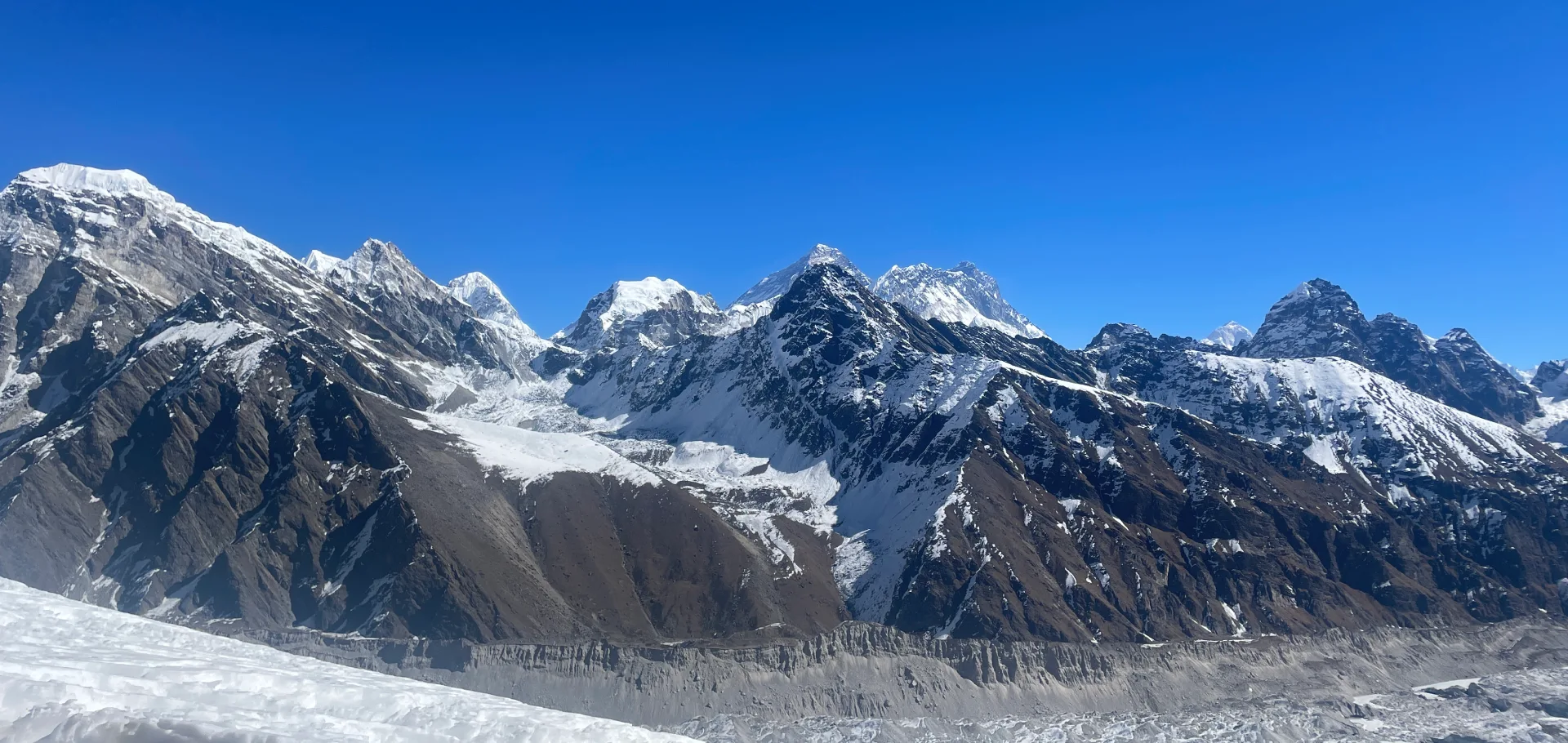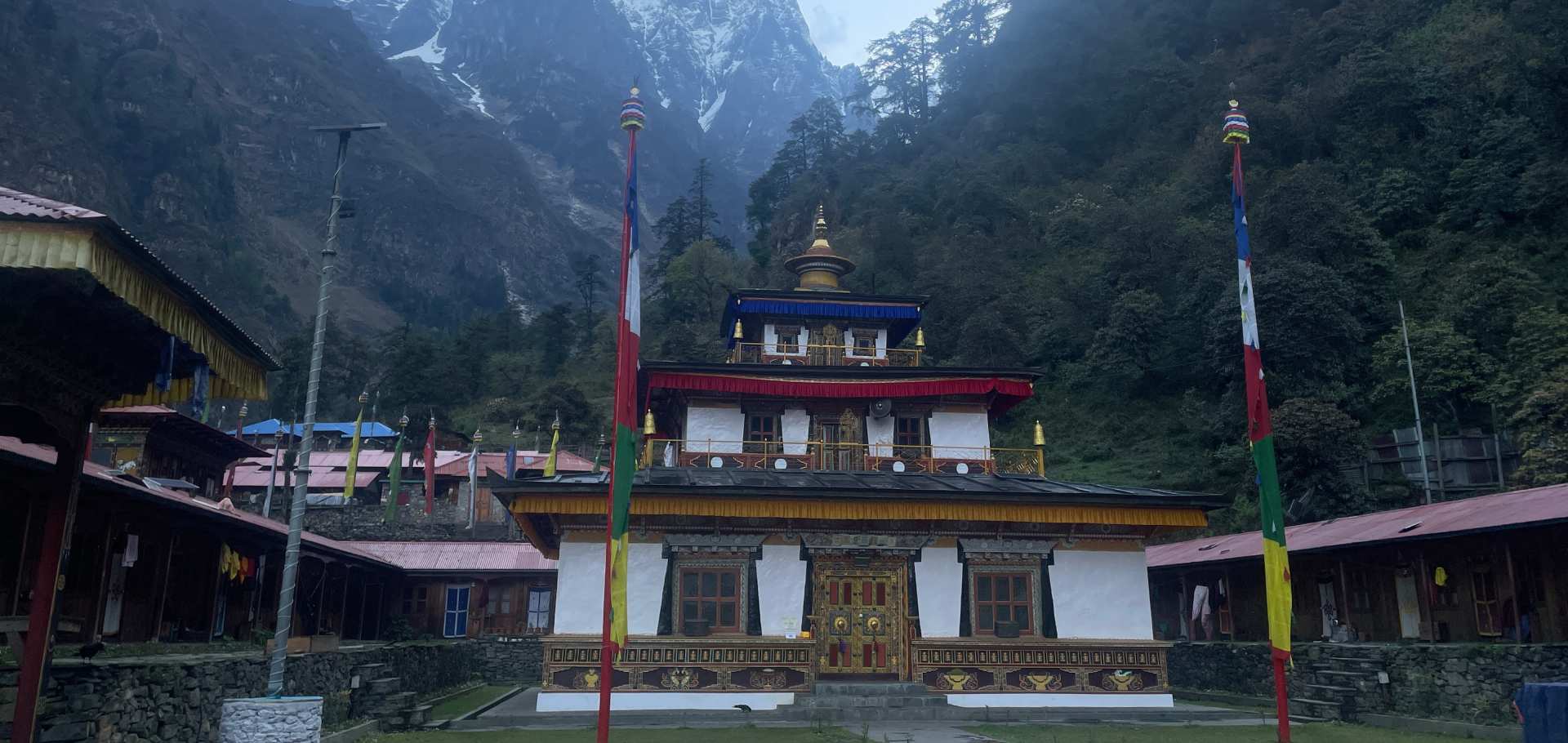

Top Highlights

Trip Duration
13 Days (arrival and departure inclusive)

Max Altitute
4,130 meters

Best Season
March—May & September—November

Trip Grade
Moderate

Group Size
2-20

Trek start-Ending place
Pokhara

Meal
B.L.D

Region
Annapurna Region
Highlights
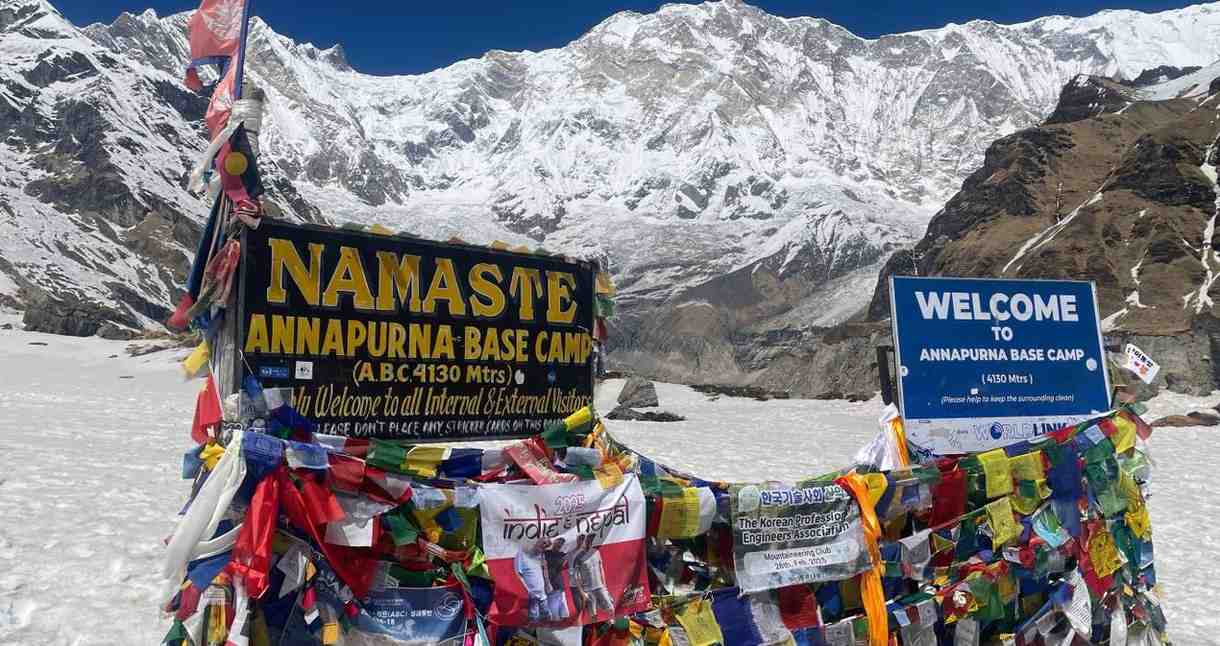
- Ascend to Annapurna Base Camp, located at an altitude of 4130 meters above sea level.
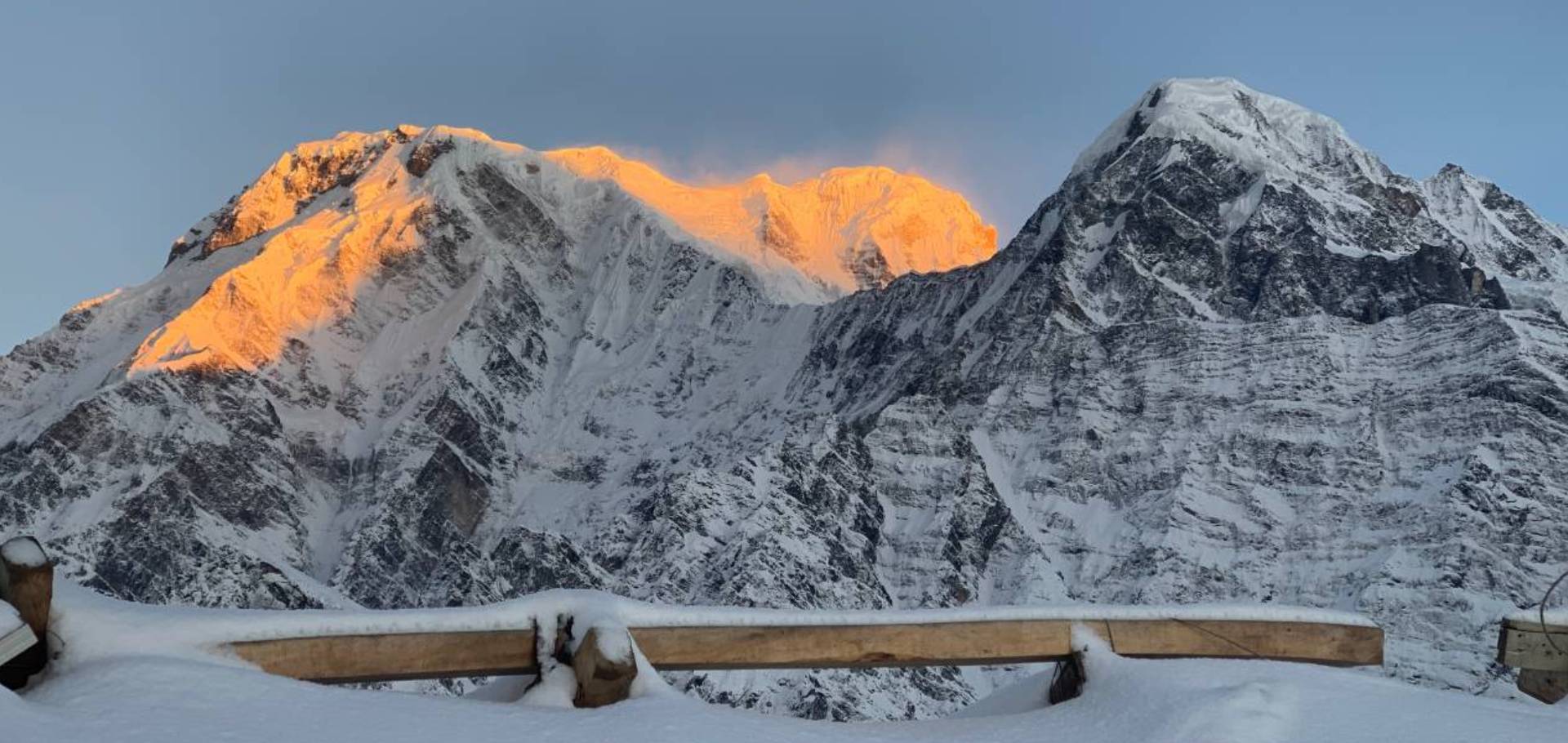
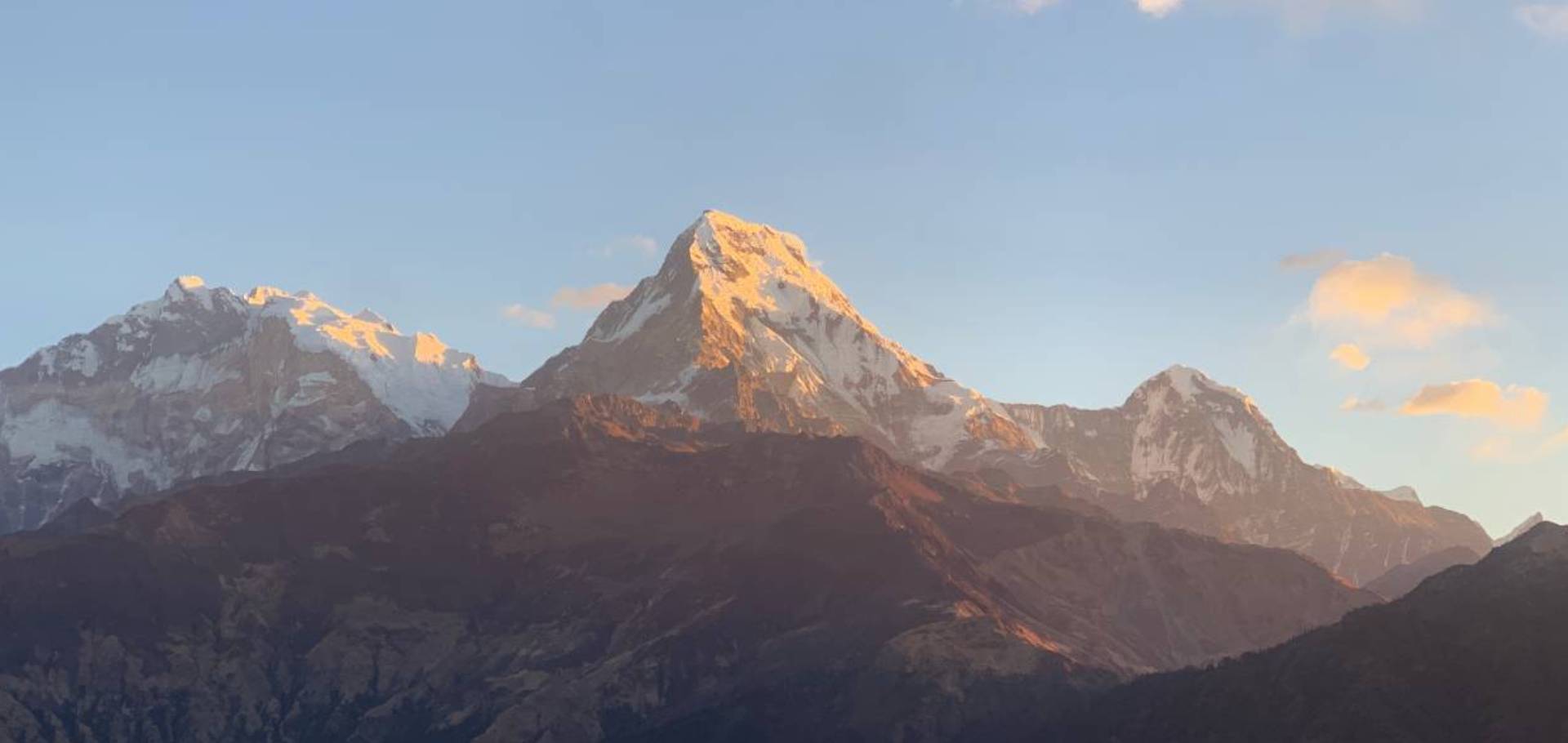
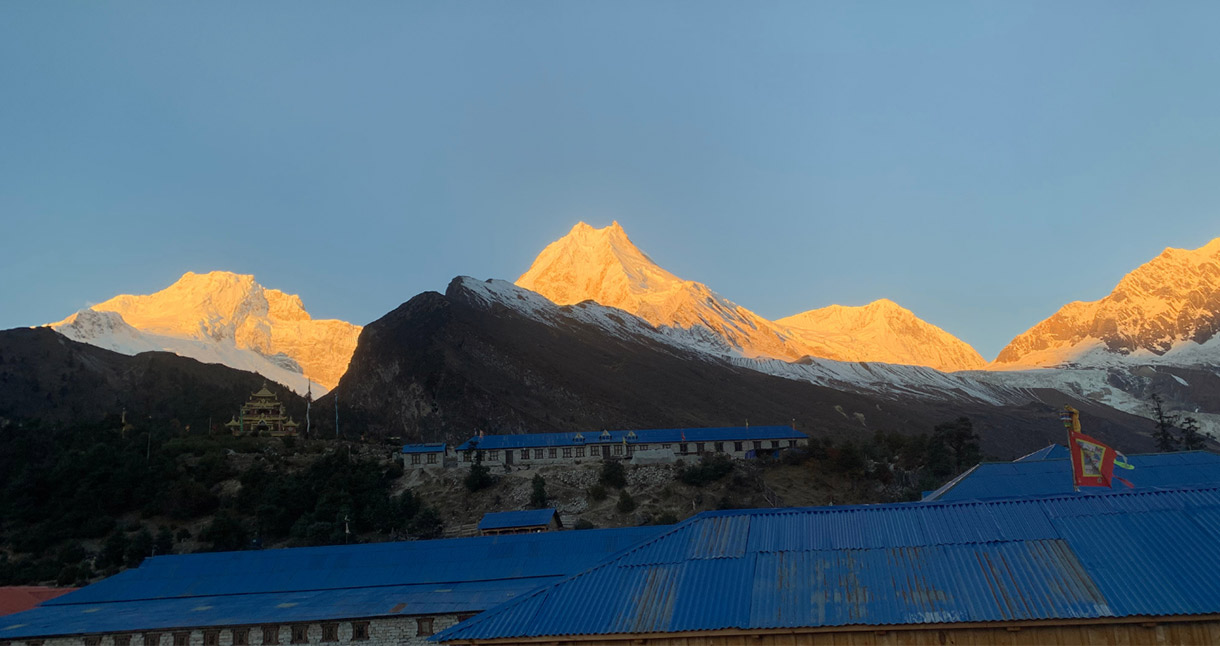
- Witness sunrise from Poon Hill (3,210m), painting Annapurna and Dhaulagiri in gold.
- Trek through rhododendron forests, terraced fields, and traditional Gurung villages.
- Relax in natural hot springs at Jhinu Danda after your mountain journey.
- Experience Pokhara’s lakeside charm before and after the trek.
- Gain cultural insights into the Gurung and Magar communities.
- Adventure-packed trail combining Ghorepani-Poon Hill with Annapurna Base Camp.
- Comfortable teahouse trekking with warm hospitality and local cuisine.
- A safe and well-paced itinerary with acclimatisation built in.
- Guided by the Himalayan Ice Cap’s expert Sherpa leaders and crew.
Overview of The Annapurna Base Camp Trek
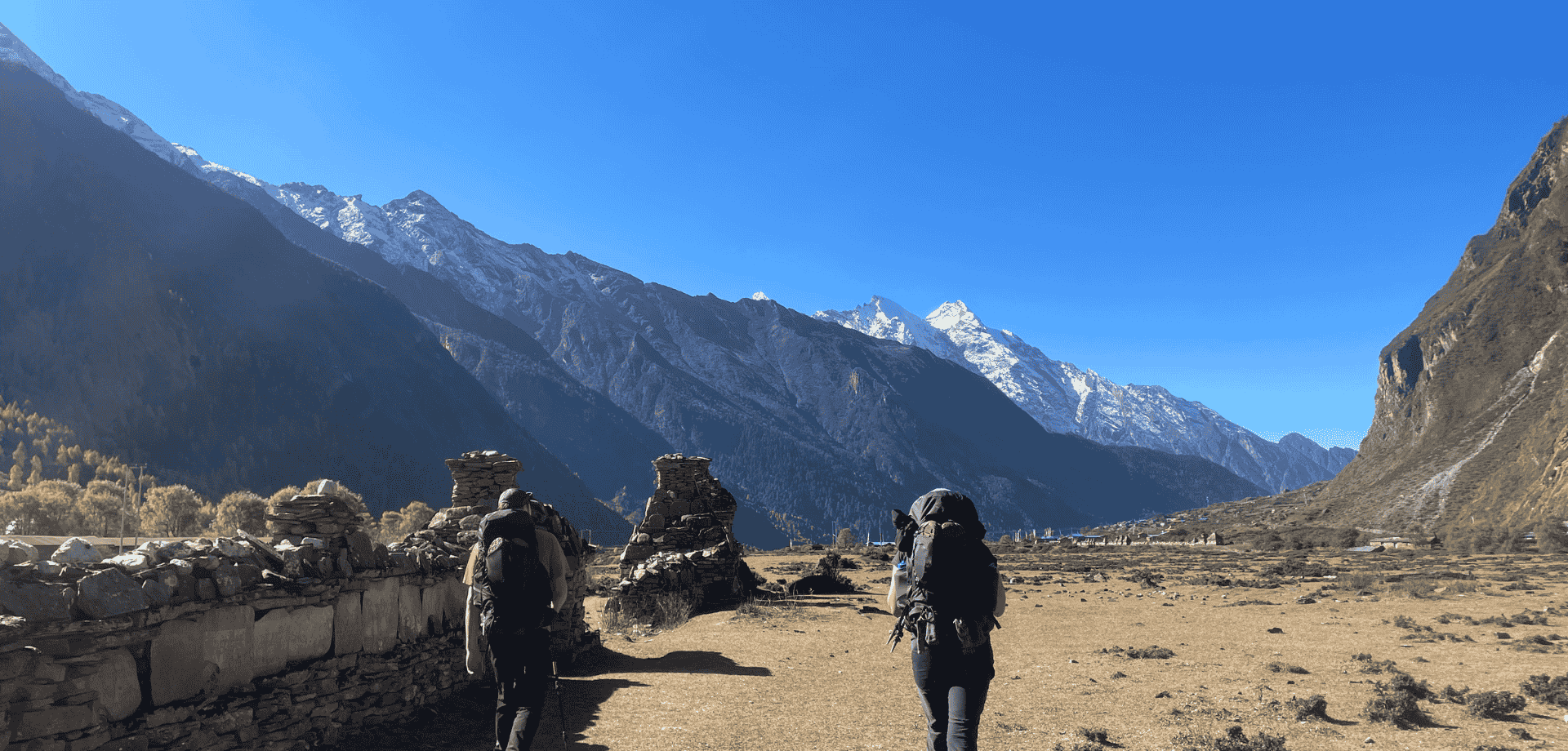
The Annapurna Base Camp Trek is one of Nepal’s most breathtaking journeys, leading you deep into the heart of the Annapurna Sanctuary. Over 13 incredible days, you’ll walk through vibrant rhododendron forests, traditional villages, cascading waterfalls, and high alpine landscapes that feel like another world.
This adventurous journey to Annapurna Base Camp begins with a 6- to 7-hour drive from Kathmandu to Pokhara. Starting from Kathmandu, the route can be a little bumpy, but as we drive for about a couple of hours, the road is just awesomely pitched. Therefore, you will be in for one of the most adventurous, scenic, and comfortable drives from Kathmandu to Pokhara.
The walk to the Annapurna Base Camp begins at Nayapul, which can be reached in about 2 2-hour drive from Pokhara. From Nayapul, our true test and adventure begins as we walk on the ABC trail. On this journey, we pass through several traditionally settled, beautiful villages, including Ulleri, Ghorepani, Chuiley, Sinuwa, and Deurali, before finally making our way to the Annapurna Base Camp (4130 meters).
Other than the villages, the trek to Annapurna Base Camp also takes us through several rhododendron forests, hills, across different rivers via suspension and wooden bridges, including some waterfalls on the way. Do you know what this means? Well, it means that the Annapurna Base Camp Trek combines experience, adventure, and opportunities to delve deep into the religion, tradition, and culture of the Annapurna trekking region.
Permits for Annapurna Base Camp Trek
Just like any other treks in Nepal, the trekkers also have to obtain some specific permits for the Annapurna Base Camp Trek as well. Here are the permits that you need:
- Annapurna Conservation Area Permit (ACAP)
- Trekkers' Information Management System (TIMS)
If you book the package with Himalayan Ice Cap, our local representatives will hold your permits until you begin your journey to Annapurna Base Camp.
Why Choose Himalayan Ice Cap?
Choosing the perfect travel agency is one of the most important things to do while planning for any trekking journey, including the Annapurna Base Camp Trek. Do you know which travel agency can be the best for you?
Well, none other than the Himalayan Ice Cap. Here are a few reasons why choosing us for your ABC trekking adventure can be the best decision you make:
- One of the most important things that we promise is certified, mountain-born guides who bring cultural insights, safety knowledge, and real mountain wisdom.
- Our agency also offers flexible schedules tailored to your pace, fitness level, and interests for a stress-free trek.
- We make sure to arrange well-planned acclimatization, proper gear checks, and 24/7 support for peace of mind on the trail.
- With our fluently English-speaking guides, you can also easily interact with Gurung, Magar, and other mountain communities along the route.
- The hotels and tea houses are also carefully handpicked, making sure that they offer proper facilities and high-quality food.
- Moreover, with the Himalayan Ice Cap, you can expect no hidden costs, with clear inclusions for permits, accommodation, meals, and logistics.
- The Himalayan Ice Cap team also encourages sustainable trekking principles that respect the local culture and minimize environmental impact.
Best Seasons for Annapurna Base Camp Trek
The Annapurna Base Camp Trek is doable throughout the year. However, your experience during the trek depends heavily on the season you choose. Each season brings its own charm, challenges, and atmosphere, from blooming rhododendrons in spring to snow-draped mountains in winter. Therefore, picking the right season ensures not only a better experience but also safety and spectacular views alongside.
Let's break down the best and not-so-preferable seasons for the Annapurna Base Camp Trek journey:
Spring Season (March to May)
The spring season is considered to be the best season for any trekking journey in Nepal, including the Annapurna Base Camp Trek. During this season, the trails come alive with rhododendron forests in full bloom, painting the hillsides red, pink, and white. Furthermore, you can also expect warm and clear days and cool nights, often manageable ones.
Autumn (September to November)
Another perfect season to go for the Annapurna Base Camp Trek is the Autumn season, which falls between September to November. Many trekkers even consider this season as the golden season for trekking in Nepal. As autumn comes right after the summer monsoon, the air feels fresh, the skies are crystal clear, and the Himalayan giants appear sharper than ever.
Besides, the trekkers can also expect pleasant daytime temperatures, making the trek comfortable, and the evenings remain cool yet enjoyable. Another amazing thing about trekking during the autumn season is that it is a festive season in Nepal. Therefore, the trekkers can also participate in different festival celebrations along with thrill and adventure.
Winter Season (December to February)
In contrast to the spring and autumn seasons, the winter season is not considered a very suitable one for the Annapurna Base Camp Trek. Winter brings fewer trekkers and a more peaceful experience on the trails. Furthermore, we can also expect a snow blanket in the higher section of the trekking map, including the Machhapuchhre and Annapurna Base Camp. Besides, the days also remain sunny but cold, while nights at high altitude can be freezing. Nevertheless, with proper gear, experience, and preparation, winter treks are rewarding, though occasional snowfall may affect accessibility.
Summer/Monsoon Season (June to August)
Summer coincides with Nepal’s monsoon season, making this the least recommended time for the trek. Besides, the trails can be slippery with leeches in lower sections, and cloud cover often hides the mountains. However, the landscapes are lush and green, rivers roar with energy, and fewer tourists mean quieter paths. It’s a good option for those seeking solitude, though not ideal for photography.
Annapurna Base Camp Trek Difficulty Level
The Annapurna Base Camp Trek is considered to be a moderately difficult trekking route in Nepal. Due to this reason, the ABC trek also sits as one of Nepal's most popular and accessible high-altitude adventures. Besides, if you are a new trekker, you'll be happy to know that this trekking journey does not require technical climbing skills. However, you must be ready, as the walk demands stamina, preparation, and a willingness to take on multiple days of continuous trekking.
On average, you’ll trek 5 to 7 hours per day, covering diverse terrains, ranging from subtropical valleys and forested hillsides to rocky paths leading into the alpine sanctuary. Besides, the Annapurna Base Camp Trekking map takes us to the highest point of 4130 meters. Ascending to such a high altitude means trekkers might face altitude sickness issues. However, it's still less compared to the Everest Base Camp Trek.
What makes this trek manageable is the well-structured teahouse trail, which allows you to rest comfortably every night with warm meals and cozy beds. The support of experienced guides and porters also eases the burden, giving you more energy to focus on the adventure and scenery. With moderate fitness, proper acclimatization, and some mental determination, most trekkers, including beginners, find the Annapurna Base Camp Trek not only achievable but deeply rewarding.
Food and Accommodation During the Annapurna Base Camp Trek
The Himalayan Ice Cap team makes sure to arrange high-quality food and accommodation that covers all the health and hygienic requirements while ascending on the Annapurna Base Camp Trek. Also, let us tell you that the ABC trek is well known for having multiple teahouses and lodges.
Talking about food available during the trek, trekkers can expect a good and nutritious menu. The tea houses, lodges, and hotels throughout the trail offer Nepali staple Dal Bhat (rice, lentil soup, vegetables, and pickles) as the primary meal. Other than that, you can also expect noodles, soups, curries, momos, pancakes, and even pasta and pizza in some villages. As you climb higher, menus become slightly limited, but the warmth of a hot meal in the mountains always feels rewarding.
On the other hand, accommodation throughout the Annapurna Base Camp Trek is mainly in traditional teahouses. We recommend the trekkers to expect small, family-run lodges offering basic yet cozy comfort. Talking about the rooms, they usually come with two single beds, blankets, and a shared bathroom, though in lower villages, you may find attached facilities. One thing to know is not to expect luxury because the charm lies in simplicity and hospitality.
Other Facilities on the Annapurna Base Camp Trek route
While the Annapurna Base Camp Trek takes you deep into remote mountain landscapes, you’ll still find several facilities along the trail that make the journey more comfortable. The trekkers can expect most of the villages to have small shops where they can buy snacks, bottled water, or basic toiletries, though prices rise with altitude. Furthermore, almost all of the tea houses and hotels that the Himalayan Ice Cap team arranges also provide internet and WiFi connection, making it easy for the trekkers to stay connected with their loved ones or family.
One thing that comes with gaining altitude is fewer healthcare facilities. However, we can certainly find health posts in larger villages like Chhomrong and Ghandruk. Besides, our guides are also well-trained to handle altitude-related issues. We recommend the trekkers to carry some Nepali Rupees as ATM facilities are not available in the higher regions, while the tea houses also ask for extra payment for the basic requirements due to difficulty in transportation. Therefore, we recommend the trekkers not to expect luxurious facilities but enough adventure and experience instead.
How to Prepare for the Annapurna Base Camp Trek?
- Build Physical Fitness: Train 2 to 3 months ahead with cardio (running, cycling, stair climbs) and strength exercises targeting legs and core.
- Practice Long Walks: Do hikes lasting 5 to 7 hours while carrying a backpack to simulate daily trekking routines.
- Acclimatization Mindset: Understand altitude sickness and its symptoms. Go slow, stay hydrated, and allow your body to adjust naturally.
- Pack Smart & Light: Limit your load to essentials. Porters carry most of your gear, but a lighter pack means an easier journey.
- Hydration & Nutrition: Train yourself to drink 3 to 4 liters daily. On the trek, stick to boiled or filtered water and balanced meals.
- Mental Readiness: Expect rustic teahouses, basic showers, and tough climbs. A positive mindset makes hardships feel like part of the adventure.
- Insurance & Documents: Carry ACAP and TIMS permits, a valid passport, and insurance that covers high-altitude trekking.
What to Pack for the Annapurna Base Camp Trek?
Packing for the Annapurna Base Camp Trek is like preparing for two worlds in one journey. In the lower valleys, you’ll walk through warm, subtropical forests where a light shirt feels enough. As you climb higher, icy winds sweep across the ridges, and you’ll need insulated layers to stay warm. Packing smartly means carrying only what’s essential, but making sure every item earns its place in your backpack. A well-thought-out packing list ensures you’re ready for shifting weather, long days on the trail, and cozy evenings in teahouses.
Here is what you must pack to make the Annapurna Base Camp one of your best trekking experiences:
Clothing
- 2-3 moisture-wicking t-shirts (quick-dry, no cotton).
- 1-2 long-sleeve shirts for sun and wind protection.
- 2 pairs of trekking pants & 1 light shorts.
- Warm insulated jacket (down or synthetic).Fleece jacket or pullover.
- Lightweight rain jacket and rain pants.
- Thermal base layers (top and bottom) for higher altitudes.
- 4–5 pairs of moisture-wicking socks & liner socks.
- Warm hat, sun hat, and scarf.
- Gloves (light fleece & waterproof outer gloves).
Footwear
- Sturdy trekking boots (broken-in, waterproof).
- Lightweight camp shoes or sandals for evenings.
- Extra pair of laces (always handy).
Gear & Equipment
- Comfortable backpack (35–45L daypack).
- Duffle bag (carried by porters).
- Trekking poles (helpful on descents).
- Sleeping bag (-10°C rating recommended).
- Headlamp with spare batteries.
- Reusable water bottles (2 x 1L) or hydration bladder.
- Water purification tablets or a filter.
Toiletries & Personal Items
- Biodegradable soap/shampoo.
- Quick-dry towel.
- Sunscreen (SPF 40+), lip balm with SPF.
- Hand sanitizer and wet wipes.
- Basic first aid kit (band-aids, blister pads, pain relief, Diamox if needed).
- Toilet paper (rarely provided in teahouses).
Optional Extras
- Camera, smartphone, or GoPro with spare batteries.
- Journal or Kindle for downtime.
- Lightweight sleeping bag liner.
- Energy bars, chocolates, or trail snacks.
- Small gifts or tokens for local children (optional but thoughtful).
Book the Annapurna Base Camp Trek Package Now!
Are you ready to go for an amazingly adventurous 13 Day Trek to Annapurna Base Camp? We believe that this package detail provides you with all the necessary information. So, if you want to go for the trek, book the package now with Himalayan Ice Cap.
Check out the pricing we offer from the right-hand side of the package detail and click on the Book Now button. However, if you want to customize the package, you can do that by clicking on the Customize A Trip button just below the Book Now button.
Nevertheless, if you have any more queries, feel free to contact our team or visit our office at Thamel, Narsing Chowk. The Himalaya Ice Cap team is always more than happy and excited to host this adventurous trek to the Annapurna Base Camp.
Itinerary
As you land in the Tribhuwan International Airport (Kathmandu), the local representatives from Himalayan Ice Cap receive you and drive you to the hotel in Thamel. Check into your room, get freshened up, and go for a quick stroll around the nearby areas.
We recommend you try out some unique cuisines and drinks in the bars, pubs, and hotels. Besides, if you want, you can also go for a quick massage session to prepare yourself physically for the upcoming trek.
On the second day, we will go for a scenic and adventurous drive from Kathmandu to Pokhara, which takes about 6 to 7 hours. The drive takes us along the Prithvi Highway, tracing the rushing Trishuli River. Besides, this scenic journey also takes us past several traditionally settled villages and towns throughout the route.
As we reach Pokhara, we will check in at the hotel and go for a quick rest after refreshment. After getting fresh, we recommend you go for a quick stroll around the Lakeside, Pokhara. Trust us, the lakeside lifestyle looks just amazing in the evening, so you wouldn't want to miss that at all.
After having breakfast in the hotel, our representatives will take you for a drive to Nayapul, the starting point of the Annapurna Base Camp Trek. It takes only 2 hours for us to drive from Pokhara to Nayapul through a well-pitched road.
From Nayapul, we finally begin the official walking journey on the Annapurna Base Camp Trekking route. Leaving Nayapul, we need to go for a gentle walk through riverside paths, crossing a few small villages showcasing the lifestyle of the Annapurna region. As the path turns steeper, you’ll climb through stone stairways and terraced fields, gradually ascending toward Ulleri.
It takes about 5 to 6 hours for us to reach Ulleri from Nayapul, so by the time we reach the destination, it will already be evening. This picturesque Magar village, known for its weeping views and traditional stone houses, offers you your first mountain lodge stay. Overnight stay, and dinner will be arranged in a lodge at Ulleri.
Another day calls for another adventurous walk in the Annapurna Base Camp Trekking Trail. After breakfast, the Sherpa guides will lead you on a trail that takes you from Ulleri to Ghorepani, one of the scenic villages you come across during this trek. Leaving Ulleri, we walk through dense rhododendron and oak forests, alive with birdsong and fresh mountain air. Besides, the steady climb is also shaded and refreshing, with occasional clearings offering glimpses of snow-capped peaks.
Within about 4 to 5 hours, we enter Ghorepani, a vibrant Gurung village popular with trekkers. Seated high in the hills, the village offers spectacular views of Dhaulagiri and Annapurna South. Furthermore, you can also expect the atmosphere to be lively yet cozy, with warm teahouses ready to welcome you after a tiring trek.
Today, the trekkers need to wake up a little earlier, in the dawn we'd say. Why? Because we will go for an early morning hike to the PoonHill viewpoint, a beautiful viewpoint located at an altitude of 3210 meters above sea level. Our day begins in stillness, long before dawn, when the world is dark and the mountains sleep under a blanket of stars. As we gain some altitude, the trekkers sense the air growing sharper, carrying the scents of pine and the hush of anticipation.
This route, along with the PoonHill viewpoint, offers outstanding and spectacular views of Dhaulagiri, Annapurna, and Machapuchre. As we ascend to the top of the PoonHill viewpoint, the trekkers can find a perfect place to sit quietly and enjoy the panoramic views. Moreover, this viewpoint is also considered one of the best points for photographers to capture the best photos.
After spending some time on the viewpoint, we will descend to a village named Chuiley, a village located at an altitude of 2400 meters. Here, the Himalayan Ice Cap team arranged dinner and an overnight stay for the trekkers before heading further on the Annapurna Base Camp Trekking trail.
After spending a cozy night at Chuiley and having a fulfilling breakfast in the morning, today, we will walk to Sinuwa. This village, located 2350 meters arrives after walking for about 5 to 6 hours. Talking about the trail, this section of the Annapurna Base Camp Trek takes us past enchanting forests of rhododendron and bamboo. Besides, the trail also offers us smooth sounds of rushing rivers that accompany you as you cross suspension bridges and follow winding stone steps.
As we reach Sinuwa, you will be heartily welcomed by the locals and a peaceful village set above the Modi Khola Valley. From here, you can feel the Annapurna Sanctuary drawing closer, its peaks beginning to dominate the skyline. We will spend the night in a lodge after having a fulfilling dinner here in Sinuwa.
Now that we are gaining altitude, the trekkers need to be prepared for altitude sickness issues. Slow pace and proper planning can be the best thing to do for that. As we leave Sinuwa, the trail climbs through dense bamboo forests, gradually opening into alpine landscapes. Furthermore, we will also pass through several traditional villages, including Bamboo and Dovan.
It takes about 5 to 6 hours for us to reach Deurali, a beautiful village with a high and rugged setting surrounded by towering cliffs. This traditional settlement sits at an altitude of 3250 meters above sea level. Besides, the village also feels quite wild, with icy winds carrying the scent of snow. Also, let us tell you that Deurali is a perfect place to acclimatize before climbing all the way to the Annapurna Base Camp.
After 7 days of walking on the trail, we will finally ascend all the way to the Annapurna Base Camp on the eighth day. Not to mention, this will be the most exciting and thrilling day of the entire ABC Trekking package. Firstly, we will ascend to the Machhapuchre Base Camp that sits at an altitude of 3700 meters, and this is where we take a quick break before ascending further to the Annapurna Base Camp.
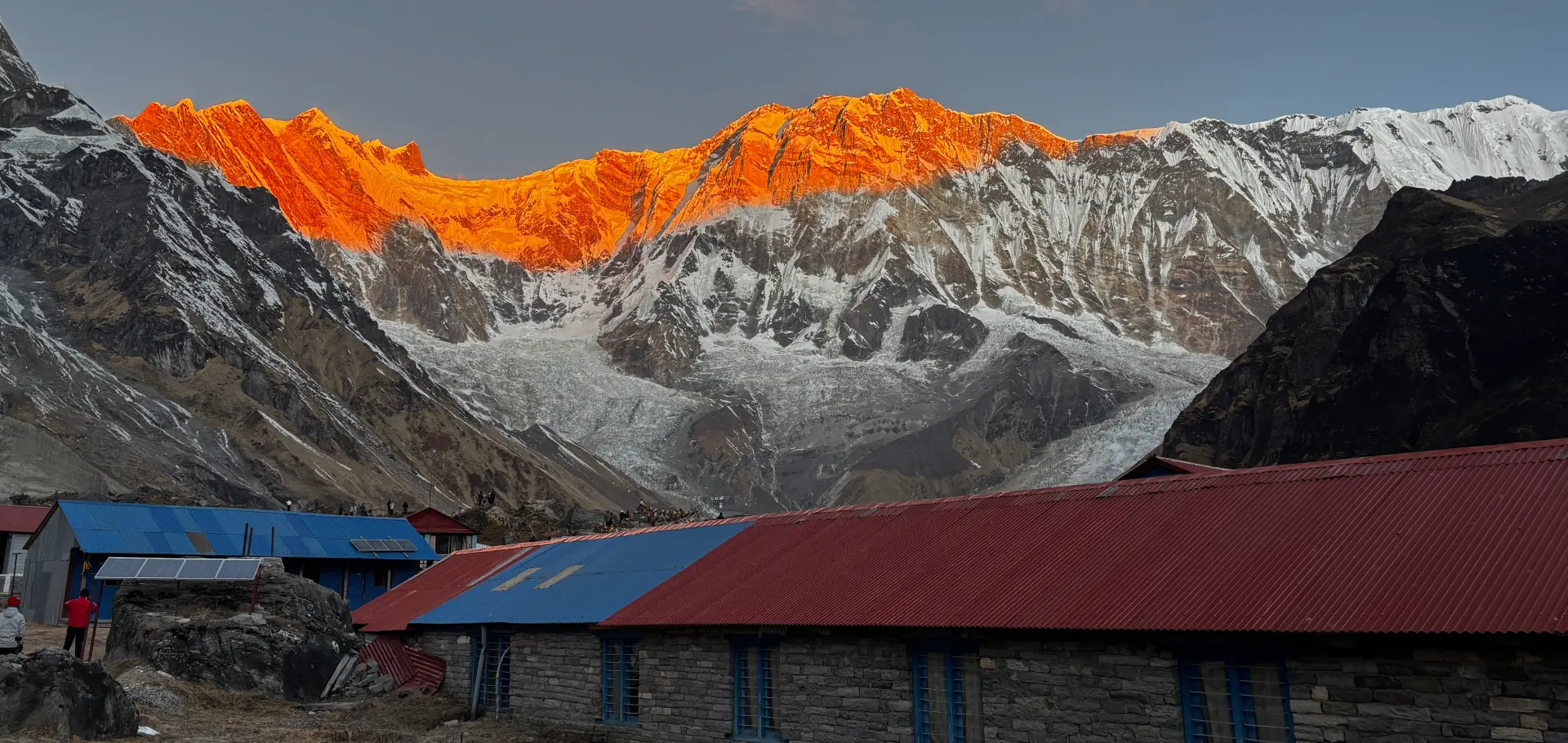
From Machhapuchhre Base Camp, we only have to walk for about 2 hours to reach the Annapurna Base Camp, and the trail is also normal and gentle. Besides, this section of the trek also offers incredible and immersive views of the Annapurna Massif and the surrounding peaks. The Sherpa guides will set up the tent and prepare dinner as you get freshened up before spending the night in the tent.
After exploring the Annapurna Base Camp and spending a cool, chilling night there, we begin a descending journey on the ninth day. Today's trail takes us all the way to an altitude of 2350 meters, where a village named Bamboo sits. This section of the trail traces back through the Machhapuchhre Base Camp and takes us back into the lower forests. With a gradual descent, we can also sense the air getting warmer and thicker, making the walk easier and doable.
Within about 5 to 6 hours of the descending journey, we will reach Bamboo, a village surrounded by lush vegetation and river valleys. Besides, the village also sits as a welcome contrast after the stark alpine terrain, offering warm teahouse hospitality and a restful night’s sleep.
As you wake up and have breakfast in Bamboo, the Sherpa guides take you on a descending walk towards another village named Jhinu Danda located at an altitude of 1800 meters above sea level. This section of the Annapurna Base Camp Trekking trail descends further through rhododendron and oak forests, crossing rivers and winding through stone-paved paths.
Today’s destination, Jhinu Danda, is famous for its natural hot springs along the Modi Khola River. After days of trekking, soaking in the warm waters while surrounded by jungle and mountain views is pure bliss. It’s the perfect place to rejuvenate both body and spirit.
Finally, the eleventh day marks an end to the walking journey on the Annapurna Base Camp Trekking map. From Jhinu Danda, we will go for a drive to Pokhara and have dinner, and stay in the same hotel where we stayed before heading to the Annapurna Base Camp.
Again, it's your chance to enjoy another beautiful day and night in the Phewa lakeside, having some refreshments, and relaxing in the peace and serenity. Also, let us tell you that the nightlife at Pokhara Lakeside is one of the best you can experience in the world. So, don't miss out on that at all.
After freshening up and having breakfast, Himalayan Ice Cap's guides will take you for a drive back to Kathmandu. Another 6 to 7 hours of driving to complete as we leave Pokhara on a tourist bus and return to the capital city of Kathmandu.
In the evening, the Himalayan Ice Cap team invites you for a farewell dinner. This dinner is accompanied by a performance, which you can enjoy before putting an official end to the 13-Day Annnapurna Base Camp Trek with Himalayan Ice Cap.
The thirteenth day is officially the last day of our Annapurna Base Camp Trekking package. If you have a plan to return to your home, our representatives will drop you off at the airport and bid a farewell. However, if you have any further plans to go on another adventurous journey in Nepal, you can continue the booking with us.
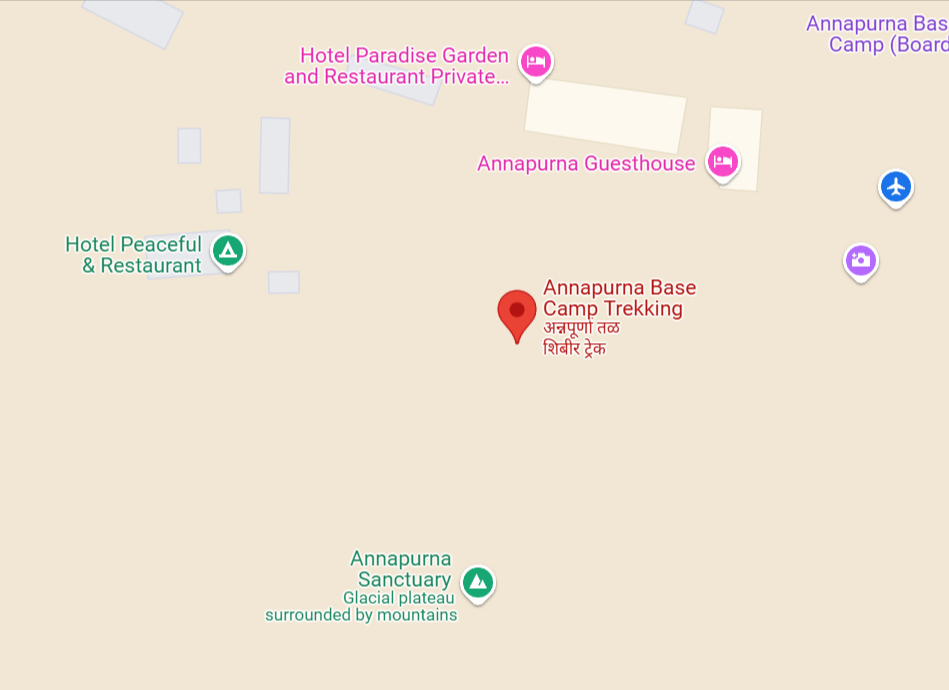
Annapurna Basecamp Map
Cost Include
- Transportation between Kathmandu Airport and your hotel in Kathmandu by private vehicle.
- Tourist bus transfer from Kathmandu to Pokhara (start of trek) and from Pokhara (end of trek) to Kathmandu.
- Moderate full board trek with 3 meals per day: Breakfast, Lunch, and Dinner with a cup of tea or coffee.
- Purification tablets – For safe drinking water.
- Assorted fresh fruit of the season, daily
- Govt-licensed English-speaking Himalayan Icecap experienced trekking leader.
- Meals for guides and porters, their insurance, accommodation, transport, and equipment.
- Annapurna Conservation Area Permit (ACAP)
- All taxes, such as local and government taxes, and all official fees.
- Medical kits with an oximeter to check the blood oxygen saturation level in blood.
Cost Exclude
- Flights for international departure.
- Nepal Visa.
- Arrangement of all trip accommodations in Kathmandu before and after the journey.
- Additional nights in Kathmandu because of early arrival, late departure, or early return from the trek.
- All meals in Kathmandu before & after the Trip.
- Tips for guides and porters.
- Nepal entry visa fee: You can obtain a visa easily upon your arrival at Tribhuwan International Airport, Kathmandu (payable in cash, US dollars).
- Travel insurance is mandatory and has to be for emergency helicopter high-altitude rescue, evacuation, and medical costs.
- Personal expenses (shopping, snacks, bottled water or boiled water, laundry, hot water (Tea, coffee), cold drinks, hot water, hot shower, phone calls, wireless internet, phone charger, battery charger, personal porters, etc.
- Personal clothing and gear.
- Baggage cost over the deposited amount (9 kg) by the trekker is @Rs.100 per kg/side.
- Extra cost incurred due to the delay in the itinerary, illness, etc., causes beyond our control, such as natural calamities (landslide, bad weather, road blockage, change of government policies, political instability, strikes, etc.)
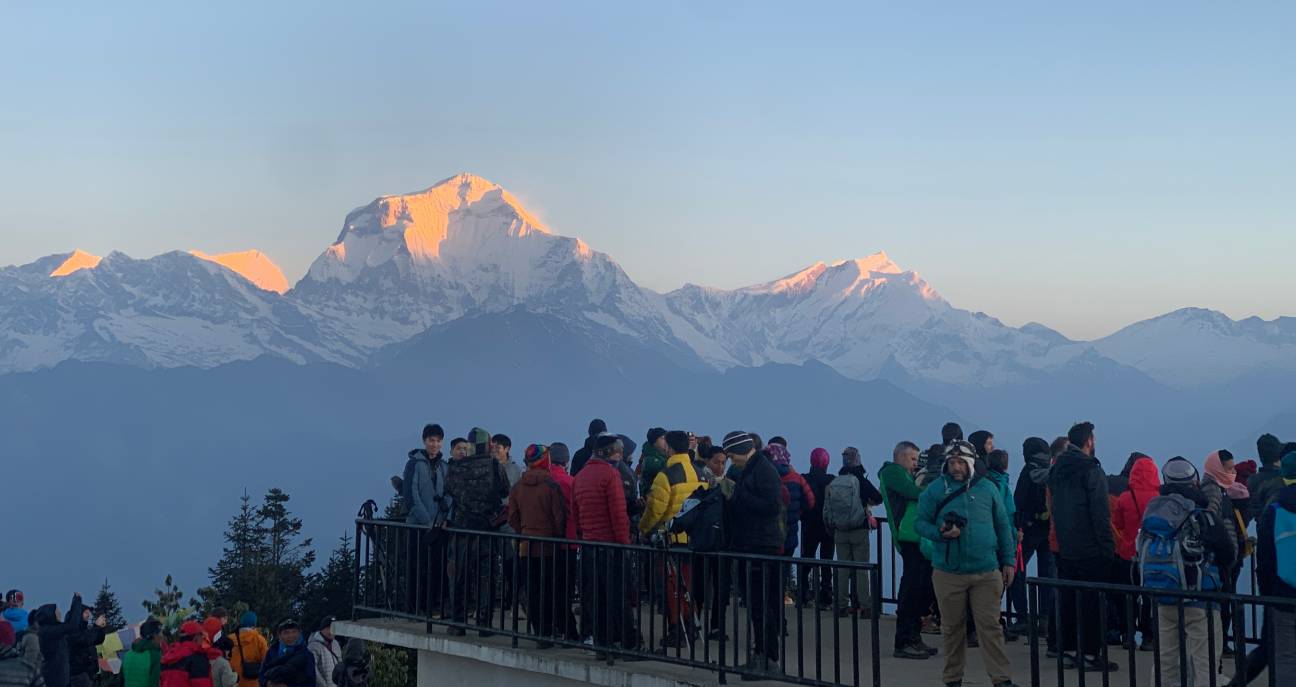
Photo Gallery
FAQ

Anil Tamang
Tour Manager