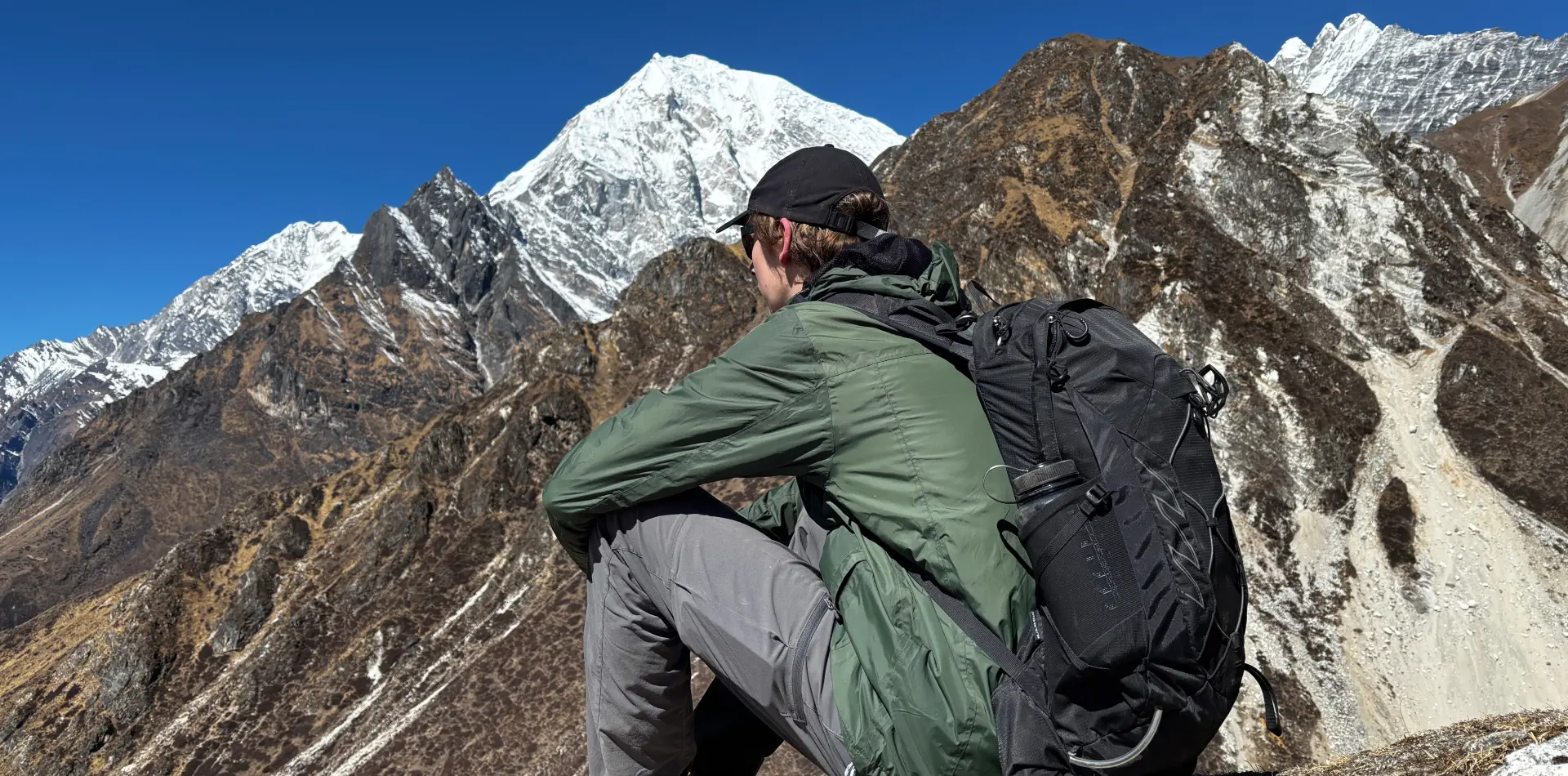
The second the road turns rough, and the pines begin, ultimately, the whole thing adjusts. Kathmandu fades in the back. Yaks seem to be on the route like they’ve been waiting. A river rushes beneath. And then Langtang Lirung rises in advance, 7,227 metres of quiet white in opposition to blue sky; no longer shouting for interest, simply there, constant and exquisite.
This valley by no means feels crowded or rushed. It’s the closest real Himalayan experience to the capital; no long flight to Lukla, no week-long commitment. Drive out in the morning, arrive inside in the afternoon, and through nighttime, the teahouse stove is already crackling and butter tea is steaming on the table.
Why with the Himalayan Ice Cap?
- The team keeps matters straightforward and fair.
- Guides know those paths from childhood; which shortcut appears after rain, which hotel has the warmest quilts, whilst the monal are most lively at sunrise.
- Groups stay intimate, so conversations feel natural, and the path by no means will become a procession. Waste comes back.
- Wages attain the people who live right here. And if something surprising happens, behind schedule jeep, a surprising weather shift, a twisted ankle, a person picks up the phone, day or nighttime.
- The cognizance remains on the walk itself: footsteps on dust, wind through pines, steam growing from a cup of lemon tea at the end of the day.
Ready to Go?
Pick a package that matches the time and energy available. Send a message with preferred dates (spring bloom, autumn clarity, winter quiet?) and group size.
The rest gets arranged, so the only thing left to do is walk, look around, and let the valley do the rest.
Frequently Asked Questions
How long does it take to reach Langtang from Kathmandu?
Usually 7–nine hours by private jeep or shared bus, scenic with mountain perspectives the entire way. The helicopter alternative shortens it to approximately 25 minutes.
Is the Langtang Valley Trek tough?
Mostly mild. Daily strolling ranges from 4-7 hours on steady paths with sluggish climbs. Main camps sit between 3,000 and 3,800 m. The elective Tserko Ri point of view reaches 4,984m. Rest days and bendy pacing make it possible for maximum moderate fitness in shape humans.
What is the best time for the Island Peak Climbing journey?
March to May brings wildflowers and smooth light. September–November gives the clearest skies and golden landscapes. Both seasons supply sharp perspectives and snug temperatures. Winter provides snow and solitude. Monsoon (June–August) brings rain and slippery trails; commonly avoided.
Is this climb suitable for newbies?
Yes, the Island Peak Climbing journey is broadly regarded as one of Nepal’s most approachable treks. Anyone snug on 5-6 hours a day on numerous terrain can manage it with desirable shoes and a high-quality mindset. Many first-time trekkers begin right here.
What is the best factor of the Island Peak Trek?
Tserko Ri's standpoint at 4,984 m delivers a huge 360° landscape. Gosaikunda Lake itself sits at 4,380 m, already high enough to experience the altitude and the sacred ecosystem.