
Top Highlights

Trip Duration
8

Max Altitute
4985m

Best Season
March–May and September–November

Trip Grade
easy

Group Size
2-20

Trek start-Ending place
KTM- Shyabru Besi

Meal
B. L. D

Region
Langtang Region
Highlights
- An amazing experience to trek on the Langtang Valley trail ascending to the highest altitude of 4984 meters.
- Scenic drive through rural Nepal from Kathmandu to Syabrubesi, the gateway to Langtang National Park.
- Journey through lush oak, rhododendron, and bamboo forests, home to red pandas and Himalayan wildlife.
- Explore Langtang Village, a resilient community rebuilt after the 2015 earthquake, surrounded by snow-capped peaks.
- Visit the sacred and serene Kyanjin Gompa (3,870m), a Tibetan Buddhist monastery in the Himalayas.
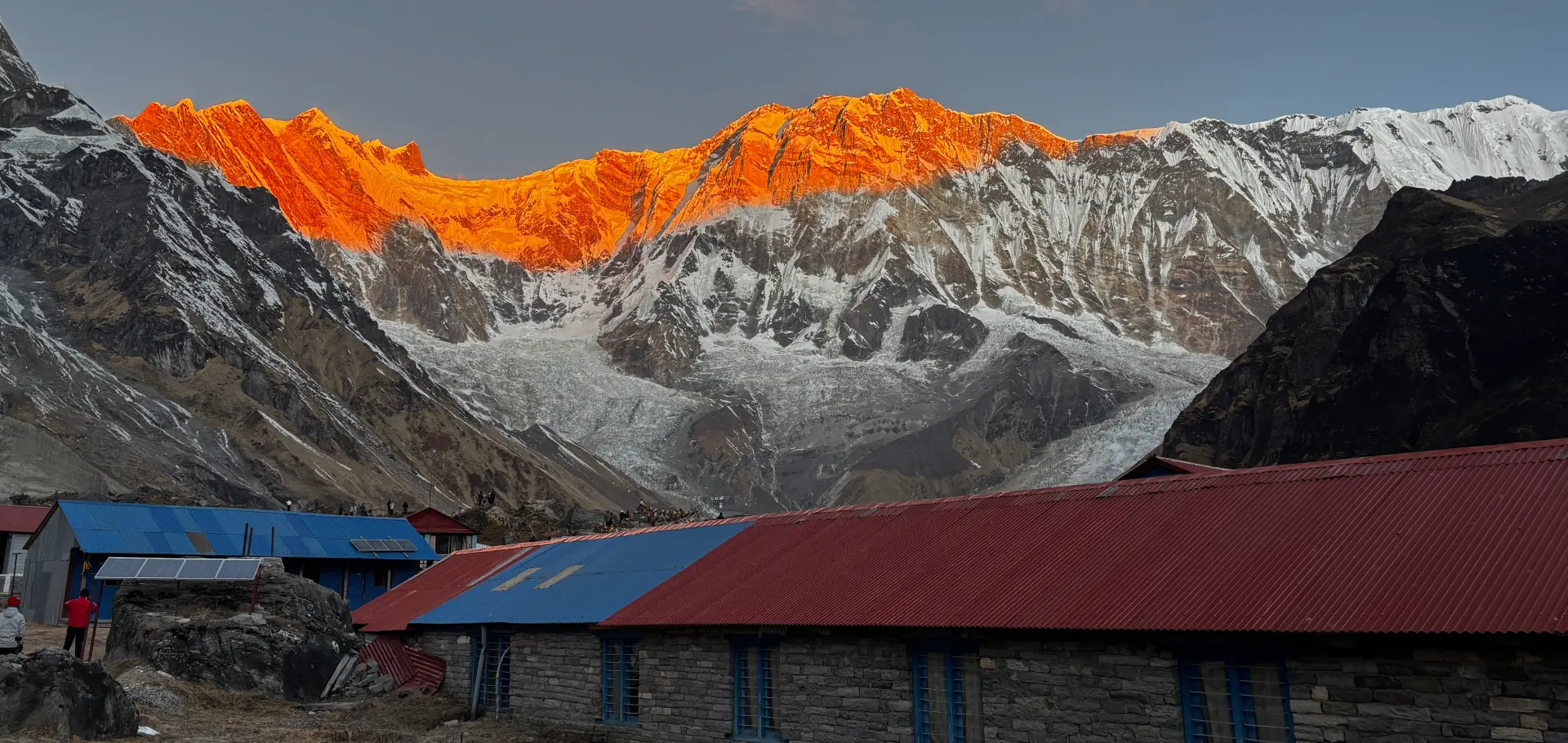
- Hike up to Tserko Ri (4,984m) for 360° panoramic views of Langtang Lirung and surrounding glaciated giants.
- Delve deep into the cultural, traditional, and religious aspects and practices of the Lagtang Valley region.
- Enjoy a trek ideal for beginners or travellers with limited time seeking high-altitude adventure.
10 days Langtang Valley Trek Overview
Langtang Valley Trek is a 10-day trekking journey with the Himalayan Ice Cap that offers trekkers a chance to spend some days in the remote and peaceful Himalayan environment. Just imagine the moment when you are sipping hot ginger tea beneath the watchful eye of Langtang Lirung. Well, going for the Langtang Valley Trek means taking yourself far from the hustle and bustle of urban settlement and going for a Himalayan experience.
The 10-Day Langtang Valley Trek kicks off as you reach Kathmandu and go for a scenic drive to Syabrubesi on the second day. This 7-9 hour drive takes us through the highway, crossing several settlements, hills, bridges, and tea houses on the way. After spending a night in Syabrubesi, we start the walking journey in the Langtang Valley Trekking map. The journey gradually ascends through villages like Bamboo, Langtang Village, and Kyanjin Gompa, before taking us to the Tserko Ri, the highest point of the entire route.
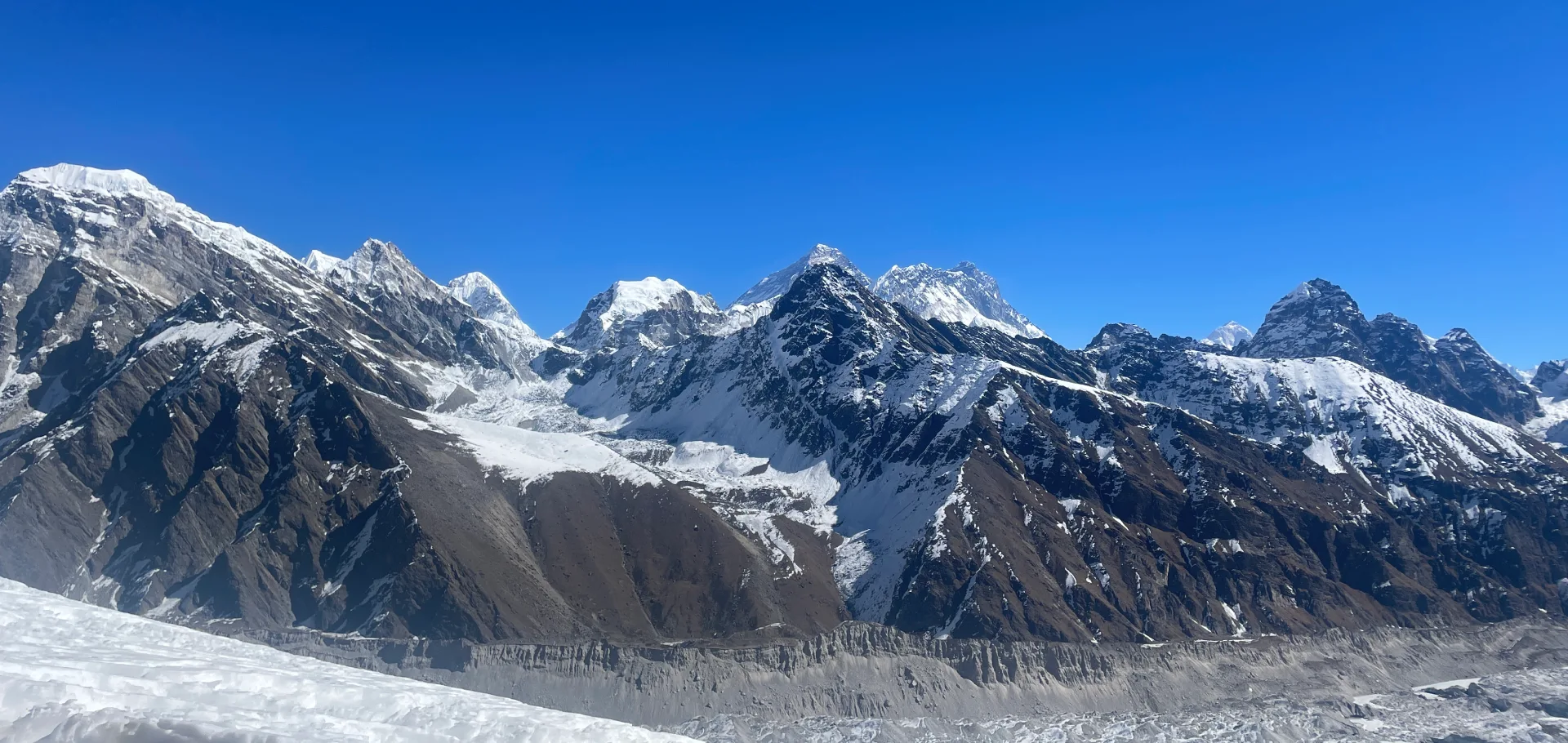
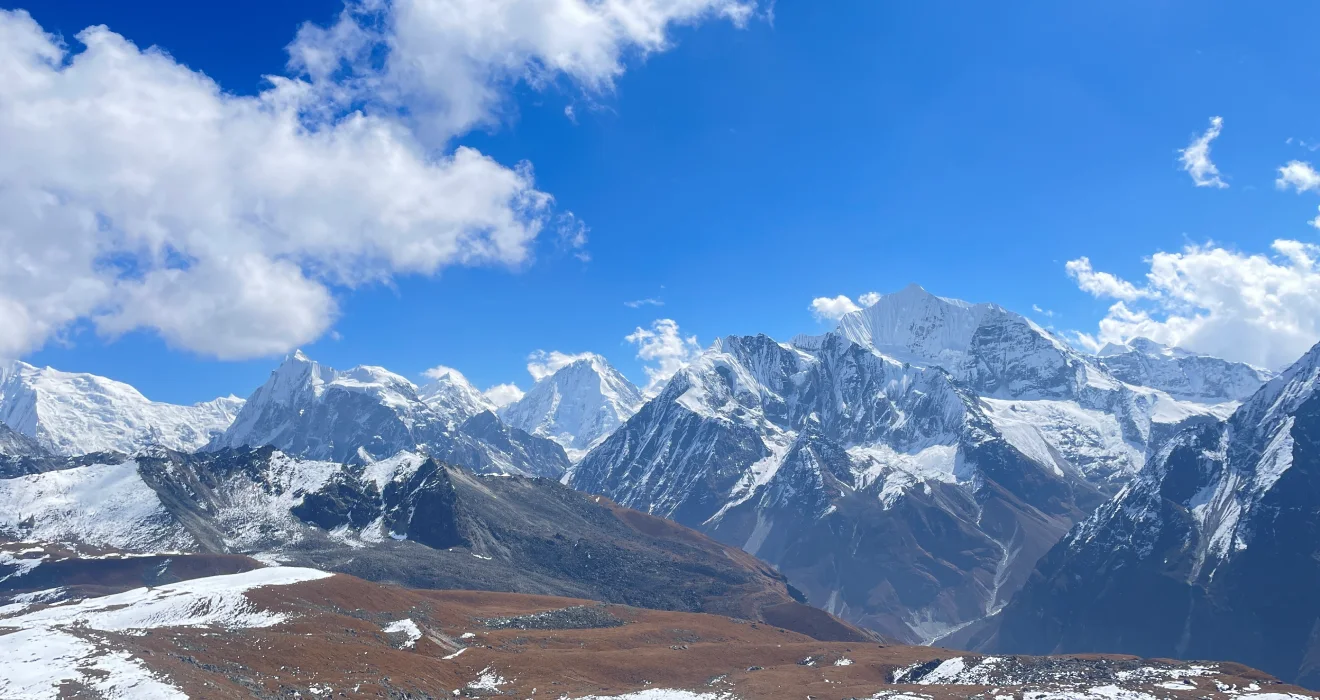
And for the spectacular scenery of Langtang valley with the peaks of Langtang Lirung (7,227 m), Gang Chhenpo (6,387 m), Yala Peak (5,732 m), Langshisa Ri (6,420 m), Gurkarpo Ri (6,891 m), Loenpo Gang (6,979 m), and Dorje Lakpa (6,990 m).
This entire trekking trail feels like something out of a storybook as you walk past lush bamboo groves, waterfalls tumbling over mossy stones, and glimpses of curious langurs dancing in the trees. As we gain altitude and cross Lama Hotel, the views widen, the air gets thinner, and every step feels closer to the sky. It’s here that you’ll witness the beauty of cultural endurance, as the local Tamang people welcome trekkers into their lodges. On the fifth day, we finally reach the crown jewel of the journey, the Kyanjin Gompa (3870 meters). However, the ascent does not stop there as the guides also take you on a hike to Tserko Ri (4984 meters) before returning.
Highlights of Kyanjin Gompa:
- Location: Set among beautiful peaks such as Langtang Lirung (7,227m), Yala Peak, and Dorje Lakpa, the village has awesome Himalayan vistas.
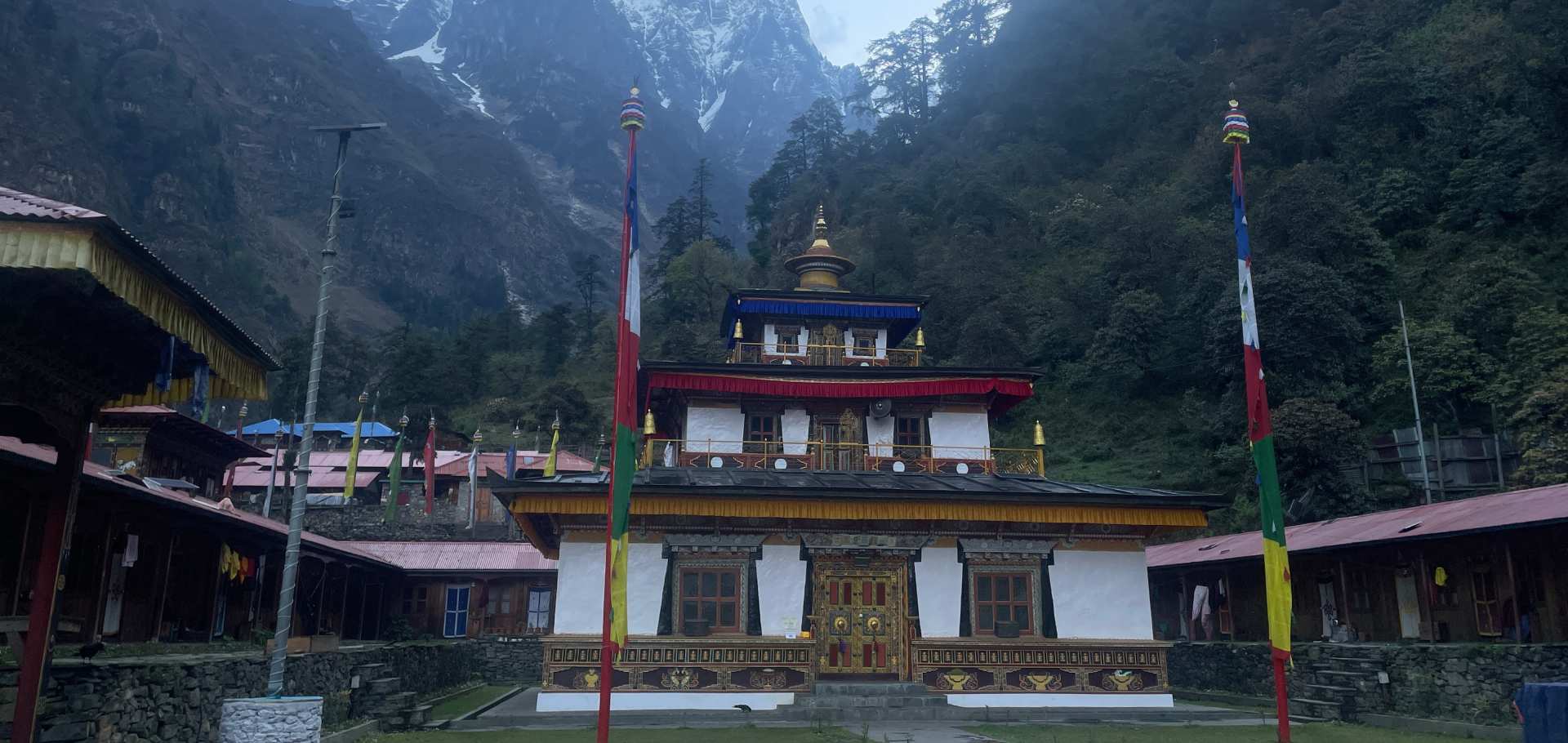
- Kyanjin Monastery: This ancient Buddhist monastery offers a serene place for quiet meditation and spiritual introspection, and has lent its name to the village.
- Yala Cheese Factory: With Swiss technical cooperation, this factory produces yak cheese that you can enjoy fresh in the village.
Kyanjin Ri (4,773m) and Tserko Ri (5,000m+) are both fantastic day hikes with expansive views of the Himalaya
Kyanjin Gompa – Overview
Kyanjin Gompa is a stunning high village and spiritual centre in Langtang Valley, Langtang National Park, Nepal. At an altitude of around 3,870 meters or 12,697 feet, it is the last big stop on the Langtang Valley Trek.
The village takes its name from the Kyanjin Monastery, an ancient Buddhist shrine at the heart of spiritual and cultural life in the area. Bounded by majestic snow-capped peaks like Langtang Lirung, Yala Peak, and Dorje Lakpa, Kyanjin Gompa is a place where one can gaze and relish a wholesome panoramic view of mountains amidst an aura of peace, perfect for both adventure and tranquility.
Kyanjin Gompa serves as a base for trekkers to acclimatize and walk to popular vantage points, including Kyanjin Ri and Tserko Ri, where incredible views of the towering Himalayas can be savored. (There is also a yak cheese factory nearby whose methods of production combine an old Tibetan process with Swiss gold given away.
The synthesis of the landscape, the rich Buddhist culture, and the ease of access (just a few days’ walk from Syabrubesi) make Kyanjin Gompa a must-see for those wanting to experience the raw spirit of the Himalaya.
Langtang Village – Overview
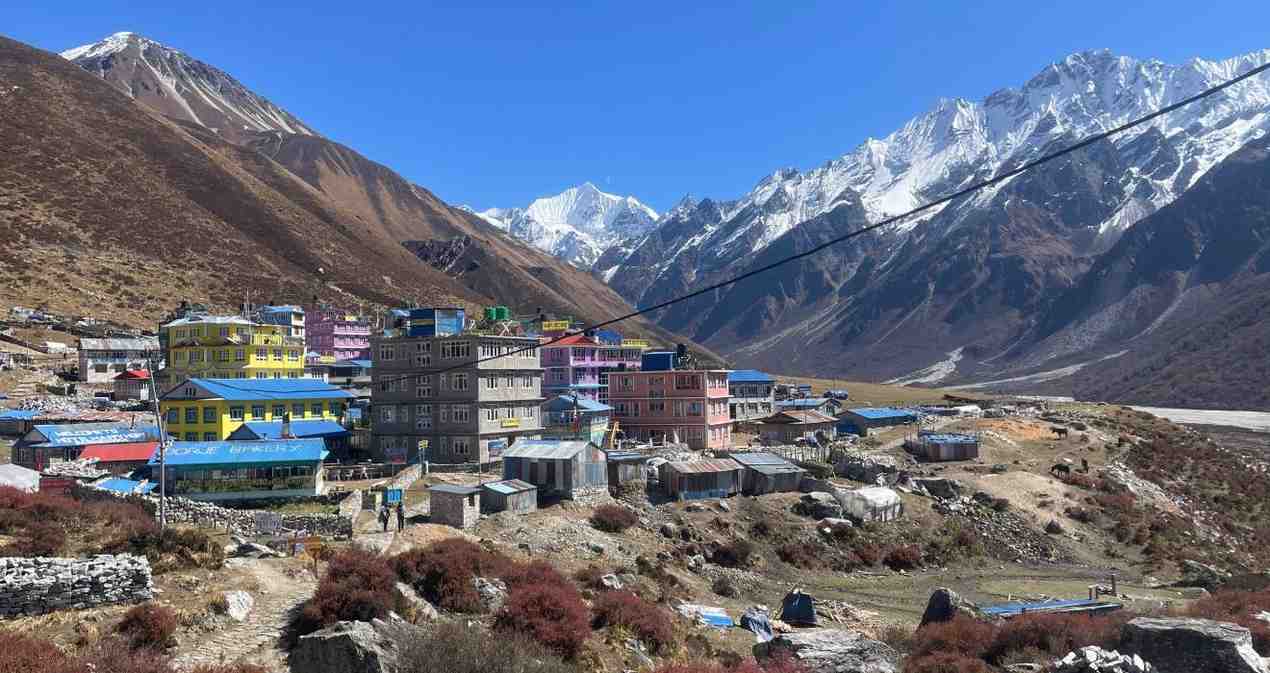
Langtang Village is a nice high-altitude village situated at approximately 3,430 m (11,253 ft) above sea level in the Langtang Valley of Langtang National Park in Nepal. Situated between Lama Hotel and Kyanjin Gompa, it's one of the major stops on the Langtang Valley Trek.
The inhabitants of this "Tamang village" hold a culture of Tibetan Buddhism. Travellers can discover traditional stone houses, prayer wheels, chortens, and colourful prayer flags — all testament to the local people's spiritual heritage.
Langtang Village was on the receiving end of a huge avalanche that devastated the community during the 2015 earthquake. Yet somehow it's been rebuilt into stronger infrastructure and stronger resistance. The recent village lies a little lower and has nice teahouses, warm hospitality, and standard trekking services.
Amidst snow-clad mountains such as Langtang Lirung (7,227m), the village is situated to rest in and acclimatize. Hikers can also sample some of the local yak cheese and go on small walks around the region.
Langtang Valley Trek Food and Accommodation
Along the Langtang Valley Trek, you’ll stay in locally run teahouses that provide basic yet cozy accommodation. Most offer twin-sharing rooms with warm blankets and shared bathrooms. In larger villages like Langtang Village and Kyanjin Gompa, some teahouses may offer private rooms and hot showers for an extra fee. These lodges are simple but clean and welcoming, often run by kind-hearted locals.
Food on the trail is fresh, vegetarian-friendly, and energy-rich. The menu usually includes Nepali staples like dal bhat, Tibetan bread, fried rice, momos, noodles, pasta, and eggs. Tea, coffee, and boiled or bottled water are readily available. Meals are usually prepared with locally sourced ingredients, so don’t expect gourmet fare, but rest assured, it's warm, filling, and perfect for trekkers.
Why the Himalayan Ice Cap?
Trekking in the Himalayas isn’t just about reaching high altitudes; it’s about finding the right people to get you there safely, meaningfully, and with heart. At Himalayan Ice Cap, we’re more than just a trekking company; we’re your local companions, your support crew, your storytellers, and your safety net. With decades of collective experience across Nepal’s most remote and remarkable trails, we understand that your Langtang Valley adventure should be as personal as it is powerful.
Here are a few more reasons why every trekker should choose the Himalayan Ice Cap for the Langtang Valley Trek:
- First off, the Himalayan Ice Cap's guides are not just licensed and experienced; they grew up in the mountains. Therefore, you can expect local expertise with global standards.
- From custom pacing to dietary needs, we tailor every aspect of your trip. This means that you are not just another trekker in the group; you are a guest in this life-changing journey.
- Himalayan Ice Cap has a transparent pricing policy. With that, you should only pay the price you see. Besides, the package cost also includes permits, meals, accommodations, transportation, and guides.
- Our team of expert guides and staff handpicks teahouses that are clean, cozy, and known for warm hospitality. Besides, we also make sure to arrange nutritious and fresh meals adapted to your needs.
- We support local economies, minimise environmental impact, and empower the communities we trek through. Every step leaves a positive footprint.
- From altitude management to emergency evacuation protocols, we prepare for every scenario so you can trek with peace of mind. This means that the Himalayan Ice Cap team keeps your safety as its top priority.
- Whether it’s your first trek or your fifth, we’re here every step of the way. Have questions? Need to adjust your itinerary? We’ve got you.
Permits and Travel Insurance for Langtang Valley Trek
Ascending any trekking route in Nepal requires trekkers to obtain special permits. This not only ensures smooth passage through conservation zones but also keeps you protected in case of emergencies. Here are the permits that every trekker needs to obtain for the Langtang Valley Trek:
- Trekkers' Information Management System (TIMS)
- Langtang National Park Entry Permit
Well, if you book the package with the Himalayan Ice Cap, our local representatives will help you throughout the process. Also, remember that these permits are checked by the authorities before you enter certain areas. Therefore, you must obtain both of these permits and get them registered before going for the Langtang Valley Trek.
Best Season for Langtang Valley Trek
Spring (March to May) and Autumn (September to November) stand as the best seasons to go for the Langtang Valley Trek. During these months, the skies are generally clear, the weather is stable, and the mountain views are spectacular, especially of Langtang Lirung, Dorje Lakpa, and the surrounding Langtang Valley. Trek Food and Accommodation
Along the Langtang Valley Trek, you’ll stay in locally run teahouses that provide basic yet cozy accommodation. Most offer twin-sharing rooms with warm blankets and shared bathrooms. In larger villages like Langtang Village and Kyanjin Gompa, some teahouses may offer private rooms and hot showers for an extra fee. These lodges are simple but clean and welcoming, often run by kind-hearted locals.
Food on the trail is fresh, vegetarian-friendly, and energy-rich. The menu usually includes Nepali staples like dal bhat, Tibetan bread, fried rice, momos, noodles, pasta, and eggs. Tea, coffee, and boiled or bottled water are readily available. Meals are usually prepared with locally sourced ingredients, so don’t expect gourmet fare, but rest assured, it's warm, filling, and perfect for trekkers.
Funding peaks. Furthermore, the spring season also offers blooming rhododendrons and warmer temperatures, while autumn offers crisp air and excellent visibility after the monsoon.
In contrast, we recommend trekkers not to go for this trek during winter (December to February) and monsoon (June to August). Although winter is less crowded and the scenery is equally stunning, expect snow at higher elevations and colder conditions, particularly in Kyanjin Gompa and Tserko Ri. Besides, the Langtang Valley Trekking journey can also be difficult due to heavy rainfall, landslides, and poor trail conditions during the monsoon season.
Langtang Valley Trek Difficulty Level
The Langtang Valley Trek is considered moderately difficult, making it suitable for both beginners with good fitness and seasoned trekkers looking for a shorter Himalayan adventure. As we need to ascend to the highest altitude of 4984 meters above sea level, trekkers must prepare well for different obstacles, including altitude sickness. Moreover, like any other Himalayan trekking journey, Langtang Valley also includes some steep ascents, rocky paths, and long walking hours.
We recommend the trekkers to prepare very well, but also be informed that no prior high-altitude trekking experience is required for this trek. Anyone with knee or breathing issues should consult a physician before the trip. Hiring a professional guide not only adds safety but also enhances the experience with local insights. Overall, with preparation and pacing, the trek is achievable and incredibly rewarding.
Preparation for the Langtang Valley Trek
If you’re thinking about taking on the Langtang Valley Trek, a little preparation can go a long way. While it’s not the most extreme trek in Nepal, it still has its fair share of challenges, steep ascents, altitude changes, and long walking hours. The good news? With some thoughtful training and the right mindset, almost anyone with decent fitness can enjoy this beautiful journey.
- Here's how you can prepare for this adventurous trek in the Langtang Valley:
- Start training 4-6 weeks in advance with a focus on cardiovascular endurance, leg strength, and hiking stamina.
- Incorporate uphill hikes or stair climbing with a loaded backpack to simulate actual trekking conditions.
- Break in your hiking boots and gear to avoid blisters and discomfort during long walking hours.
- Learn about altitude sickness (AMS), know the early symptoms, prevention tips, and when to descend.
- Hydrate regularly and eat well, especially at higher altitudes, to support energy levels and acclimatisation.
- Practice walking at a steady, comfortable pace, and don’t underestimate the importance of acclimatisation rest days
- Mentally prepare for basic facilities, unpredictable weather, and a slower mountain lifestyle—flexibility is key to enjoying the trek.
Langtang Valley Trek Packing List
Packing smart for the Langtang Valley Trek means being ready for everything, from warm sunny afternoons to chilly mountain nights. Since the trek takes you through varied elevations and rustic trails, it’s important to strike the right balance between essentials and weight.
Here’s a comprehensive checklist to help you stay warm, dry, and comfortable every step of the way:
- 2-3 moisture-wicking base layer shirts (synthetic or merino wool)
- 1 thermal top & bottom (great for colder nights)
- 1 fleece or soft-shell jacket for layering
- 1 insulated down jacket (for high-altitude mornings and evenings)
- 1 waterproof and windproof shell jacket
- 2 pairs of trekking trousers (quick-dry)
- 1 pair of warm pants for evening/camp wear
- 3-4 pairs of wool/synthetic trekking socks
- 4-5 pairs of quick-dry underwear
- Sun hat or cap, warm beanie, and buff/scarf
- Lightweight gloves + insulated gloves for cold evenings
Footwear
- Well-broken-in trekking boots (water-resistant recommended)
- Lightweight camp shoes or sandals for lodge evenings
- Extra laces and 1-2 blister plasters or Compeed pads
Toiletries & Personal Items
- Quick-dry towel
- Toothbrush and biodegradable toothpaste
- Wet wipes and hand sanitiser
- Sunscreen (SPF 30+), lip balm with SPF
- Biodegradable soap or multi-purpose wash
- Toilet paper + ziplock bags (to pack out used tissue)
- Menstrual hygiene products (if applicable)
- Small mirror, nail clippers
Health & First Aid
- Personal medications (carry extra doses)
- Altitude medication (e.g., Diamox, but only after consulting your doctor)
- Pain relief tablets (ibuprofen or paracetamol)
- Antiseptic cream, band-aids, gauze, medical tape
- Oral rehydration salts or electrolyte tablets
- Anti-diarrhoeal (e.g., Imodium)
- Water purification tablets or a filter bottle (LifeStraw, Grayl)
Electronics & Documents
- Headlamp with spare batteries
- Power bank (solar if possible)
- Universal travel adapter
- Phone/camera with charger
- Copies of your passport, permits, and travel insurance
- 2–3 passport-sized photos (for permits)
- Trekking map or GPS app (like Maps.me)
- A pen and a small notebook or journal
Money & Extras
- Enough Nepali rupees for the trek (no ATMs after Syabrubesi)
- Lightweight snacks (nuts, granola bars, chocolate)
- Small trekking pole(s) - optional but very helpful
- Lightweight book or e-reader
- Dry bags or stuff sacks for organisation
- Earplugs and a sleeping mask for noisy teahouses
Book the Langtang Valley Trek Now!
Are you ready to take yourself on one of the adventurous trekking in Nepal, that's easy and insightful at the same time? Well, in that case, just book the Langtang Valley Trek with Himalayan Ice Cap for the best experience. With expert Sherpa guides, personalised service, and a focus on safety and authenticity, we make sure your trekking experience is as enriching as it is unforgettable. Therefore, we recommend all trekking lovers not to miss even a second and book your ticket to the 10-Day Langtang Valley Trek!
Itinerary
Welcome to Nepal, the land of the Himalayas! As you land at the Tribhuwan International Airport, Kathmandu, our local representatives will receive you and drive you to the hotel. During this short drive, you can notice the city buzzing with a unique mix of ancient temples, colourful streets, and warm smiles. As you reach the hotel, the staff welcome you with a refreshing drink, and then you can check into your room.
After that, the day is all yours, just stroll around the town and explore Thamel’s lively market lanes or simply rest in the pubs or bars. In the evening, you will meet the guides who accompany you during the Langtang Valley Trek. Shoot any questions you have or and also get all your queries about the trek clarified. After that, you can go for a relaxing, cozy
On the second day, we go for a scenic drive from Kathmandu to Syabrubesi after breakfast. This 7-8 hour-long drive offers stunning views of terraced hills, cascading rivers, and distant snow-capped peaks. Besides, you can also experience driving on the bumpy roads while leaving the bustling city behind and approaching a scenic village that serves as the starting point of the trek in Langtang Valley.
After crossing several villages, forests, and deep rivers, we finally reach Syabrubesi, a small riverside village at an altitude of 1460 meters above sea level. Besides, this village, settled at the confluence of the Bhote Koshi and Langtang Rivers, also lets you experience different peace and calmness. Overnight stay and dinner will be arranged in a cozy lodge by the Himlayan Ice Cap team.
Well, it's the day when we officially begin the walk on the Langtang Valley Trek as we leave Syabrubesi for Lama Hotel. This section of the trail follows the Langtang River, taking us through dense oak, maple, and rhododendron forests. Furthermore, we also get frequent chances to cross several suspension bridges and walk past sparkling waterfalls while crossing some small settlements like Bamboo and Rimche. Remember that today's climb can be steady and occasionally steep. However, the shade of the forest and the river’s melody provide natural motivation.
We reach the Lama Hotel around late afternoon, which means we need to walk for 5 to 6 hours on the third day. Upon reaching the Lama Hotel, you will witness a cozy settlement surrounded by greenery and misty hills. Furthermore, this tranquil stop is also considered perfect for recovering from your first day of walking. In the evening, you can chat with fellow trekkers and listen to the sounds while having dinner and sleeping.
Today sits as one of the most significant days in the entire Langtang Valley Trekking package as we finally reach the Langtang Village. As we leave Lama Hotel, the trail starts to open up, offering glimpses of snow-dusted peaks in the distance. Furthermore, today's route also takes us through pine forests, past prayer wheels and mani walls, and into yak pastures. Besides, with each step, the landscape becomes more alpine and expansive.
By mid-afternoon, you’ll arrive in Langtang Village, a traditional Tamang settlement rebuilt after the 2015 earthquake. Besides, the warm hospitality, stone houses, and surrounding views of Langtang Lirung make this village feel both timeless and resilient. After exploring the village and interacting with the locals to learn more about the local culture, you can return to the hotel for dinner and an overnight stay.
Today, we will go for a relatively short but incredibly scenic journey that leads us to Kyanjin Gompa. This 3 to 4-hour-long ascent takes us higher into the valley where the forests give way to glacial moraine, wide yak pastures, and panoramic views of towering Himalayan giants. Besides, we will also pass through water-driven prayer wheels and fluttering prayer flags on our way to Kyanjin Gompa. As you approach the Kyanjin Gompa, you can experience a whole different level of spiritual energy.
It takes about 3 to 4 hours for us to reach Kyanjin Gompa, a beautiful monastery village surrounded by dramatic peaks like Langtang Lirung and Yala Peak. Also, did you know that this beautiful village is named after the centuries-old Buddhist monastery? Talking about the Gompa, it serves as a spiritual centre for the region’s Tamang and Tibetan communities. Furthermore, you can also find prayer wheels, butter lamps, and frescoes that whisper stories of ancient Himalayan traditions inside the gompa.
Remember that Kyanjin serves more than just a place to rest; it's a place to reflect, reconnect, and truly breathe in the mountains. Moreover, you can also visit the local Yak Cheese Factory and try out the locally prepared cheese. Also, you can learn about traditional cheese-making and sample some fresh Himalayan yak cheese while enjoying panoramic views of snow-capped giants like Langtang Lirung, Tserko Ri, and Yala Peak.
On the sixth day, we will not ascend any further on the Langtang Valley Trekking route. Instead, this day will be separated as a day for acclimatization. However, that does not mean that we will sit idly in Kyanjin Gompa. Instead, the Sherpa guides will take you on a quick hike to Tserko Ri (4,984 meters), the highest point of the entire Langtang Valley Trekking map. This optional side trip takes around 5 to 6 hours round trip, and it’s one of the most memorable moments of the entire Langtang Valley Trek. Moreover, you can also expect a majestic sunrise view that also reveals a 360-degree panorama of snow-draped giants like Langtang Lirung, Dorje Lakpa, and many more.
After you return from the hike, the guides will take you to explore some more parts of Kyanjin itself. For example, the trekkers can visit the Kyanjin Monastery for a deeper look into local Tibetan Buddhist life. Besides, you can also take the pleasure of strolling to the nearby glacial moraine for stunning views without a steep climb. Well, after such an amazing and adventurous acclimatization day at Kyanjin Gompa, you can have dinner and sleep.
After such a long and insightful journey in the Langtang Valley, it's time for us to retrace our steps. On this day, we descend from Kyanjin Gompa to Lama Hotel, which takes about 6 to 7 hours. Also, let us tell you that this section of the Langtang Valley Trekking trail follows the same trail down the Langtang River valley. Besides, we also retrace our steps through yak pastures, rhododendron groves, and charming stone-built settlements.
Though mostly downhill, the day still involves a few steep and rocky sections, so steady footing is essential. Moreover, you can also sense the air growing warmer and denser. By the late afternoon, we finally reach Lama Hote, where you can rest your legs, enjoy a hearty meal, and reminisce about your mountain highpoints.
This is the last day for us to walk in the Langtang Valley Trekking map, where we descend from Lama Hotel to Syabrubesi. This section of the trail takes you back to where the trek began and requires us to walk through lush forests and cascading waterfalls. These factors make today's journey a mix of joy and nostalgia, and within 5 to 6 hours, we will reach Syabrubesi.
Once back in Syabrubesi, we’ll celebrate the trek’s completion with your guide and fellow trekkers over a warm, local dinner. It’s a night for shared stories, full hearts, and maybe even a few well-earned laughs.
After the trekkers have a delicious breakfast in Syabrubesi, our representatives will drive you to Kathmandu. As earlier, this drive offers sweeping views of terraced hillsides, charming villages, and rolling rivers. However, one thing that you shall remember is that the road can be bumpy at times, but the evolving landscape makes it an enjoyable transition from the quiet mountains back to the lively city.
As you reach Kathmandu, the local representatives will take you to the hotel. Check in to your room, store your backpack, and then you have the rest of the evening. Whether you want to dive into the hustle and bustle of Thamel, shop for souvenirs, or simply rest and reflect in comfort, the day is all yours.
Day 10 officially wraps up the Langtang Valley Trek with the Himalayan Ice Cap. After having breakfast in the hotel, our local representatives will drive you to the airport. From here, we bid you a final farewell as you go towards the boarding station with the hope of seeing you very soon for another adventurous experience in Nepal.
Trip Map
Cost Include
What's Included?
- International airport pickup for the arrival date and time
- 2 nights’ accommodation in Kathmandu on a BB basis (3-star hotel in Thamel)
- Public bus ticket to Syabrubesi from Kathmandu
- 7 nights’ tea house accommodation during the trek (twin sharing)
- 3 times meals (breakfast, Lunch, and Dinner) during the trek
- 1 professional English-speaking trekking guide including accommodation, food, transportation, equipment, and salary.
- Sleeping bag and duffle bag (if needed)
- All necessary permits for the Langtang trek
- Government tax and service charges
- Farewell dinner in Kathmandu before your departure
Cost Exclude
What's Excluded?
- International airfare, all kinds of travel insurance, and Nepal entry visa fee
- Extra nights' accommodation and lunch, and dinner in Kathmandu
- Private Jeep
- Personal expenses such as all kinds of drinks, hot shower, battery charging, extra meals, wifi or data plan, laundry, etc.
- Expenses occurred due to unavoidable events, i.e., road wrecks, flight delays, etc.
- Tips for the guide (it is expected after completing the Langtang Valley Trek)
Photo Gallery
FAQ
Anil Tamang
Tour Manager