
Top Highlights

Trip Duration
18

Max Altitute
5106m

Best Season
March—May & September—November

Trip Grade
easy

Group Size
2-20 Max

Trek start-Ending place
KTM- Besisahar

Meal
B. L. D

Region
Manaslu Region
Highlights
- An adventurous and exciting trek to Tsum Valley and Manaslu Circuit.
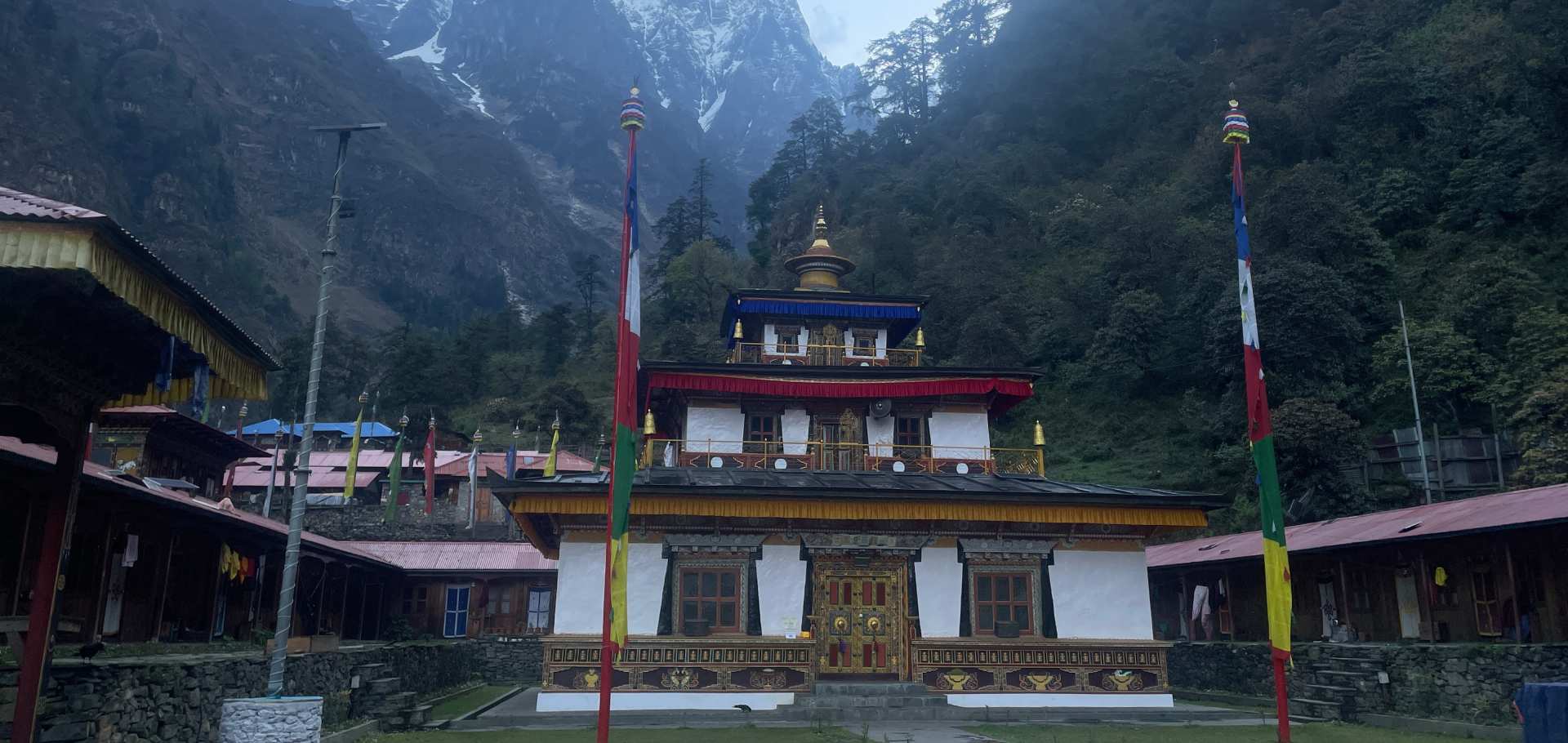
- Delve deep into the Hidden Valley's rich Buddhist heritage, including Mu Gompa, Ranchen Gompa, and the Milarepa Piren Phu Cave.
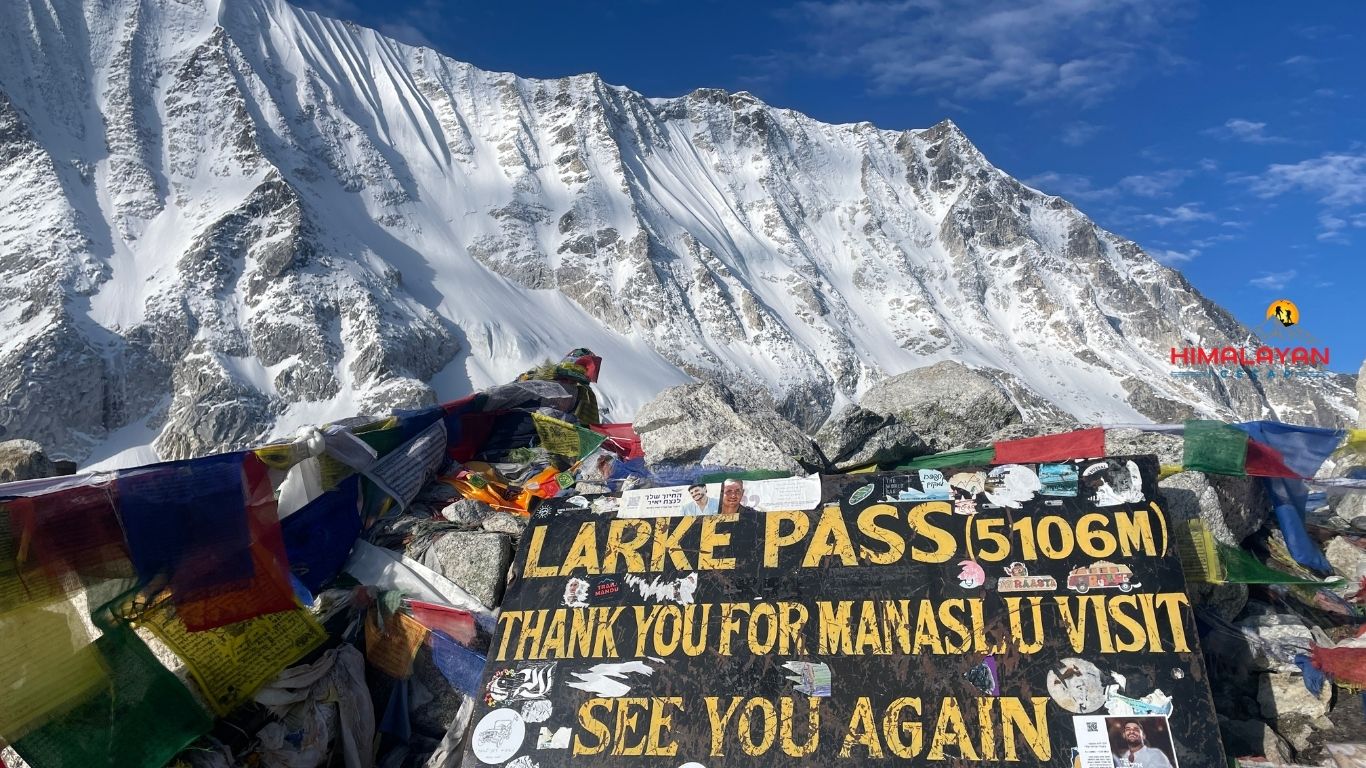
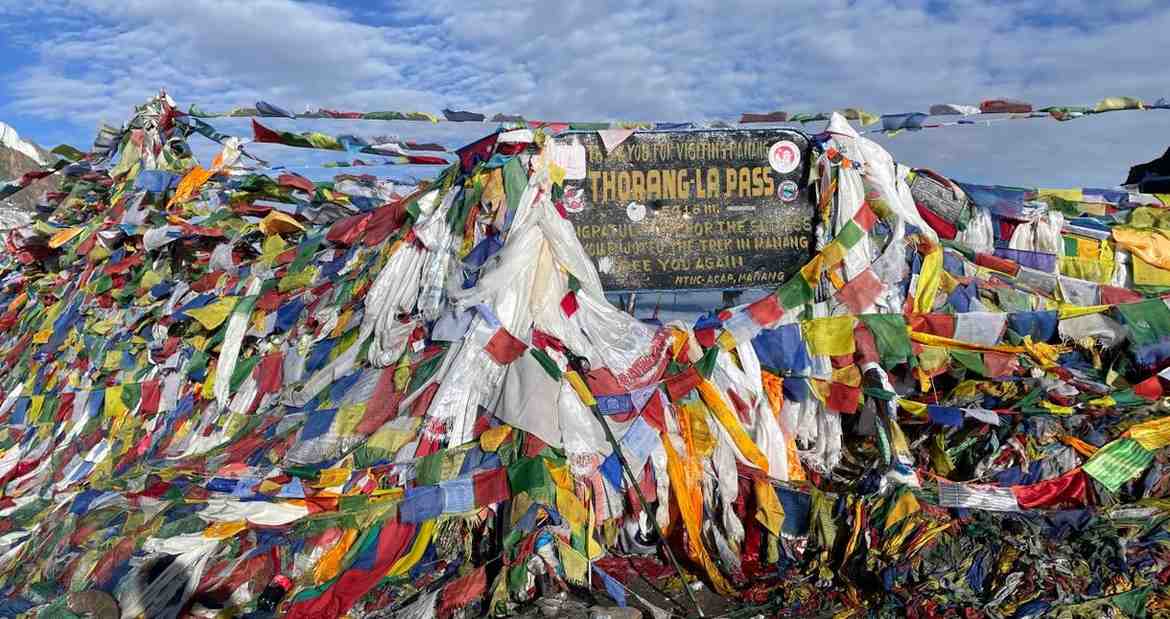
- Cross the Larkya La Pass (5106 meters), the highest point of the entire Tsum Valley Manaslu Circuit Trek.
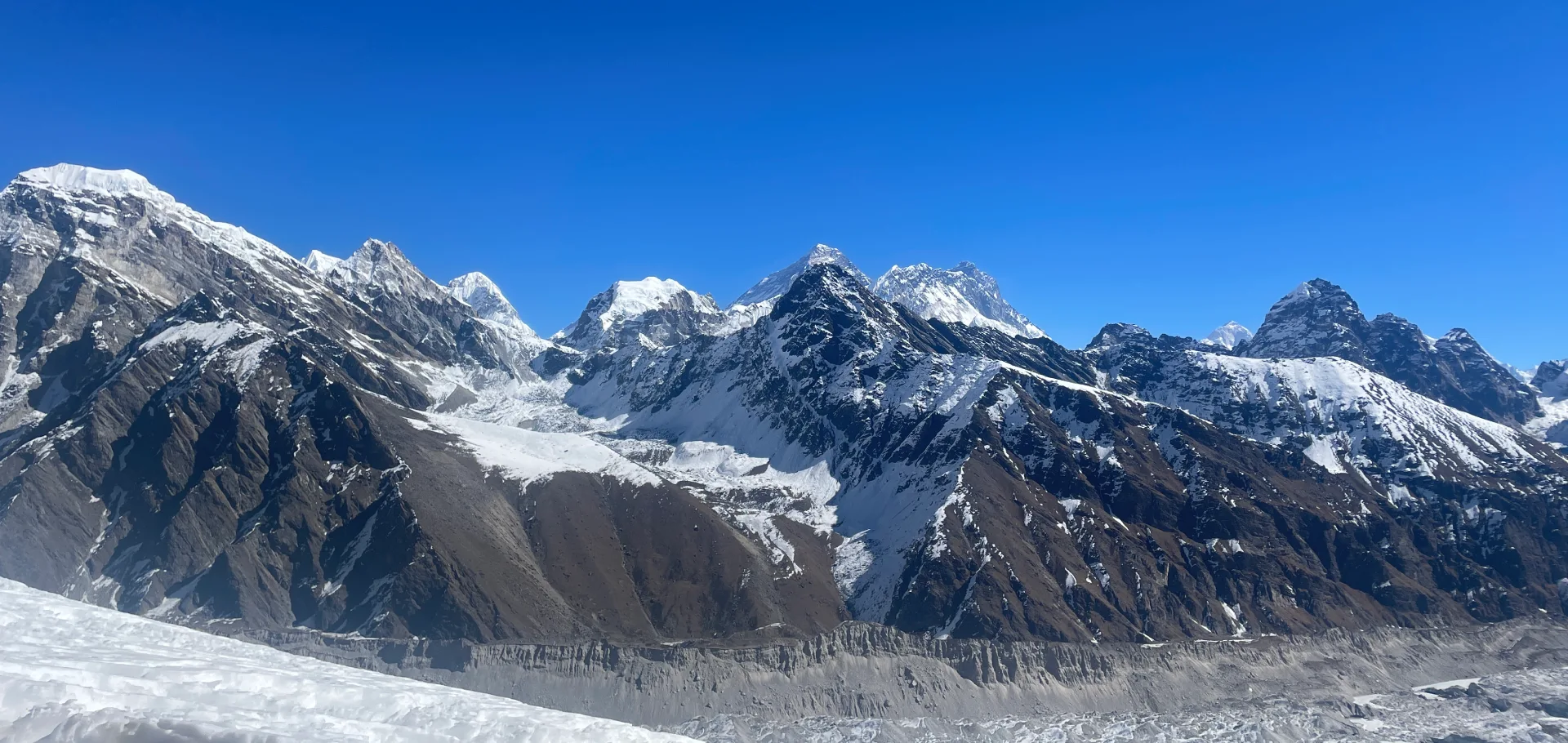
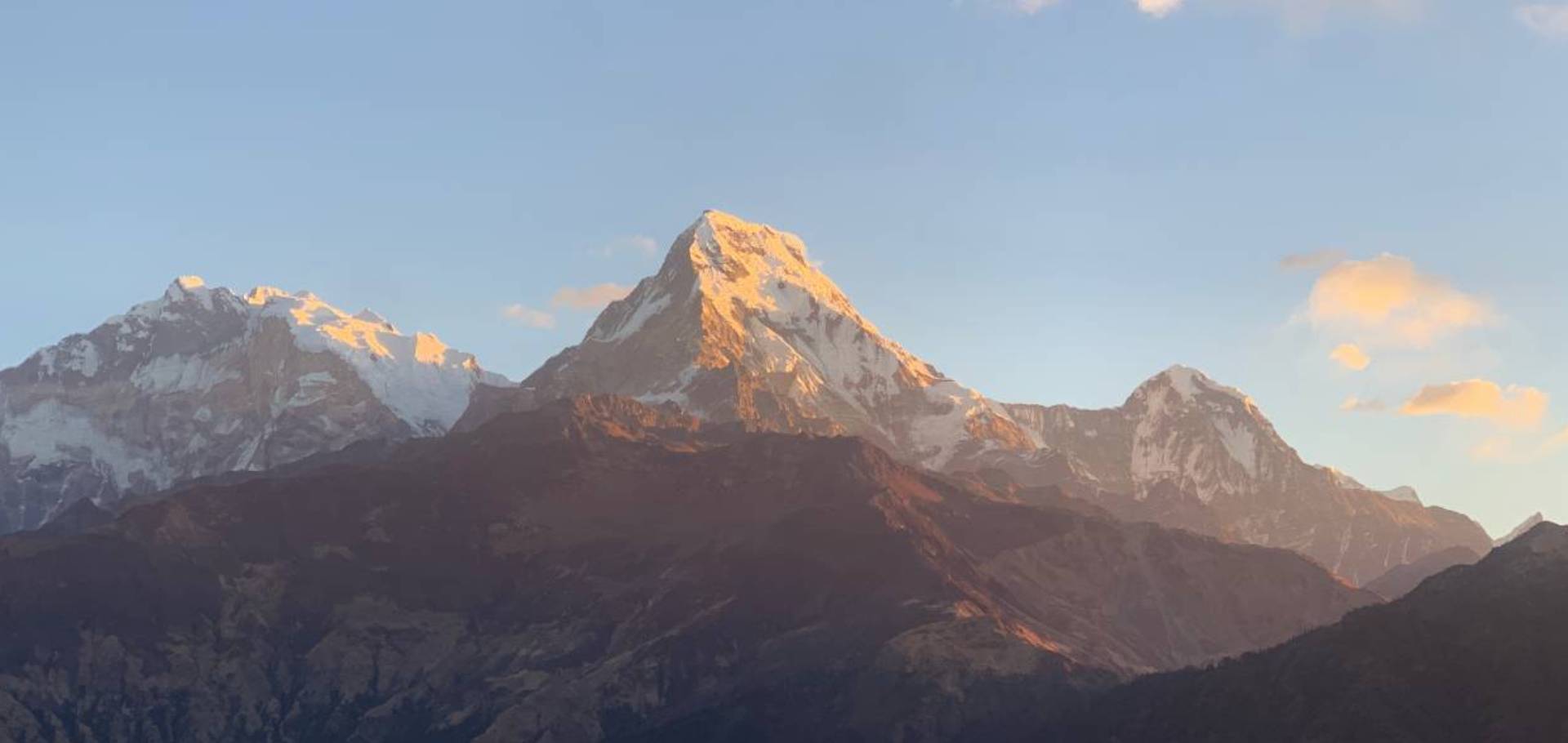
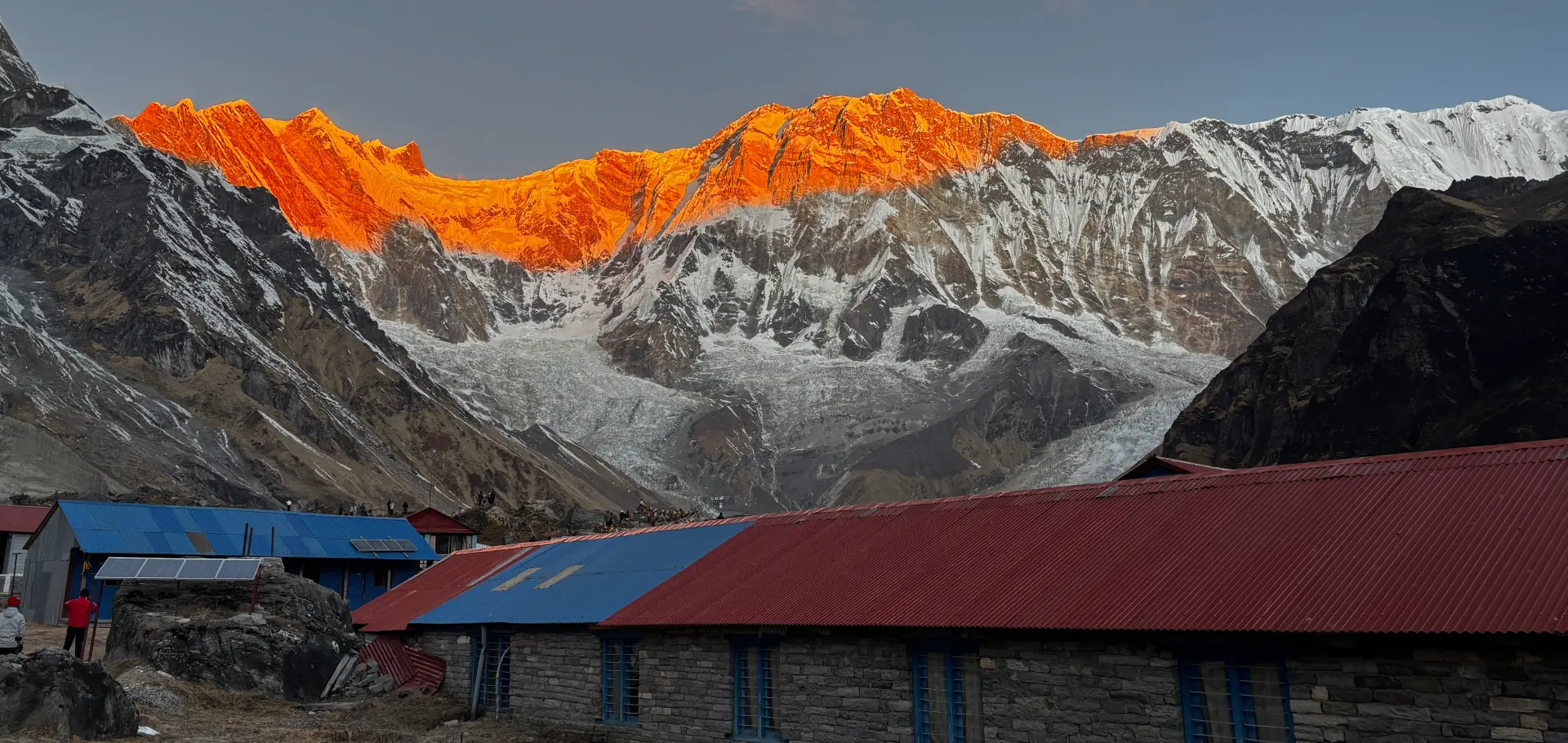
- Outstanding panoramas of the sky-towering Himalayas, like Mt. Manaslu (8,163 meters), Gangapurna (7,455 meters), Annapurna I (8,091 meters), Annapurna South (7,219 meters), and Annapurna III (7,555 meters).
- Immerse in the adventurous and exciting combination of the remote Tsum Valley and the classic Manaslu Circuit, both under one package.
- Walk through diverse ecological zones, including subtropical river valleys to alpine tundras and glacial moraines, in one continuous, scenic route.
- You might also be lucky to catch glimpses of blue sheep, Himalayan thars, marmots, and even snow leopards in protected conservation zones.
- The trekking journey also offers trekkers the chance to witness monks chanting in candlelit prayer halls.
- Enjoy some of the delicious locally prepared cuisines, including hukpa, tsampa, dal bhat, and fresh mountain yak cheese.
- Take yourself for a safe, secure, and well-organized trekking journey with nothing to worry about, except enjoying the lap of nature.
Tsum Valley Manaslu Circuit Trek Overview
The Tsum Valley Manaslu Circuit Trek stands as a once-in-a-lifetime Himalayan journey that seamlessly blends spiritual immersion, natural grandeur, and raw adventure. Besides, this 20-day journey in the Manaslu region takes you deep into the sacred Tsum Valley, also known as the "Hidden Valley of Happiness". Furthermore, the trekking journey also ascends to the Larkya La Pass, an alpine pass located at an altitude of 5,106 meters above sea level. Just imagine spending some precious days far away from the bustling city areas and on a remote route that offers an authentic trekking experience.
This 20-day Tsum Valley Trek with Manaslu Circuit begins as you arrive at the Tribhuvan International Airport (Kathmandu). On the second day, we drive from Kathmandu to Machha Khola, which takes about 6 to 7 hours. As you ascend through lush forests, narrow gorges, and ancient stone villages, you'll enter the Tsum Valley. Just as you enter, you can notice a mystical enclave adorned with mani walls, prayer wheels, Mu Gompa, and sacred caves like Milarepa’s Piren Phu. Furthermore, with every step, the presence of Tibetan Buddhist culture becomes stronger.
Furthermore, we also pass through several traditional and beautifully settled villages, including Jagat, Lokpa, Chumling, Chhokang Paro, before reaching Mu Gompa. Throughout these villages, you can expect the locals to welcome you with great happiness and smiling faces. Besides, the landscapes also feature transformation from dense pine forests to glacial valleys as we leap higher on the Tsum Valley Manaslu Circuit Trek map. The ultimate challenge of this entire journey comes when we make our final walk to the Larkya La Pass, which is also a reward to the trekkers.
Finally, after all of these ascents, we descend and return to Kathmandu through villages like Bimthang and Tilije. With a final scenic drive from Besisahar to Kathmandu, we put an official end to the 20-day Tsum Valley Manaslu Circuit Trekking package.
Why the Himalayan Ice Cap?
Choosing the right travel agency and guides for the Tsum Valley with Manaslu Circuit is about trust, safety, and the kind of once-in-a-lifetime experience. At Himalayan Ice Cap, we’re not just leading treks; instead, we tend to craft unforgettable Himalayan journeys tailored to every adventurer’s spirit.
Besides, here are a few points why you should choose the Himalayan Ice Cap for the Tsum Valley Manaslu Circuit Trek package:
- Himalayan Ice Cap ensures that licensed, highly experienced, and seasoned guides lead the trek. Besides, they also possess fluent English, so they can assist you in interacting with the locals.
- Our team prioritizes your health and comfort by adjusting walking pace, acclimatization days, and logistics based on your needs.
- With the Himalayan Ice Cap, what you see is what you get. Our packages include all necessary permits, meals, accommodation, guide fees, and transport, with no surprise expenses mid-trail.
- We also ensure to arrange warm, hygienic lodgings and healthy, energizing meals to keep you fuelled and rested, even in the most remote sections of the trek.
- The Himalayan Ice Cap team follows strict safety standards with a well-defined high-altitude emergency plan. This includes oxygen support, pulse oximeter monitoring, and immediate evacuation arrangements when needed.
- Himalayan Ice Cap is committed to low-impact trekking. We support local economies, hire regionally, reduce waste, and promote environmental stewardship on every trail.
- From your first inquiry to the final descent, our team provides dedicated support. This includes gear recommendations, permit handling, travel coordination, and round-the-clock availability.
Permits for Tsum Valley Manaslu Circuit Trek
Before setting off on your incredible journey through the Tsum Valley and around the Manaslu Circuit, it’s important to know that this region falls under both restricted and conservation zones in Nepal. Do you know what that means? Well, it means that the trekkers must obtain a couple of permits before going for the Tsum Valley with the Manaslu Circuit Trek. Here are the permits:
- Manaslu Restricted Area Permit (MRAP).
- Manaslu Conservation Area Permit (MCAP).
- Tsum Valley Restricted Area Permit.
- Annapurna Conservation Area Permit (ACAP).
- Trekkers' Information Management System (TIMS).
Best Seasons for the Tsum Valley Manaslu Circuit Trek
The best time to go on the Tsum Valley Manaslu Circuit Trek is during the spring (March to May) and autumn (mid-September to November) seasons. These months offer the most favourable weather, stable temperatures, and clear skies, allowing for stunning views of the Himalayas, including Mt. Manaslu and the Ganesh Himal range. Spring welcomes trekkers with blooming rhododendrons and lush greenery, while autumn follows the monsoon rains, leaving the trails vibrant and refreshed.
Although winter (December to February) can be peaceful and less crowded, it also brings cold temperatures and potential snowfall, especially over the Larkya La Pass. Conversely, the monsoon season (June to August) is not recommended due to heavy rain, slippery trails, and the risk of landslides. Therefore, if you’re seeking the most comfortable conditions and unforgettable Himalayan views, spring and autumn remain the top choices.
Tsum Valley Manaslu Circuit Trek Difficulty
The Tsum Valley Manaslu Circuit Trek is considered moderate to strenuous, combining high-altitude adventure with remote Himalayan exploration. Besides, the route gradually climbs from 800 metres to over 5,100 metres at Larkya La Pass, making altitude one of the trek’s biggest challenges. Even though the Tsum Valley Manaslu Circuit Trek is not technical, trekkers must be prepared for long days of walking (5–8 hours) on rugged trails, steep ascents, and rocky descents. Also. let us tell you that the weather conditions can vary greatly, with snow and wind at higher elevations adding to the difficulty. Moreover, the terrain also includes narrow cliffside paths, suspension bridges, and glacier-fed rivers, demanding steady balance, strong legs, and endurance.
Besides, this trekking trail also gets difficult due to its remoteness, with higher altitude having fewer teahouses and basic services. Therefore, we recommend the trekkers to go for both physical fitness and mental resilience. Moreover, you must also be prepared for high-altitude problems, including Acute Mountain Sickness (AMS). Therefore, make sure to take proper care of yourself and follow the instructions provided by the Sherpa guides.
Preparation for Tsum Valley Manaslu Circuit Trek
Preparing for the Tsum Valley Manaslu Circuit Trek is essential, not just for enjoying the journey, but for ensuring your health and safety along one of Nepal’s most remote and high-altitude trekking routes. This combination of cultural exploration and alpine adventure demands both physical and mental resilience. Start your preparation early, so you arrive in Nepal ready to walk long days, adjust to altitude, and embrace the challenges with confidence.
Here are the key preparation tips for a successful trek:
- Start training at least 6-8 weeks in advance, focusing on cardio fitness, leg strength, and overall stamina.
- Include uphill hiking, stair climbing, and long walks in your routine to simulate trail conditions.
- Practice trekking with a loaded backpack (8-10kg) to build endurance and get used to your gear.
- Break in your trekking boots well before departure to prevent blisters and discomfort on the trail.
- Build mental toughness: Altitude, isolation, and unpredictable weather can test your patience and mindset.
- Understand altitude sickness (AMS): know its symptoms and how to respond if they appear.
- Stay hydrated and eat well before and during the trek to maintain energy and acclimatise more easily.
- Pace yourself wisely: Slow, steady walking is safer and more sustainable at high elevations.
- Take rest and acclimatisation days seriously, especially above 3,000 metres. Your body needs time to adjust.
Food and Accommodation during the Tsum Valley Manaslu Circuit Trek
Accommodation along the Tsum Valley Manaslu Circuit Trek consists primarily of traditional tea houses, which offer simple but welcoming lodging. Rooms are basic, usually twin-shared, with communal toilets, and while the facilities may be rustic, they are clean and sufficient for the trekking environment. As you ascend, amenities become more limited, so it’s best to adjust your expectations and embrace the authentic Himalayan lifestyle. Meals typically include a hearty selection of Nepali and Tibetan dishes, with dal bhat (rice, lentils, and vegetables) being the staple energy source.
Furthermore, you will also find noodles, pasta, soups, pancakes, and seasonal vegetables, though options become more limited in the remote villages of Tsum. Besides, meat is occasionally available but not always fresh, so vegetarian meals are a safer and more sustainable choice. Hot beverages like tea, coffee, and garlic soup are commonly served and are perfect for warming up at altitude. Despite the simplicity, the food is wholesome, filling, and often made with love by local families.
Packing List for Tsum Valley Manaslu Circuit Trek
The Tsum Valley Manaslu Circuit Trek spans diverse climates, from warm river valleys to cold alpine passes, so packing smart is essential. Since teahouses in this region are basic and amenities are limited, you’ll need reliable gear to stay warm, dry, and comfortable throughout the journey. Below is a comprehensive packing list, grouped into key categories:
Clothing
- 2-3 moisture-wicking base layer T-shirts (synthetic or merino wool)
- 1-2 thermal tops and bottoms for cold mornings and nights
- 1 fleece or soft-shell jacket for insulation
- 1 lightweight down or insulated jacket
- Waterproof and windproof shell jacket (Gore-Tex or similar)
- 2 pairs of trekking pants + 1 pair of thermal leggings
- 1 pair of waterproof trousers
- 1 comfortable pair of joggers or pants for evenings
- 4-5 pairs of trekking socks (wool/synthetic)
- 4-5 pairs of moisture-wicking underwear
- Warm beanie, sunhat, buff, or neck gaiter
- Inner liner gloves + waterproof insulated gloves
Footwear
- Well-broken-in trekking boots (waterproof recommended)
- Lightweight sandals or camp shoes
- Gaiters (optional but useful in snow or muddy trails)
Toiletries & Personal Care
- Biodegradable soap, shampoo, and toothpaste
- Quick-dry towel
- Wet wipes and hand sanitiser
- Sunscreen (SPF 30+) and lip balm with SPF
- Menstrual hygiene products (as needed)
- Toilet paper and a small trowel (some areas lack facilities)
- First Aid & Health
- Personal medications and prescriptions
- Diamox for altitude (consult your doctor)
- Blister treatment: Compeed, moleskine, or tape
- Painkillers: paracetamol or ibuprofen
- Anti-diarrheal meds (e.g., Imodium)
- Oral rehydration salts (ORS)
- Insect repellent for lower altitudes
- Water purification tablets or SteriPEN
Electronics & Documents
- Headlamp with extra batteries
- Power bank (solar charger is a bonus)
- Smartphone or camera
- Universal travel adapter (Type C/D/M for Nepal)
- Copies of passport, permits, and insurance
- Extra passport-sized photos (for permits)
- Trekking map or GPS app (Maps.me, Gaia GPS)
Other Essentials
- Reusable water bottle or hydration bladder (2–3L)
- Energy bars, trail mix, or comfort snacks
- Trekking poles (recommended for Larkya La Pass)
- Lightweight backpack cover or rain poncho
- Small daypack (for daily essentials)
- Duffel bag or large backpack for porters (15–20kg max)
- Sleeping bag (rated to -10°C to -15°C) – teahouses can get cold at night
Book the Manaslu Circuit with Tsum Valley Trek Now!
Ready to take the road less travelled? The Manaslu Circuit with Tsum Valley Trek is your chance to experience one of Nepal’s most spiritually rich and scenically stunning trekking routes. From snow-capped peaks and dramatic gorges to ancient Buddhist monasteries tucked in secluded highlands, this journey blends raw Himalayan adventure with deep cultural immersion.
At Himalayan Ice Cap, we make your journey seamless, safe, and unforgettable, from the first inquiry to the final farewell. Our expert Sherpa guides, carefully curated itineraries, and transparent, all-inclusive pricing ensure that your experience is as rewarding as the landscape itself. Whether you're trekking solo, with friends, or joining a small group, we tailor every detail to match your pace, needs, and expectations.
Book now to:
- Lock in your preferred dates
- Get permit processing started
- Receive your pre-trek preparation guide
- Enjoy early-bird offers (subject to availability)
Itinerary
The 19-day Tsul Valley Manaslu Circuit Trek package begins as you land in the Tribhuvan International Airport, Kathmandu. As our local representatives receive you at the airport, they will drive you to the hotel. After receiving a warm welcome from the hotel staff, you can check into your room. Once checked in, take time to unwind or explore the nearby neighbourhoods filled with artisan shops, rooftop cafés, and cultural curiosities.
In the evening, we’ll meet for a trek briefing where you’ll get to know your guide and team members. If there’s time, you might enjoy a stroll through Thamel’s lively alleys or relax with a Nepali dinner as you prepare for the incredible trek ahead. Overnight at a comfortable hotel in Kathmandu.
The second day marks the beginning of our journey towards the trekking region as we go for a drive to Machha Khola. The journey starts immediately after you have your breakfast and pack your backpack. This journey takes you through lush countryside, terraced farms, and river valleys, with the distant peaks of the Himalayas occasionally peeking through the clouds. Moreover, the drive also follows the Trishuli and Budhi Gandaki rivers, gradually transitioning from urban sprawl to rural tranquility.
Within 6 to 7 hours of driving, we will reach Machhakhola, a peaceful riverside village settled in a deep valley. Besides, this quiet stop also serves as a perfect place to rest before ascending the Tsum Valley Manaslu Circuit Trekking trail. With healthy and hygienic meals, warm hospitality, and welcoming smiles, you will certainly love spending a night here in Machha Khola.
From today, we begin the walking stretch on the Tsum Valley Manaslu Circuit Trekking map. As you wake up and have breakfast, the guides will lead you on a trail that goes northward along the Budhi Gandaki River. Besides, the path takes us through narrow gorges, past small Gurung villages, cascading waterfalls, and lush sub-tropical forests. So, you will also witness different floras, enter several small settlements, and interact with the locals. Besides, to make this walk more adventurous, we will also cross several suspension bridges.
With 5 to 6 hours of relatively easy walking, we make our way to Jagat, a village sitting at 1340 meters above sea level. This traditional checkpoint village with a stone-paved square welcomes trekkers with all its heart. Besides, you can also witness its quaint teahouses, ancient mani walls, and stunning views of the surrounding hills. With all these features, Jagat serves as a cultural and logistical gateway into the restricted area of the Tsum Valley.
On the fourth day, we leave Jagat and ascend towards Lokpa. This section of the Manaslu Circuit Tsum Valley Trek begins to climb steadily as we pass through scattered hamlets and terraced hillsides. Besides, we can also notice the landscape turning into a rugged and remote one with each step. However, the trail from Jagat to Lokpa also offers glimpses of wild waterfalls, bamboo forests, and towering cliff faces. By midday or afternoon, which is in about 4 to 5 hours, we reach Lokpa (2240 meters).
Did you know that Lokpa sits as the first official village inside the Tsum Valley region? Besides, pristine forests and soaring ridgelines surround this beautifully settled village, which offers a peaceful introduction to this culturally rich and less-trodden trail. Moreover, trekkers can also feel the shift in energy as prayer flags flutter above and ancient Buddhist symbols begin to appear more frequently along the path. Overnight stay and dinner will be arranged in a cozy guesthouse by our team.
After a fulfilling and delicious breakfast, the guides lead you on a gradually ascending trail. This route from Lokpa to Chumling follows a narrow path that winds through pine forests and past dramatic cliffs. Besides, the trail also includes steep climbs and descents, with stunning views of Baudha Himal and Ganesh Himal appearing as we gain elevation. Also, we recommend the trekkers to be attentive, as you might also witness Himalayan monals, langurs, and mountain goats on the way.
By the afternoon, the trekkers enter Chumling, a village settled at an altitude of 2386 meters above sea level. This village consists of stone houses, prayer wheels, and classic Tibetan architecture. All these features introduce you to the deep spiritual heritage of the Tsum Valley. Other than that, we also recommend that you stroll around the village and interact with the locals before having dinner and sleeping.
Today marks our entrance into the high-altitude alpine region of the Manaslu Tsum Valley Trekking map. After breakfast, we leave on a steadily ascending trail that takes us through ancient pine forests and across suspension bridges. Furthermore, this section of the journey also reveals majestic views of Ganesh Himal and the surrounding snow-capped peaks. As we keep on with the ascent, we can notice the air becoming crisper and the terrain more rugged. Furthermore, every step on this part of the Tsum Valley Manaslu Trekking journey takes us past mani walls, prayer wheels, and colourful chortens.
It takes about 5 to 6 hours for us to reach Chhokang Paro, a cluster of traditional Tibetan-style homes spread across a wide glacial valley. Sitting at an altitude of 3010 meters above sea level, the village also provides a dramatic Himalayan panorama. Furthermore, the trekkers can also experience the Tsumba Hospitality.
Another day calls for another alpine adventure as we leave Chhokang Paro and continue towards Nile, a village at an altitude of 3,361 meters above sea level. This section of the trek follows a relatively gentle incline along a wide, open valley dotted with yak pastures and ancient chortens. However, as we gain altitude, the vegetation thins and the cultural atmosphere deepens. Moreover, the route also goes past several gompa and scattered settlements like Lamagaon and Milarepa’s Cave (Piren Phu). Let us tell you that Milarepa's Cave sits as a site of great spiritual significance, said to have been meditated in by the revered saint Milarepa.
It takes about 4 to 5 hours to reach Nile, the last permanent settlement before Mu Gompa. This village sits against a dramatic backdrop of cliffs and glaciers and offers an awe-inspiring setting to rest and prepare for tomorrow’s high-altitude exploration.
Today is dedicated to acclimatisation and spiritual immersion. After breakfast, we hike to Mu Gompa, one of the most sacred monasteries in the region. Sitting high at 3,700 metres, it offers not only spectacular views of the surrounding peaks and glaciers, but also a glimpse into the monastic life of Tsum Valley. Monks here live in peaceful seclusion, preserving centuries-old rituals and teachings.
For those with extra energy, a short hike leads to Dhephyudonma Gompa (4,060m), the highest point reached during this part of the trek. It’s a powerful place to meditate, soak in panoramic vistas, and honour the deep spirituality of the Himalayas. After some time to explore, we descend back to the Nile for a restful night, fully acclimatised for the next phase of the journey.
After so many days ascending on the Tsum Valley Manaslu Circuit Trekking map, it's finally time for us to begin the retracing walk. On the ninth day, we descend from the Nile to Chumling, which takes about 5 to 6 hours. Besides, the trail steps through wide pastures, quiet villages, and fluttering prayer flags. Even though it's a descending journey, it requires your legs to be very strong. However, this walk also offers chances to fully absorb the sacred landscape and revisit the communities that make the Tsum Valley special.
As you reach Chumling, the locals will again welcome you with a warm smile. Besides, you can also experience warmer air and notice a change in the temperature. In the evening, we recommend that you stroll around the village. After that, our team will arrange food and accommodation in Chumling for the night.
Today, we begin transitioning out of the Tsum Valley and back onto the Manaslu Circuit trail. The trail winds down through mixed forest and past cascading waterfalls, rejoining the Budhi Gandaki River. This is a great day to reflect on how much you’ve experienced, from isolated gompas to glacier-fed valleys, while enjoying the rhythm of descent.
We reach Deng, a small but lively settlement that feels noticeably different from the quiet of Tsum. Here, the Manaslu Circuit begins to assert its rugged charm, with river views and sharper ascents ahead. Enjoy your evening relaxing in the lodge, resting your legs, and preparing for the journey toward Manaslu Base Camp in the coming days.
Today, our journey continues westward and the trail gradually ascends through a tapestry of alpine vegetation. Furthermore, this section of the Tsum Valley Manaslu Circuit Trekking map passes through forests of fir, pine, and rhododendron, occasionally catching glimpses of the Budhi Gandaki River cutting deep into the gorge below. As we walk for some time, the trail meanders through charming settlements like Rana and Bihi Phedi. This is also where Tibetan-influenced architecture and mani walls reflect the spiritual significance of this region.
With about 5 to 6 hours, we will reach Namrung, one of the more prominent villages in the lower Manaslu region. Sitting above the terraced fields and surrounded by soaring ridgelines, Namrung offers stunning views of Ganesh Himal and Siringi Himal. Furthermore, Namrung is also sits as a great place to observe the shifting culture. Besides, the trekkers can expect a walk from the Gurung communities of the lower valley to the more Tibetan-influenced villages further ahead. Overnight stay and dinner will be arranged in Namrung for the night
Today’s journey takes you into the heart of the Manaslu region. As we trek higher, the terrain becomes increasingly alpine and the villages more traditional. En route, we’ll pass Lho, home to the magnificent Ribung Monastery and the first truly unobstructed views of Mt. Manaslu (8,163m). The air is crisp, and the mountains feel close enough to touch.
By late afternoon, we reach Shyala, a scenic settlement surrounded by Himalayan giants. Peaks like Himalchuli, Ngadi Chuli, and Manaslu dominate the skyline, especially at sunrise and sunset. Shyala is more than just a stop; it’s a visual symphony of snow, stone, and sky, offering trekkers a quiet, windswept stage to rest and reflect.
Today’s route is short in distance but rich in exploration. We take a side trip to the revered Punggen Gompa, a secluded monastery perched on a ridge with a front-row view of Manaslu’s imposing face. The silence here is profound, broken only by the occasional flutter of prayer flags in the wind. You’ll have time for photos, light meditation, or simply soaking in the ethereal scenery.
After the visit, we descend gently to Samagaun, the cultural and logistical hub of the upper Manaslu region. The village is home to ethnic Nubri people and traditional stone houses, as well as the beautiful Kargyu Chholing Monastery. Spend your evening enjoying hot meals, connecting with fellow trekkers, and preparing for tomorrow’s challenging acclimatization hike.
Acclimatisation is key to safe and enjoyable high-altitude trekking, and today’s hike to Manaslu Base Camp (4,800m) serves that purpose brilliantly. The trail ascends steadily over lateral moraines, glacial streams, and scattered yak herding shelters. As you gain elevation, the views become increasingly dramatic, revealing the Manaslu Glacier, Naike Peak, and the towering North Face of Manaslu.
Reaching the base camp is a proud and emotional moment, standing beneath one of the world’s highest peaks in a landscape carved by ice and time. After some time for rest and photographs, we descend to Samagaun for a hot meal and well-deserved rest. This acclimatisation hike significantly improves your body's readiness for crossing the Larkya La Pass in the coming days.
Today, we descend on a trail that follows a high alpine valley, gradually rising along the banks of the Budhi Gandaki River. As we begin the trail after breakfast, we can notice the vegetation thinning, replaced by glacial landscapes and vast pastures grazed by yaks. Even after being a relatively short hike, it is very important to allow our bodies to adjust further to the altitude without overexertion.
By midday, we arrive at Samdo, a remote settlement just a few kilometers from the Tibetan border. The village is a unique fusion of Tibetan culture and raw Himalayan wilderness. With fluttering prayer flags, ancient mani stones, and panoramic views of Samdo Peak, this highland hamlet feels like the end of the earth, yet it’s a place of warmth, resilience, and spiritual depth.
After a nourishing breakfast in Samdo, the trek continues upward toward Dharamsala, also known as Larke Phedi, the staging point for crossing the formidable Larkya La Pass. The trail is relatively short but becomes increasingly barren and windswept as we gain altitude. Along the way, you’ll see scattered prayer flags and pass under glacial moraines that hint at the raw power of this alpine environment.
We arrive at Dharamsala by midday, giving us time to rest and acclimatise before tomorrow’s big challenge. Facilities here are basic but functional, and the camaraderie among trekkers builds as everyone gears up for the iconic crossing. Early to bed is advised, as the following day begins before dawn and demands strong mental and physical readiness.

Today marks the most exhilarating and demanding segment of the entire Tsum Valley Manaslu Circuit Trek. We begin well before sunrise, slowly ascending under starlight towards Larkya La Pass (5,106m). The climb is gradual but long, traversing rocky, snow-covered terrain where microspikes may be needed. As you reach the prayer-flag-covered summit, you'll be rewarded with panoramic views of Himlung Himal, Cheo Himal, Kang Guru, and Annapurna II.
After celebrating this achievement, the trail descends steeply into Bimthang, a beautiful valley flanked by glacier fields and pine forests. The landscape shifts dramatically, and so does the air, warmer, thicker, and scented with rhododendrons. Reaching Bimthang is a triumphant moment, filled with emotion and gratitude. It’s the perfect place to rest and reflect on the epic journey across the Himalayas.
Leaving the highlands behind, we descend into greener, lusher terrain. The trail meanders through alpine meadows, rhododendron forests, and across glacial rivers via wooden bridges. You’ll pass charming villages like Yak Kharka and Kharche, where the sounds of cowbells and chirping birds replace the howling wind of the high passes.
We finally reach Tilije, a picturesque Gurung village that marks the return to civilisation. With its terraced fields and comfortable teahouses, Tilije is a welcome oasis after days in the rugged wilderness. Enjoy a warm shower, a hearty meal, and the satisfaction of having conquered one of Nepal’s most epic trekking routes.
Our Himalayan journey nears its end. We take a scenic drive down from Tilije to Besisahar, winding past cascading waterfalls, farmland, and dense forests that feel almost tropical compared to the high alpine regions we've left behind. After a short break in Besisahar, we continue our road journey back to Kathmandu, retracing our way through the hills and valleys of central Nepal.
The return drive offers one last opportunity to gaze out at the hills we trekked through and appreciate the distance covered on foot. By evening, we arrive back in Kathmandu, where you’ll check into your hotel, enjoy a hot shower, and maybe even celebrate with a traditional Nepali dinner. It's a return to comfort, but your heart will still be in the mountains.
Today, we mark an official end to the 20-day Tsum Valley Manaslu Circuit Trek. After breakfast, it’s time to bid farewell. Depending on your flight schedule, our team will transfer you to Tribhuvan International Airport. Whether you're heading home or onwards to another destination, you’ll carry with you not only photographs but also the profound memories of a transformative journey. From the sacred valleys of Tsum to the sky-touching passes of Manaslu, this trek leaves a mark on every soul who walks its trail.