
Top Highlights

Trip Duration
15

Max Altitute
5106M

Best Season
Sep-Nov to Mar- May

Trip Grade
Moderate

Group Size
2-30

Trek start-Ending place
KTM-KTM

Meal
B.L.D

Region
Manaslu Region
Highlights of Manaslu Circuit Trek with Sarang Gumba
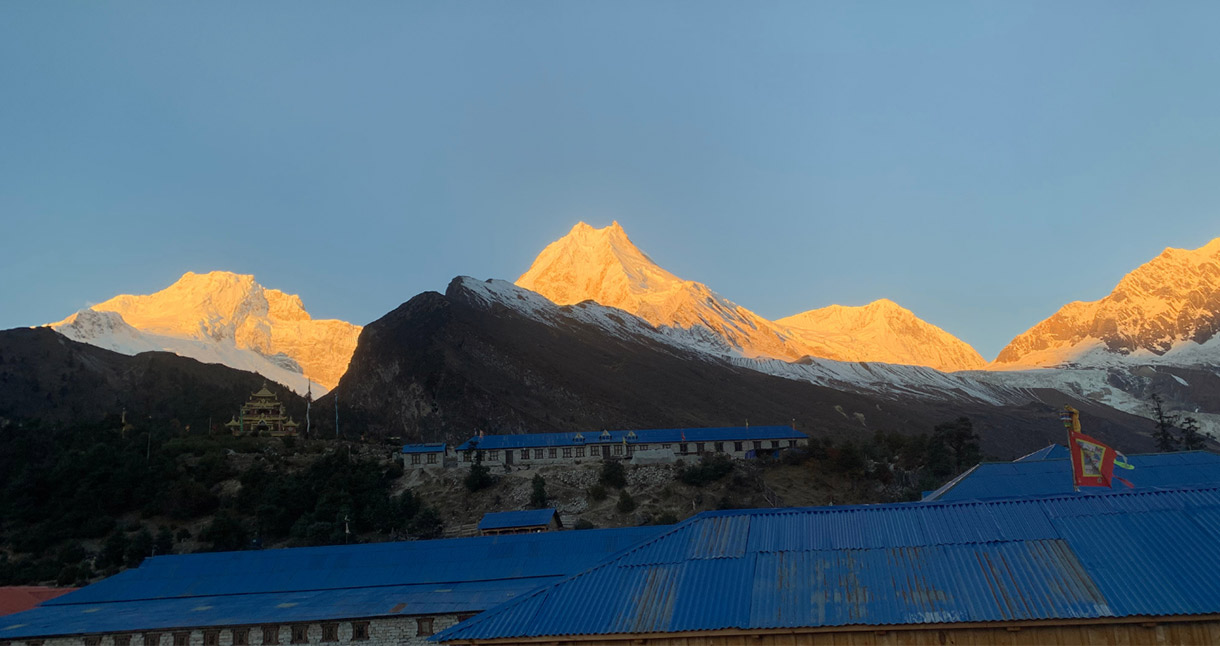
- Amazing experience of circuiting Mt. Manaslu, the eighth-highest peak in the world (8163 meters).
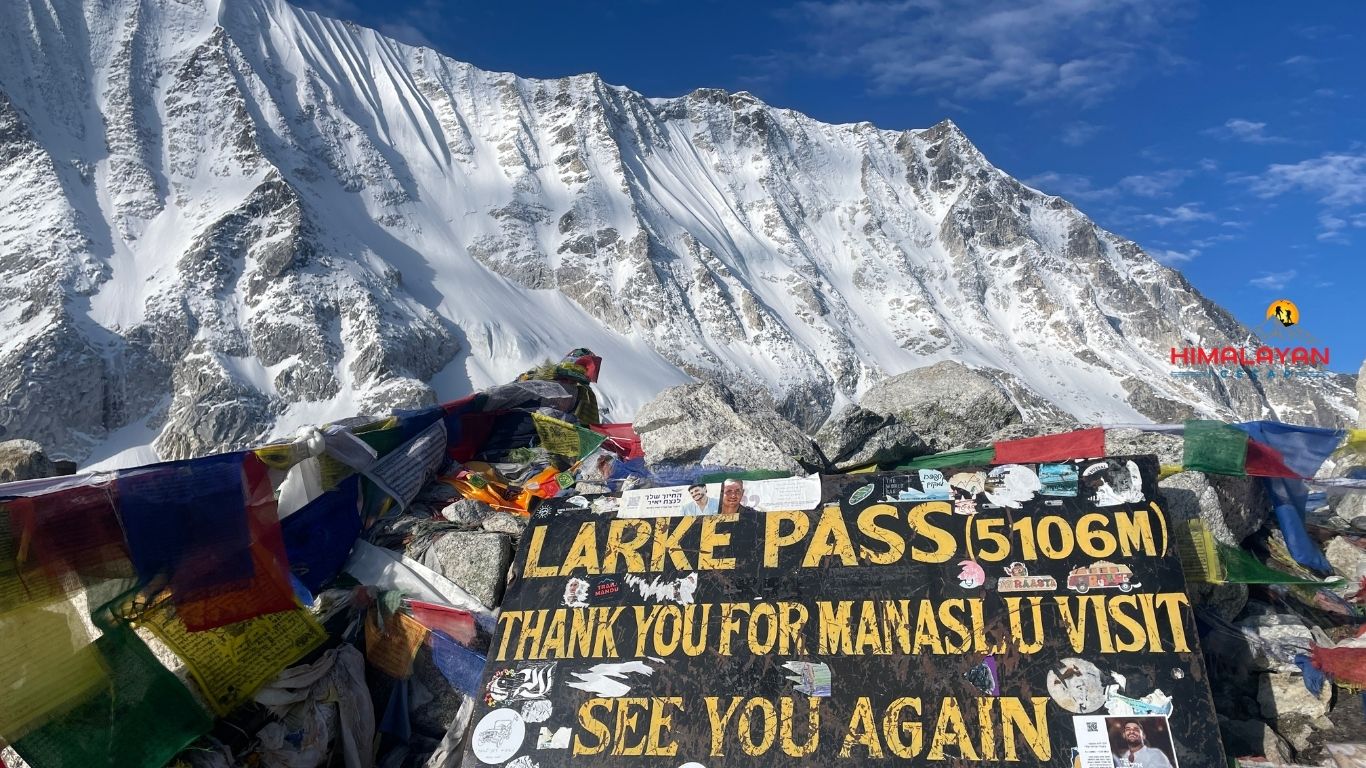
- Ascend to one of the highest passes, Larkya La Pass, located at an altitude of 5106 meters.
- Chances to stay at some of the most beautiful, peaceful, and traditionally settled villages throughout the route.
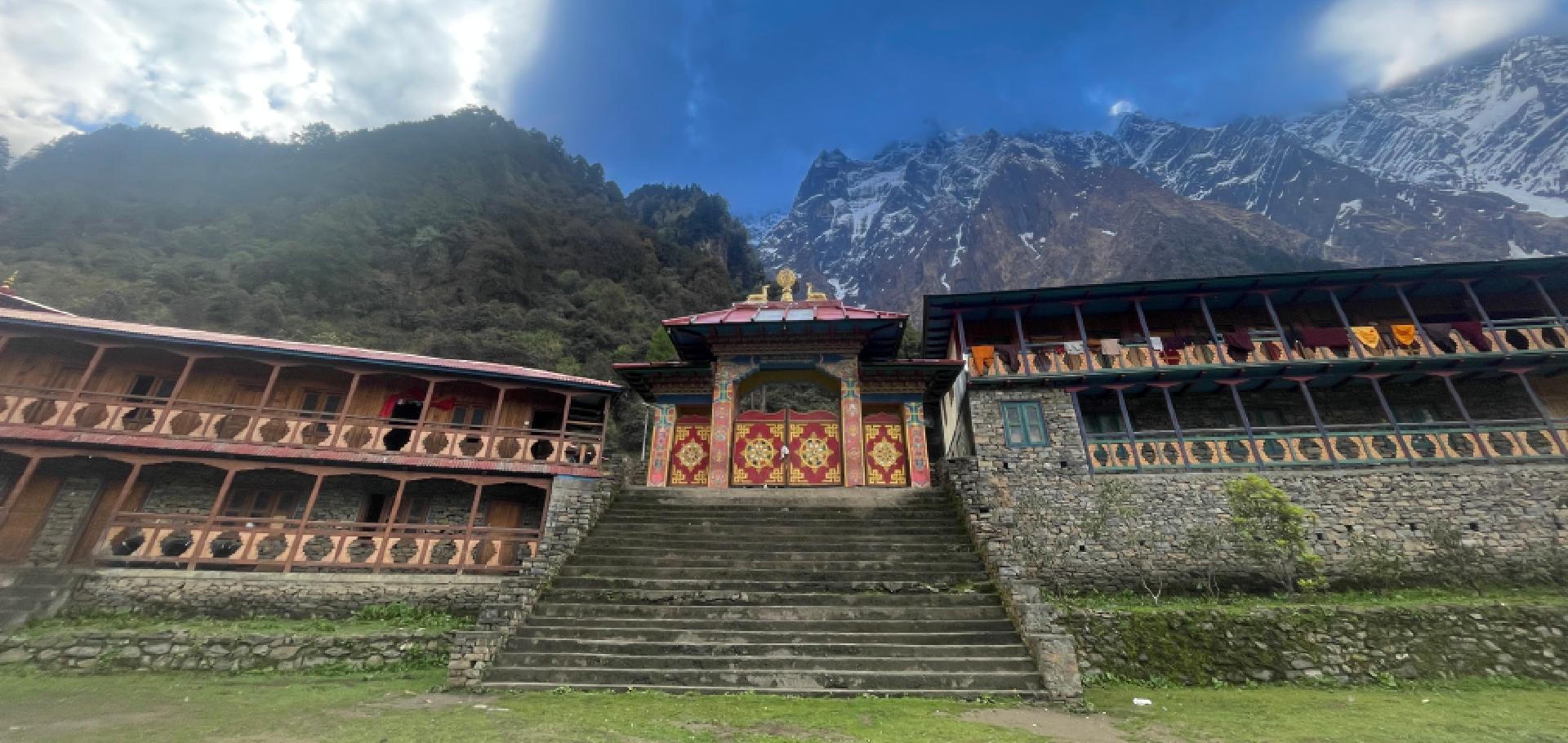
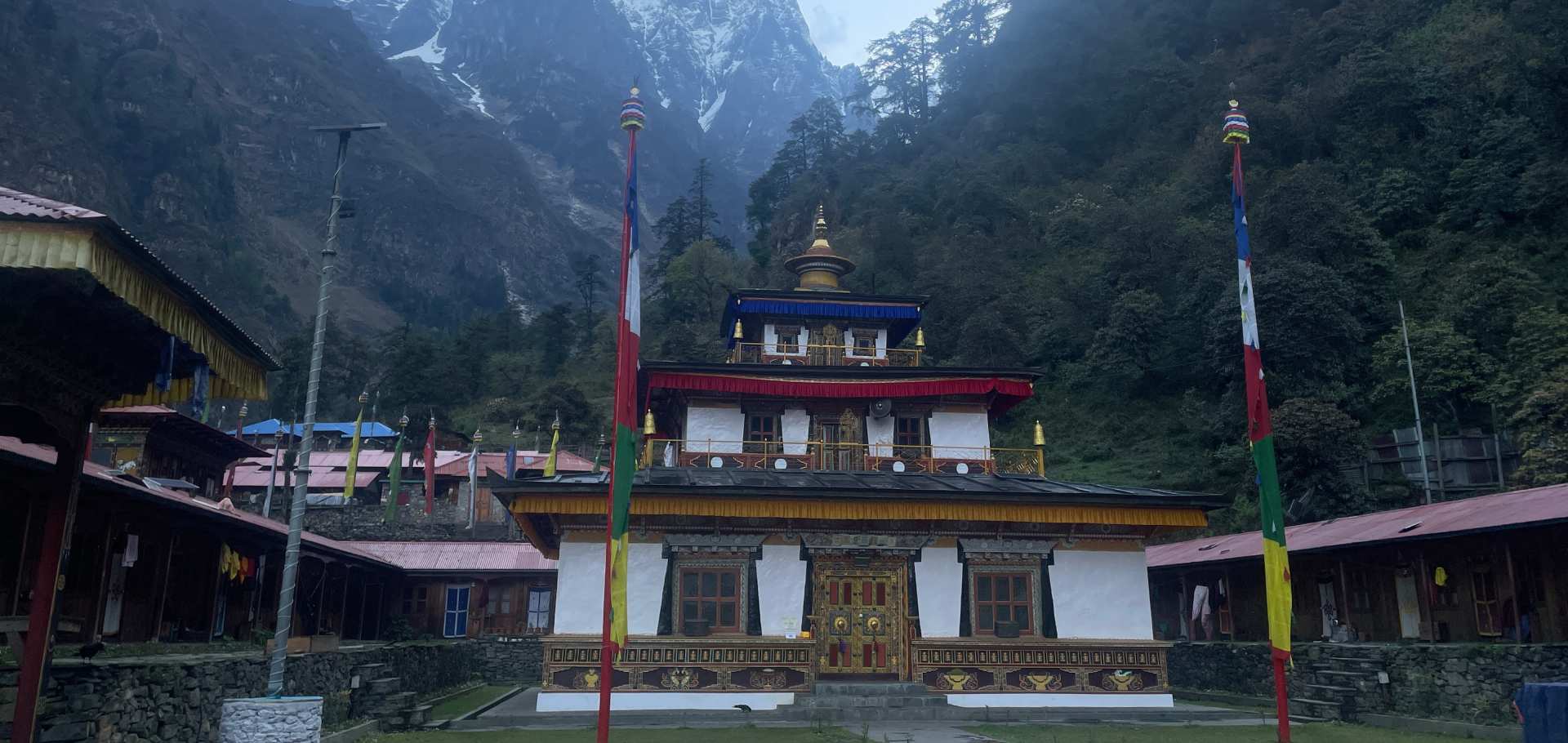
- An opportunity to meditate in the serene Gompa region, while also exploring one of the oldest monasteries in Manaslu, Serang Monastery.
- Delve deep into the beautifully fused Nepali Sherpa and Tibetan culture and their lifestyle.
- Walk through the monastery's routes, full of beautiful carvings, mani walls, and Buddhist Thangkas.
- Chances to try out several locally prepared foods and cuisines throughout the trail.
- Along the trail, you will also encounter various wildlife, including Danfe, Himalayan Tahr, Yaks, and more.
- This trekking trail is generally less crowded than the actual Manaslu Circuit Trek, offering a better experience and peace of mind.
Overview of the Manaslu Circuit Trek With Serang Gumba
Why Choose Himalayan Ice Cap?
- Locals leading the path: Our guides aren't just professionals; they grew up around these trails. They’ll share hidden stories, local legends, and the best tea houses for a hot cup after a long climb.
- Adventure at your pace: Whether you’re all about slow exploration or chasing summits, we tailor the trek so it fits your rhythm.
- Real cultural encounters: Visit ancient monasteries like Serang Gumba, connect with locals, and experience mountain life in its purest form.
- Safety before everything: Our team ensures the safety and security of the trekkers before anything else.
- Comfort in the rural: Even in the remote regions of the trek, the Himalayan Ice Cap team ensures tasty and cozy accommodations and hygienic and healthy food.
- Eco-friendly approach: Our team respects nature, and that's how our itineraries are planned, too. We also expect all our guests to do the same.
- No hidden surprises: Our packages do not hide any extra amount except for the one mentioned in the package details.
- 24/7 Availability: The Himalayan Ice Cap team will be there for you throughout the trek. Therefore, you will have someone besides you to help you in every step of the Manaslu Circuit with the Serang Gumba Trek.
Book the Manaslu Circuit Serang Gumba Trek Now!
So, are you ready to take on one of Nepal’s most extraordinary adventures? Make no delays in booking the Manaslu Circuit Serang Gumba Trek with Himalayan Ice Cap.
This outstanding trekking journey combines rugged Himalayan beauty, deep Tibetan Buddhist culture, and the thrill of crossing one of Nepal’s highest mountain passes. Believe us when we say that this trekking journey can be your chance to experience the serenity of hidden valleys, ancient monasteries, and awe-inspiring peaks; far from the crowds of Everest and Annapurna.
Booking the Manaslu Circuit Trek Serang Gumba with us is very easy. All you need to do is check the package cost on the right side of the page and click on the Book Now button. If you have any queries or questions, feel free to send us the queries via the Contact Us page. Moreover, you can also connect with our experts via email (info@himalayanicecap.com) or call us on +977-9861834427.
Permits for Manaslu Circuit Trek with Serang Gumba
- Trekkers Information Management System (TIMS)
- Manaslu Restricted Area Permit (MRAP)
- Manaslu Circuit Area Permit (MCAP)
- Annapurna Conservation Area Permit (ACAP)
Is Trekking Insurance Needed?
- Covers emergency evacuations: A helicopter rescue from the mountains can be very expensive, and insurance takes that financial worry off your shoulders.
- Medical coverage: High-altitude trekking can strain your body, and a good policy covers medical treatment in case of illness or injury.
- Trip interruptions and cancellations: Weather in the Himalayas can be unpredictable; insurance helps if flights get delayed or plans need to change.
- Lost luggage or gear protection: Sometimes bags don’t make it to the same place you do; your policy can help cover replacements.
Manaslu Circuit Trek Serang Gumba Difficulty Level
How to Prepare for the Manaslu Circuit Trek with Serang Gumba?
- Start Training Early: Begin cardio workouts like hiking, running, or cycling at least 6-8 weeks before the trek. Include stair climbs and leg-strengthening exercises to build endurance for steep ascents and descents.
- Get Comfortable with Altitude: If possible, try short hikes at higher elevations before your trip. This helps your body adapt better when you’re trekking above 4,000 meters.
- Pack Smart: Bring quality trekking gear; comfortable boots, moisture-wicking layers, a down jacket, and a reliable sleeping bag. The weather can shift quickly, especially near Larkya La Pass.
- Stay Hydrated and Eat Well: Dehydration can worsen altitude symptoms. Carry a reusable water bottle with purification tablets and keep healthy snacks like nuts and energy bars handy.
- Train Your Mind: Some days will be long and tough, but keeping a positive mindset helps. Enjoy the slow pace, the changing landscapes, and the local culture.
- Get the Right Permits and Insurance: Ensure you have the Manaslu Restricted Area Permit, ACAP, and MCAP, plus travel insurance that covers high-altitude trekking.
- Go with a Trusted Guide: The trails around Serang Gumba are remote. A licensed guide from a reputable company like Himalayan Ice Cap ensures safety, navigation, and cultural insight throughout your journey.
Best Seasons for Manaslu Circuit Trek with Serang Gumba
The spring season (March to May) and the Autumn season (September to November) sit as the perfect seasons for the Manaslu Circuit with Serang Gumba Trek.
In spring, the trail bursts into color with blooming rhododendrons, lush greenery, and crystal-clear mountain views. Trekkers can also expect pleasantly warm weather in the lower section of the trail and stable conditions as we go higher, making it ideal for both trekking and photography. This season also offers great visibility of Mount Manaslu and the surrounding peaks, with the added charm of lively local villages preparing for summer festivals.
Autumn, on the other hand, is the most popular trekking season in the region. As the sky is cleared after the monsoon, we will be in for sharp mountain panoramas and vibrant landscapes washed clean by the rains. Besides, in autumn, the temperature remains moderate, and the trails are dry, making it perfect for comfortable walking and high-altitude crossings like Larkya La Pass (5,106m).
Other than the nature and outstanding sightings, these seasons also take the trekkers deep into the cultural experiences. People in Nepal celebrate some major festivals like Dashain and Tihar in the autumn season. So, you can also be a part of those celebrations.
While winter (December–February) and monsoon (June to August) are less ideal due to snow and rainfall, experienced trekkers seeking solitude can still enjoy unique off-season beauty, with proper preparation and gear.
Food and Accommodation
Food and accommodation are two of the most important things to make any trekking journey adventurous, safe, and good to go. The Himalayan Ice Cap team makes sure to arrange hygienic and healthy food and accommodation for the trekkers throughout the Manaslu Circuit Trek with the Serang Gumba side trip.
Most nights are spent in cozy teahouses or small guesthouses run by local families. The rooms are usually basic but clean, expect twin beds with warm blankets, wooden interiors, and incredible mountain views right outside your window. In more remote stops like Serang Gumba or Dharamsala, accommodation gets simpler, but the charm of sleeping under the stars surrounded by towering peaks more than makes up for it. Other than that, we can also find a few monasteries offering shelter along the way, especially near Serang Gumba.
Talking about the food, we can expect hearty, home-cooked meals designed to keep trekkers energized for long days on the trail. The staple is the famous Dal Bhat, rice, lentil soup, and seasonal vegetables that never fail to fuel your next climb. Besides, the teahouses also serve noodles, soups, momos, pancakes, and Tibetan bread, often prepared fresh in rustic mountain kitchens. Starting the day with hot tea or coffee could be another option, along with other breakfast items.
Transportation
Transportation for the Manaslu Circuit Trek with Serang Gumba is part of the adventure itself. Your journey begins with a scenic drive from Kathmandu to Machha Khola, the official starting point of the trek. Typically, the drive takes about 5 to 7 hours to reach Machha Khola and takes us through winding mountain roads, terraced hillsides, and charming rural villages, giving you an early glimpse of Nepal’s diverse landscapes. While the roads can get bumpy and dusty, especially after Dhading or Arughat, the views of lush valleys and rivers make it a memorable ride.
After completing the trek, we will return with a drive from Tilije to Besisahar and then to Kathmandu. It will certainly be a long but beautiful drive that lets us relive the trek’s highlights. To drive back from Tilije to Besisahar, many trekkers use private jeeps or local sharing jeeps, depending on group size and budget. eeps are preferred for comfort and reliability, as they handle the rugged terrain better than buses.
Regardless of which transportation method you choose, the Himalayan Ice Cap team makes sure to arrange safe options.
Other Facilities in the Manaslu Circuit Trek with Serang Gumba
The Manaslu Circuit Serang Gumba Trek obviously takes us deep into the remote Himalayas, but you’ll still find plenty of essential facilities along the way to keep your journey comfortable and enjoyable. While it’s a more offbeat route compared to Everest or Annapurna, the region has gradually developed better infrastructure over the years, without losing its authentic charm.
Most teahouses along the trail offer basic but cozy accommodation, warm meals, and charging facilities for your gadgets (usually for a small fee). Furthermore, we will also find Wi-Fi access and a hot shower in several villages like Samagaun and Namche, though the connection can be spotty. Furthermore, some lodges even provide laundry services, and you’ll find small shops and bakeries in larger villages like Namche and Samagaun for snacks or supplies.
If you choose the Himalayan Ice Cap for the Manaslu Circuit Trek with a side trip to Serang Gumba, we ensure all logistics, from permits, meals, and accommodation to transportation and safety gear. All you need to do is stay connected with nature and enjoy the adventures. Rest of all? Well, leave those arrangements to us.
Acclimatization and Possibilities of Altitude Sickness
Acclimatization is one of the most crucial parts of the Manaslu Circuit Trek with Serang Gumba, as this adventure takes you well above 5,000 meters at the Larkya La Pass. However, with a gradual ascent and a planned trip, acclimatization is pretty much less of a concern. Furthermore, our itinerary also includes acclimatization days in Samagaun and before the high pass, giving you time to rest, explore nearby monasteries, or take short hikes that help your body adapt naturally.
However, like any high-altitude trek, there’s always the possibility of altitude sickness (also known as Acute Mountain Sickness or AMS). Symptoms may include headache, dizziness, fatigue, nausea, or difficulty sleeping. The good news is that most cases are mild and manageable with rest, hydration, and gradual ascent. To minimize risks, drink plenty of water, avoid alcohol, and listen to your body; never push beyond your comfort level.
Other than that, you can also expect the trained and experienced guides from Himalayan Ice Cap to have access to first aid and altitude awareness. Also, they keep proper track of and monitor every trekker’s condition closely and carry oxygen cylinders and medical kits for emergencies. In case of severe symptoms, we make sure there’s a safe and quick descent plan.
How to Prepare for the Manaslu Circuit Trek with Serang Gumba?
Preparing for the Manaslu Circuit Trek with Serang Gumba isn't just about fitness; it's about mindset, gear, and planning. This trekking trail takes us deep into the Himalayas, through remote villages and high passes, where preparation can make all the difference between a good trek and a great one.
Here’s how to get ready for this adventure:
- Start Training Early: Begin cardio workouts like hiking, running, or cycling at least 6-8 weeks before the trek. Include stair climbs and leg-strengthening exercises to build endurance for steep ascents and descents.
- Get Comfortable with Altitude: If possible, try short hikes at higher elevations before your trip. This helps your body adapt better when you’re trekking above 4,000 meters.
- Pack Smart: Bring quality trekking gear; comfortable boots, moisture-wicking layers, a down jacket, and a reliable sleeping bag. The weather can shift quickly, especially near Larkya La Pass.
- Stay Hydrated and Eat Well: Dehydration can worsen altitude symptoms. Carry a reusable water bottle with purification tablets and keep healthy snacks like nuts and energy bars handy.
- Train Your Mind: Some days will be long and tough, but keeping a positive mindset helps. Enjoy the slow pace, the changing landscapes, and the local culture.
- Get the Right Permits and Insurance: Ensure you have the Manaslu Restricted Area Permit, ACAP, and MCAP, plus travel insurance that covers high-altitude trekking.
- Go with a Trusted Guide: The trails around Serang Gumba are remote. A licensed guide from a reputable company like Himalayan Ice Cap ensures safety, navigation, and cultural insight throughout your journey.
Packing List for the Manaslu Circuit Trek with Serang Gumba
Packing wisely for the Manaslu Circuit Trek with Serang Gumba can make your entire adventure smoother, safer, and far more enjoyable. Since the trek covers everything from lush lowlands to icy high passes, layering and preparedness are key.
Here’s a complete packing list to help you stay comfortable in every condition:
Clothing:
- Moisture-wicking base layers (2-3 sets)
- Insulating mid-layers (fleece or down jacket)
- Waterproof and windproof outer shell (jacket and pants)
- Trekking pants (2 pairs)
- Quick-dry T-shirts and long-sleeve shirts
- Warm thermal wear for nights
- Lightweight gloves and insulated winter gloves
- Warm hat or beanie and a sun hat
- Buff or neck gaiter for dust and wind protection
Footwork:
- Sturdy, waterproof trekking boots (well broken-in)
- Lightweight camp shoes or sandals
- Warm trekking socks (3–4 pairs)
- Liner socks for added comfort
Trekking Gear:
- Backpack (40-50L) with rain cover
- Daypack (20-25L) for essentials
- Sleeping bag (rated for -10°C to -15°C)
- Trekking poles
- Headlamp with extra batteries
- Sunglasses with UV protection
Personal Items:
- Reusable water bottles or hydration bladders
- Water purification tablets or a filter
- Sunscreen (SPF 50+), lip balm, and moisturizer
- Basic first aid kit (include Diamox for altitude)
- Personal medications
- Wet wipes, sanitizer, and biodegradable soap
- Lightweight towel
Electrical & Essentials:
- Power bank or solar charger
- Travel adapter and charging cables
- A camera or smartphone for photos
- Copies of permits, passport, and travel insurance
Extras You'll Be Glad You Brought
- Energy bars, nuts, and instant coffee or tea
- Small dry bags for organization
- Journal or book for evenings
- A few Nepali rupees in cash (ATMs are rare in the region)
Itinerary
Your adventure in Nepal begins the moment you land in the Tribhuwan International Airport (Kathmandu). The city already showcases the beautiful combination of tradition and modernity. As you step out of the airport, the sound of prayer wheels, temple bells, and the warm chaos of Thamel welcomes you. After meeting your trek leader, you’ll be transferred to your hotel, where you can relax and prepare for the journey ahead.
Kathmandu is a perfect place to ease into Nepal’s mountain culture. We recommend all the trekkers to explore the heritage sites like Bouddhanath Stupa, Pashupatinath Temple, or Kathmandu Durbar Square. You can also talk to us if you want our guides to take you on a side trip.
In the evening, enjoy a welcome dinner with your trekking team, where you’ll get your first taste of authentic Nepali cuisine and camaraderie that will soon feel like family.
On the second day, a drive from Kathmandu to Maccha Khola marks the beginning of the Manaslu Circuit Trek with Serang Gumba exploration. With this 6-7 hours long drive, we leave the city’s buzz behind and begin our journey toward the mountains.
The drive takes us through lush hills, rivers, and terraced fields, offering a glimpse into rural Nepal. Furthermore, we also pass through small towns and scenic valleys before reaching Arughat, a busy little trading post on the banks of the Budhi Gandaki River. From there, the road narrows and becomes more adventurous, taking you deeper into the countryside.
By the late afternoon, we finally reached Machha Khola, a beautiful settlement located at an altitude of 869 meters above sea level. Let us tell you that Machha Khola is a charming place where the rhythm of the river sets the tone for the evening. Our team arranges dinner and an overnight stay in the hotel at Machha Khola.
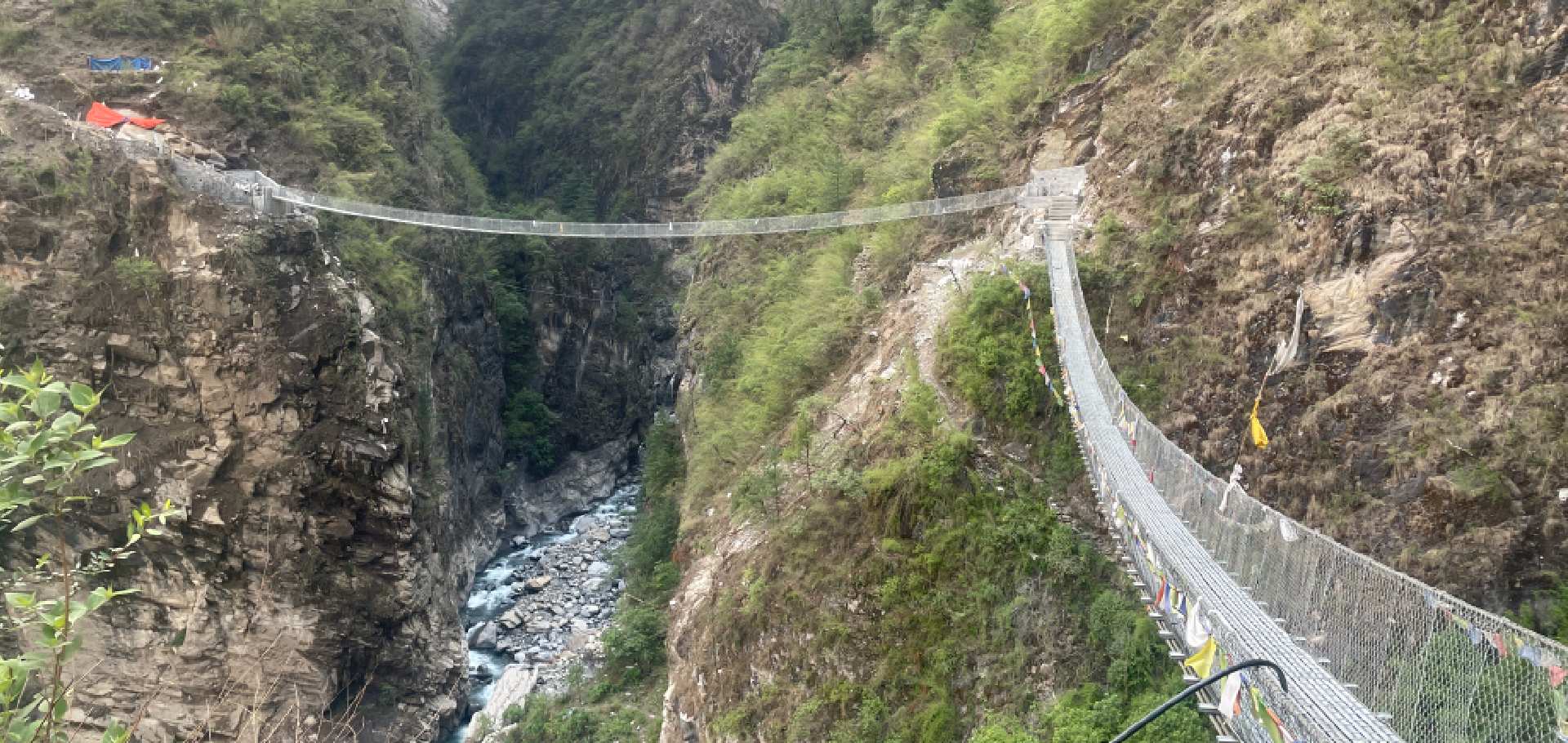
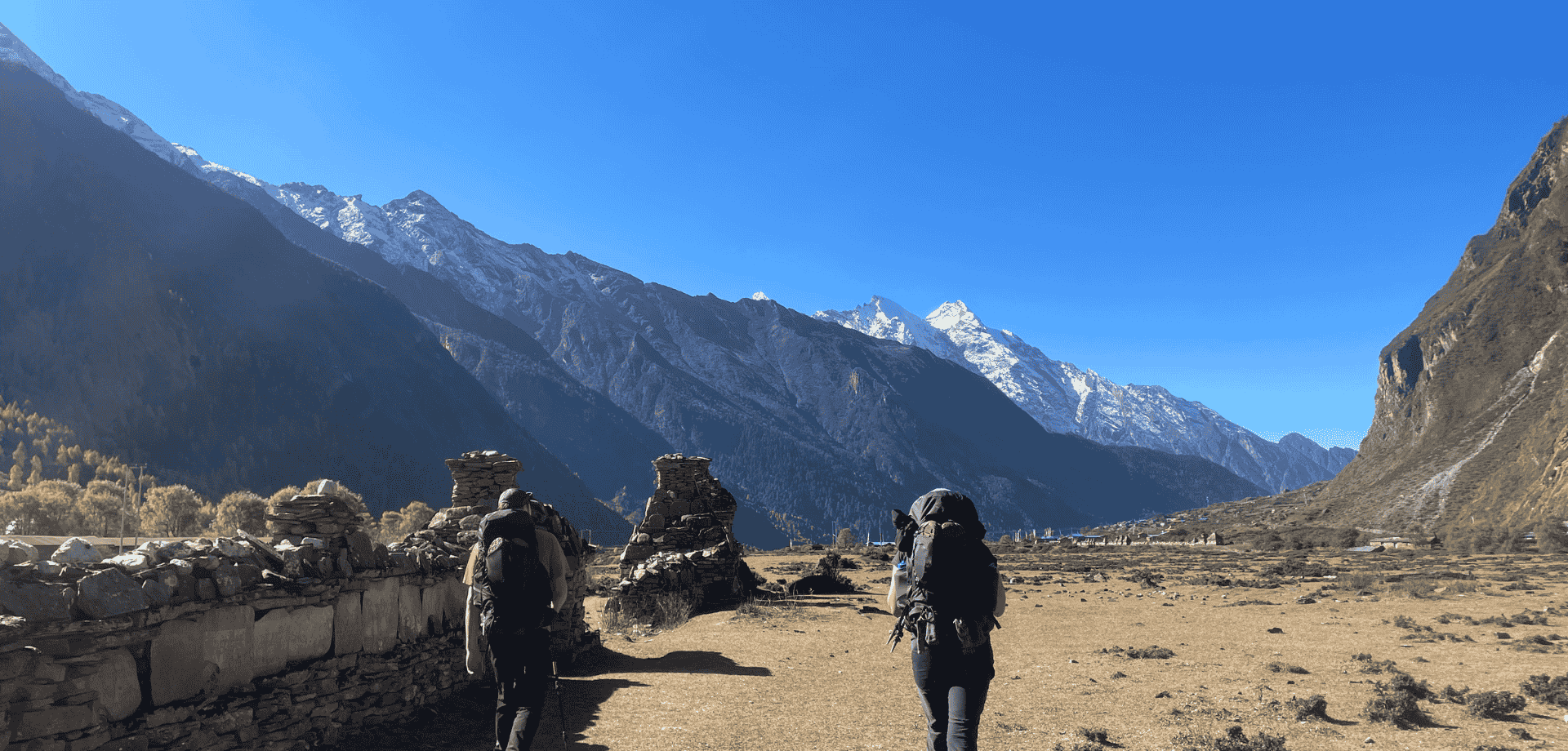
Today, we officially begin the trek on the Manaslu Circuit Serang Gumba trail, walking from Machha Khola to Jagat. This section of the trail follows the Budhi Gandaki upstream through narrow gorges and forested hillsides. In this section of the Manaslu Circuit with the Serang Gumba Trekking trail, we will also cross several suspension bridges above turquoise waters as you walk past small settlements like Tatopani, known for its natural hot springs.
Slowly and gradually as the trail passes, the map starts revealing glimpses of waterfalls and wild landscapes that set the tone for the days ahead. It takes about 5 to 6 hours for us to reach Jagat, a village located at an altitude of 1340 meters above sea level. As you reach here, you'll get to see a small stone-paved settlement perched on a ridge. Besides, the village also features charming courtyards, mani walls, and teahouses providing a cozy resting point.
Slowly and gradually, the trail takes us higher in altitude as we leave Jagat for Kwak Village on the fourth day. Located at an altitude of 2250 meters above sea level, Kwak village greets us with terraced fields, smiling locals, and the comforting aroma of home-cooked dal bhat. Furthermore, this village is also pretty quiet, less trodden, and a perfect place to spend a night before ascending further on the Manaslu Circuit with the Serang Gumba Trek.
This section of the trek is shorter but scenic, allowing you to ease into the rhythm of the trail. As we leave Jagat, the path climbs gently through forests of pine and rhododendron, following ancient stone steps and traditional Mani walls carved with Buddhist prayers. Also, today's walk will be accompanied by the sound of the river.
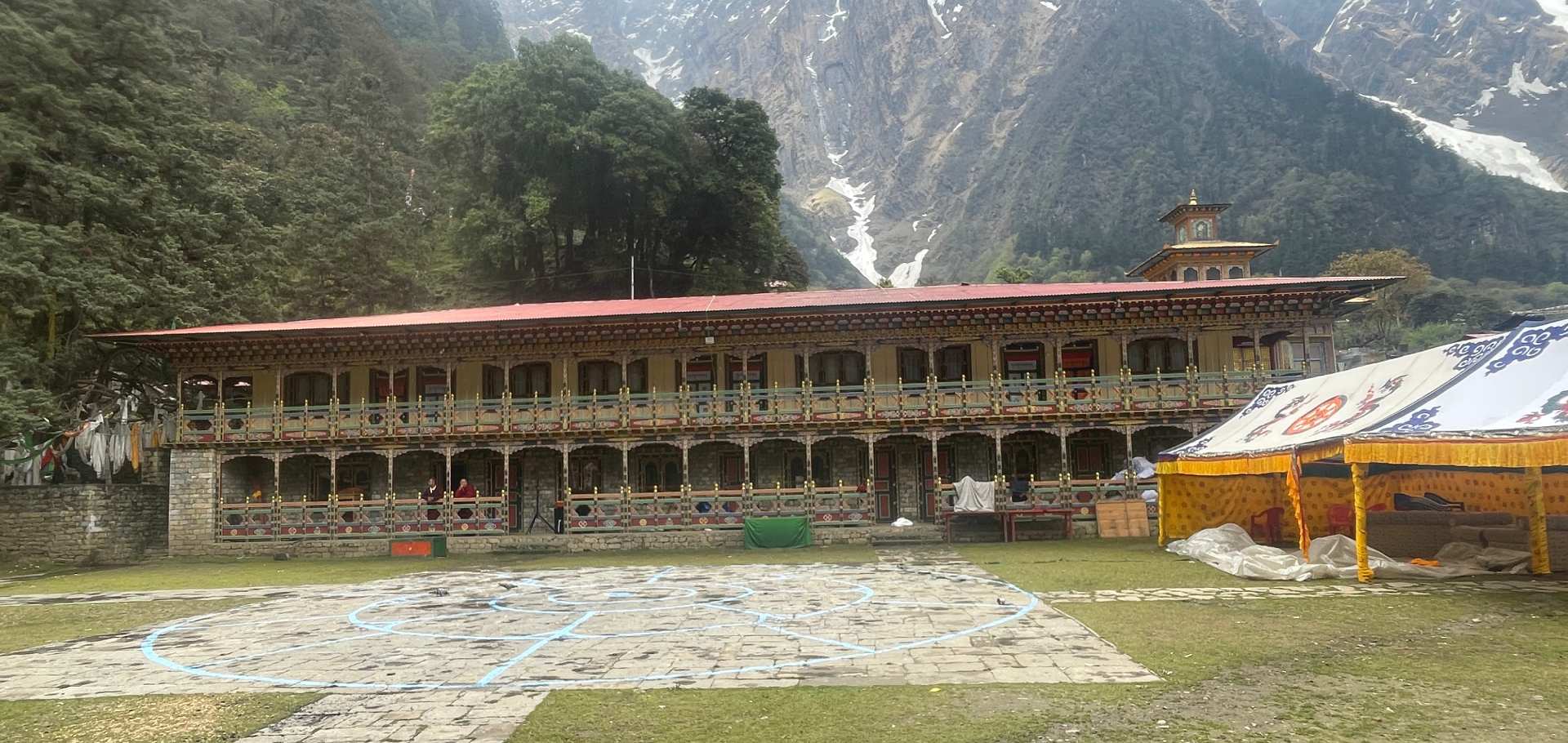
After a fulfilling breakfast in Kwak village's hotel, we continue our journey on the Manaslu Circuit Trek with Serang Gumba. Do you know that the fifth day is one of the most significant days of the entire trek? Yes, because today, we will ascend all the way to the Serang Gumba. This beautiful and serene gumba, located at an altitude of 3900 meters, sits surrounded by towering peaks and timeless serenity.
Talking about the trail, this section of the Manaslu Circuit Trekking map gradually ascends through forests and open meadows, with the air growing thinner and crisper. Along the way, you’ll pass prayer flags fluttering in the wind, signaling your approach to one of the region’s most sacred spots. Overnight stay, and dinner will be arranged in Serang Gumba.
The sixth day is the day of descending. Yes, we will lose significant altitude before rising again. The trail winds through alpine meadows and rhododendron forests, offering panoramic views of Manaslu that keep you pausing for “just one more photo.”Besides, we will also experience the temperature rising as we descend lower, while the sound of distant prayer flags fluttering fades into the hum of the forest.
Gap, a charming riverside village, sits between farmlands and pine forests. This naturally decorated village is referred to as a great place to slow down and reconnect with the more grounded side of the trek. Take your time to explore and stroll around the village before having dinner and sleeping the night away.
Another day calls for another checkpoint on the Manaslu Circuit Trek with Serang Gumba as we walk to the beautiful Lho Village. Today's walk brings a mix of uphill climbs and gentle trails. We will also be passing through scattered settlements, mani walls, and chortens that mark the growing influence of Tibetan culture. As we gain altitude, mighty Manaslu and Ganesh Himal start speaking to us. The path feels alive with the rhythm of village life, herders tending to yaks, and children waving as you pass.
It takes about 5 to 6 hours for us to reach the Lho Village, a scenic village that feels like entering a postcard. Located at an altitude of 3200 meters, this village sits as one of the most picturesque spots in the entire region. Just wait until you see the picturesque view of the Ribung Monastery and experience its calmness. The Himalayan Ice Cap team arranges dinner and an overnight stay at Lho Village.
The trail today gently climbs through pine and juniper forests, offering breathtaking views at every turn. It takes us past different small Buddhist settlements and open meadows dotted with mani stones and prayer flags. You know what this means? This means that the trekkers will stay connected with the region's deep spiritual heart throughout the walk. Just about 4 to 5 hours of walking from Lho Village, and we will find ourselves standing on Samagaon.
Located at an altitude of 3530 meters, Samagaon is one of the largest and most culturally rich villages on the Manaslu Circuit. Seated beneath the towering north face of Manaslu, this traditional Sherpa settlement is surrounded by fields of barley and buckwheat. Take your time to stroll around the village and interact with the locals before having dinner and preparing yourself for a hike to the base camp the next day.
One trekking package with so many milestones, that's what the Manaslu Circuit Serang Gumba Trek offers. Today's milestone includes ascending to the Manaslu Base Camp (4800 meters). Of course, we need to wake up much earlier than on other days because the trek to Manaslu Base Camp will start before sunrise. It'll certainly be one of the most difficult sections of the entire trek, so we recommend all the trekkers to prepare accordingly.
Alternatively, our guides can also take you for a hike to the Punggen Gumba, a peaceful monastery surrounded by mountain walls. Regardless of which hike you choose, both hikes offer an incredible sense of scale and perspective of where you really are. In the late afternoon, we returned to Samagaon for a peaceful and scenic evening.
On the tenth day, we go for a pretty short yet incredibly scenic hike as we climb gradually above the tree line, following the Budhi Gandaki River. As we leave Samagaun, the trail snakes through wide open valleys, giving us a feeling of altitude in our breath. Furthermore, the landscape makes every step worth it with rugged cliffs, glacial streams, and herds of blue sheep dotting the slopes.
Within 3 to 4 hours of leaving Samagaun, we reach Samdo, a small Tibetan village just a day’s walk from the Tibetan border. Also, let us tell you that Samdo sits as one of the most authentic Himalayan villages you’ll visit, with traditional stone houses and yak caravans passing through. Take your time to check out the towering peaks of Manaslu, Pangboche, and Naike Peak from this village. Dinner and an overnight stay will be arranged in Samdo for
We are en route to the Larkya La Pass, one of the highest passes in Nepal. On that verge, today's journey takes us to Dharmasala, also known as Larkya Phedi (base of the Larkya La Pass). This section of the Manaslu Circuit with Serang Gumba Trek climbs steadily along barren ridges and rocky paths. As we gain altitude, the air starts getting thinner, and the surroundings feel wilder.
Moreover, we also have to walk beside frozen streams and high pastures, feeling the anticipation of the pass that lies ahead. Dharamsala is the last stop before the big crossing. This simple yet cozy settlement serves as the base for Larkya La Pass. Most trekkers spend the afternoon resting, hydrating, and mentally preparing for the next day’s adventure. It’s a night filled with quiet excitement. Tomorrow, you conquer the pass!
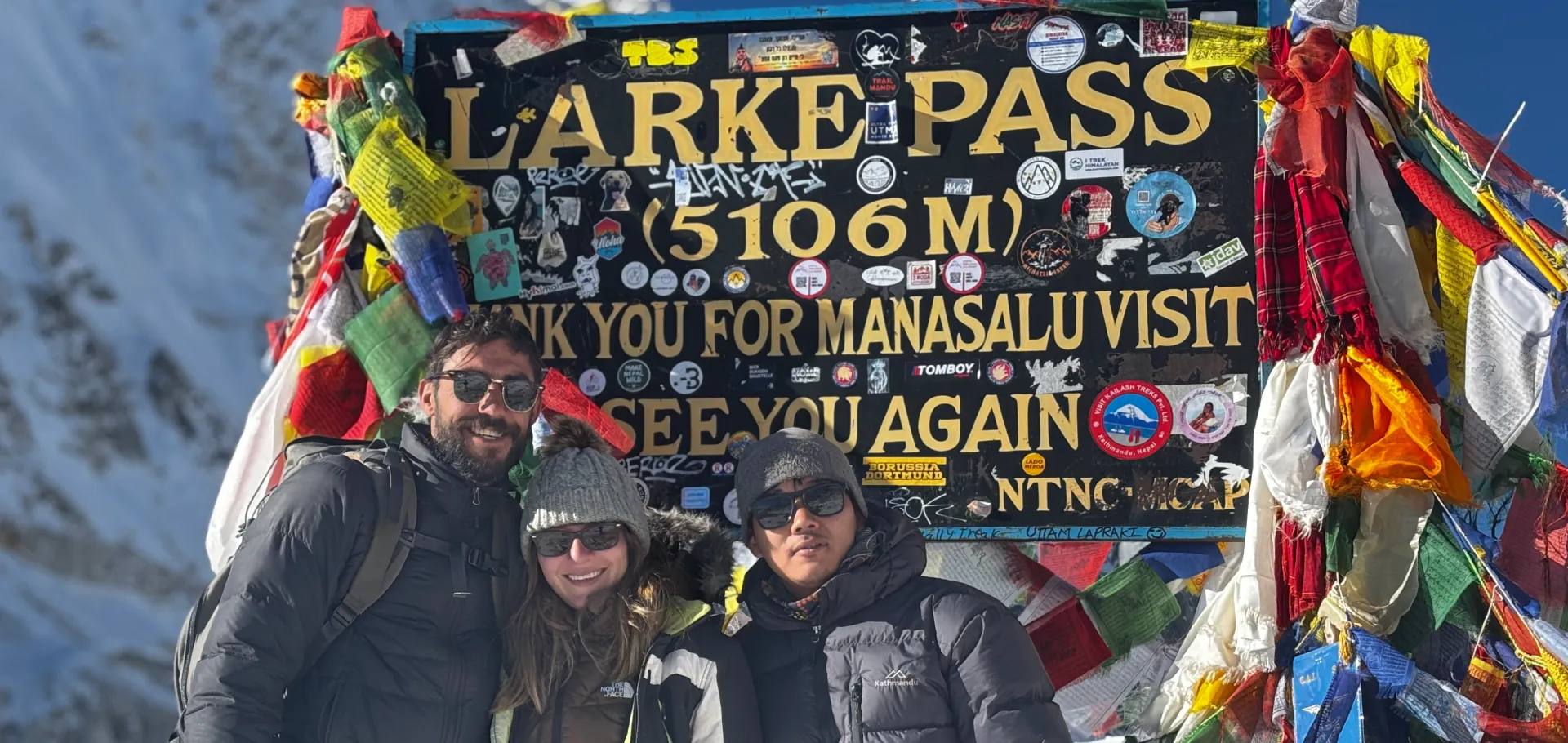
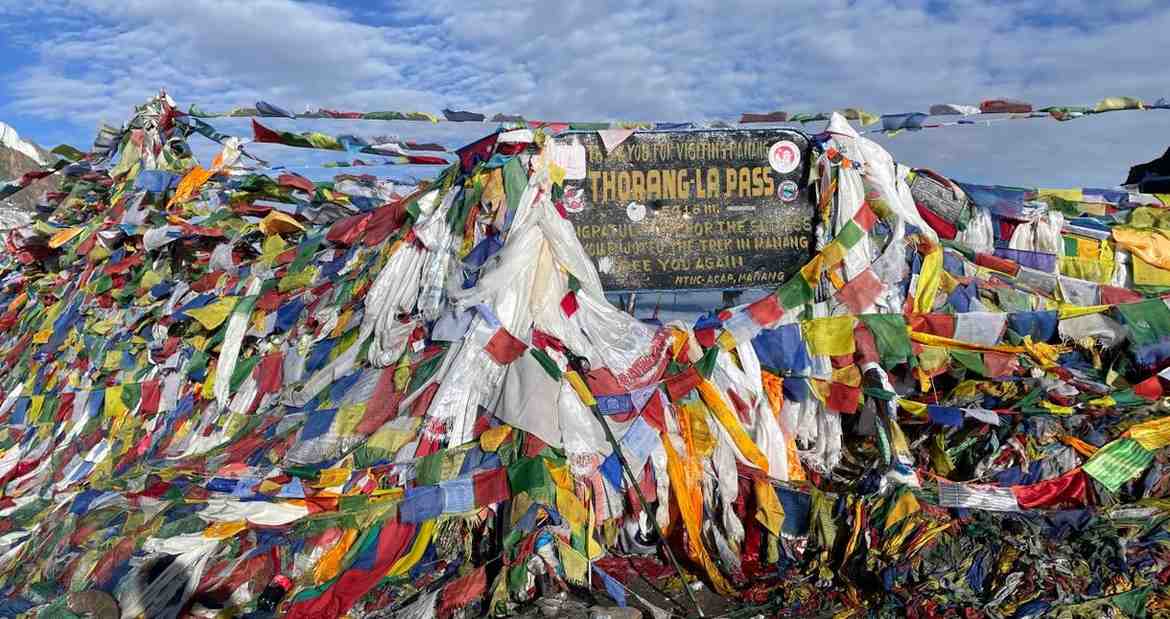
Finally, it's the day when we ascend to the highest pass, the Larkya La Pass (5106 meters). We will start the hike early, before sunrise, making our way up a gradual but steady climb across icy moraines and snow-covered ridges. As we reach near the summit, colorful prayer flags greet you, and the 360° view will take our breath away. Just imagine watching the first-person view of peaks like Himlung, Cheo Himal, Kang Guru, and Annapurna II.
After spending some amazing time in the Larkya La Pass, we descend to Bimthang, which will be a long but exhilarating journey. Once we reach the valley, surrounded by pine forests and glacial streams, we can feel an overwhelming sense of accomplishment.
Just a couple more days and we will be back in Kathmandu. However, today's descent takes us from Bimthang to Tilije, a beautiful village located at an altitude of 2300 meters above sea level. As you follow the Dudh Khola River, the crisp mountain air gradually softens, and the trail opens into charming villages surrounded by terraced fields. After days of high-altitude trekking, this leg feels refreshingly gentle, allowing you to fully absorb the shifting landscapes.
Tilije welcomes you with a blend of Gurung and Tibetan culture, offering warm hospitality and delicious local meals. The village marks the transition from rugged mountain terrain to the green hills of the lower Manaslu region. It’s the perfect spot to relax, enjoy a hearty dinner, and celebrate the incredible journey you’ve completed so far.
After breakfast, a short drive takes you from Tilije to Besisahar, where your trekking adventure officially comes to an end. The scenic drive winds through hillside villages, terraced farms, and the tranquil Marsyangdi Valley, offering one last glimpse of Nepal’s stunning countryside.
From Besisahar, you’ll journey back to Kathmandu. As the cityscape replaces mountain trails, the memories of snow peaks, serene monasteries, and friendly locals come flooding back. Back in the capital, you can unwind in your hotel, enjoy a celebratory meal, and reflect on the incredible journey around Manaslu and Serang Gumba.
Today, we will officially wrap up the 15 Day Manaslu Circuit with the Serang Gumba Trek. Yes, after breakfast, you will have some leisure time for shopping or walking around before our representatives drive you to the airport. From there, you will board the flight back to your country.
Cost Include
- All land travel is by Local vehicle.
- Airport drop-off and pickup.
- 3Meals a day ( breakfast, lunch, and dinner ) at the trek.
- One excellent, friendly, and knowledgeable guide.
- Trekking special permit fee for the Manaslu Circuit.
- Conservation fee for Annapurna and Manaslu.
- First aid medical kit & Oximeter to check oxygen level and pulse.
- Government taxes and office service charges.
Cost Exclude
- Any meals other than those mentioned in 'Meal Inclusions'.
- Travel Insurance.
- International airfare.
- Nepal entry visa.
- Coke, Fanta juice, water, etc.
- Any extra snacks you might want to bring, and personal spending money.
- Hot shower during the trek.
- Personal trekking equipment.
- Tips and bonuses for the trekking crew and drivers.
Photo Gallery