
Top Highlights

Trip Duration
7 Days

Max Altitute
4210m

Best Season
Sep-Nov to Mar- May

Trip Grade
Moderate

Group Size
2-30

Trek start-Ending place
Pokhara -Pokhara

Meal
B.L.D

Region
Annapurna Region
Highlights of The Shot Annapurna Base Camp Trek
- Participate in the short version of the adventurous Annapurna Base Camp Trek. Wrapped within 7 days, but the same adventure.
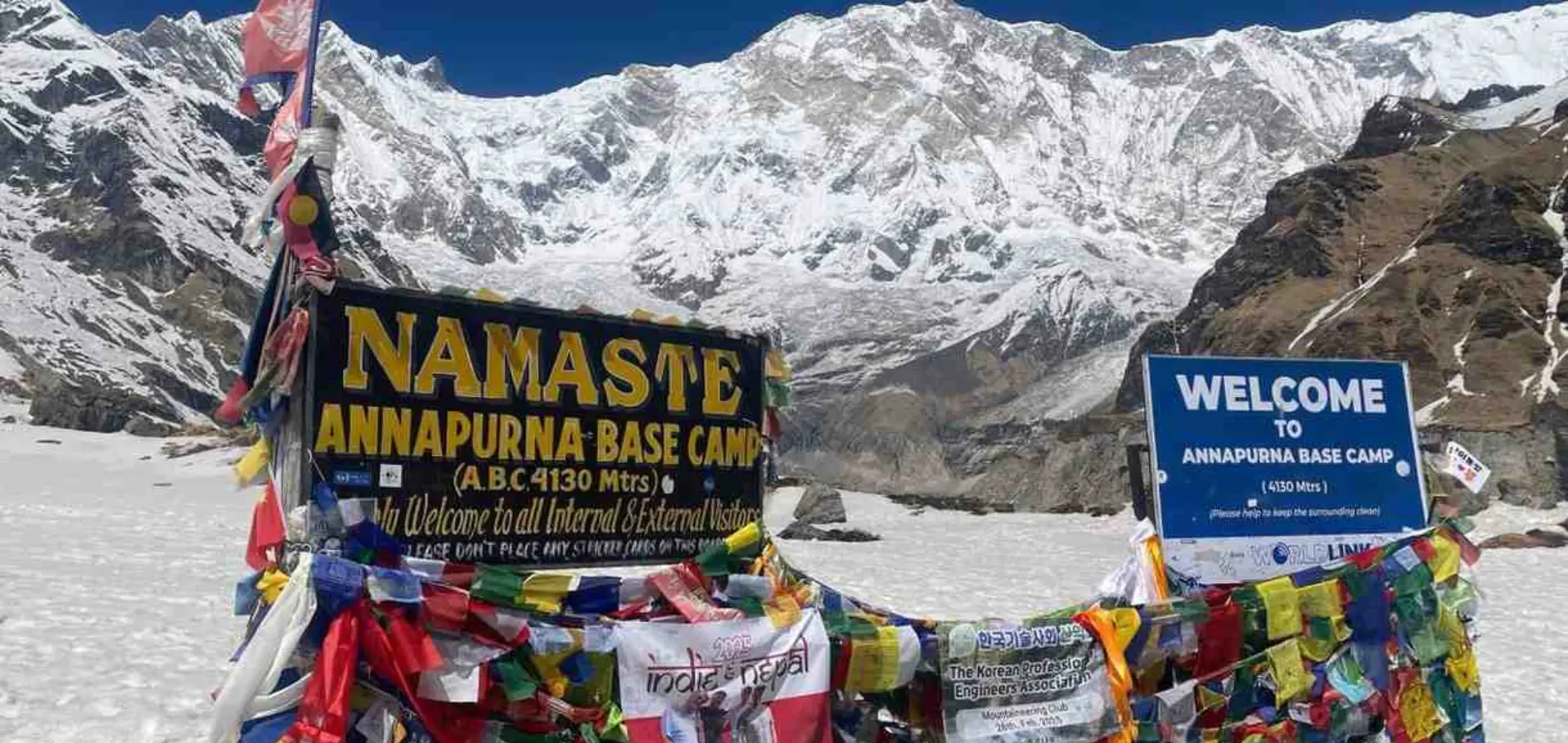
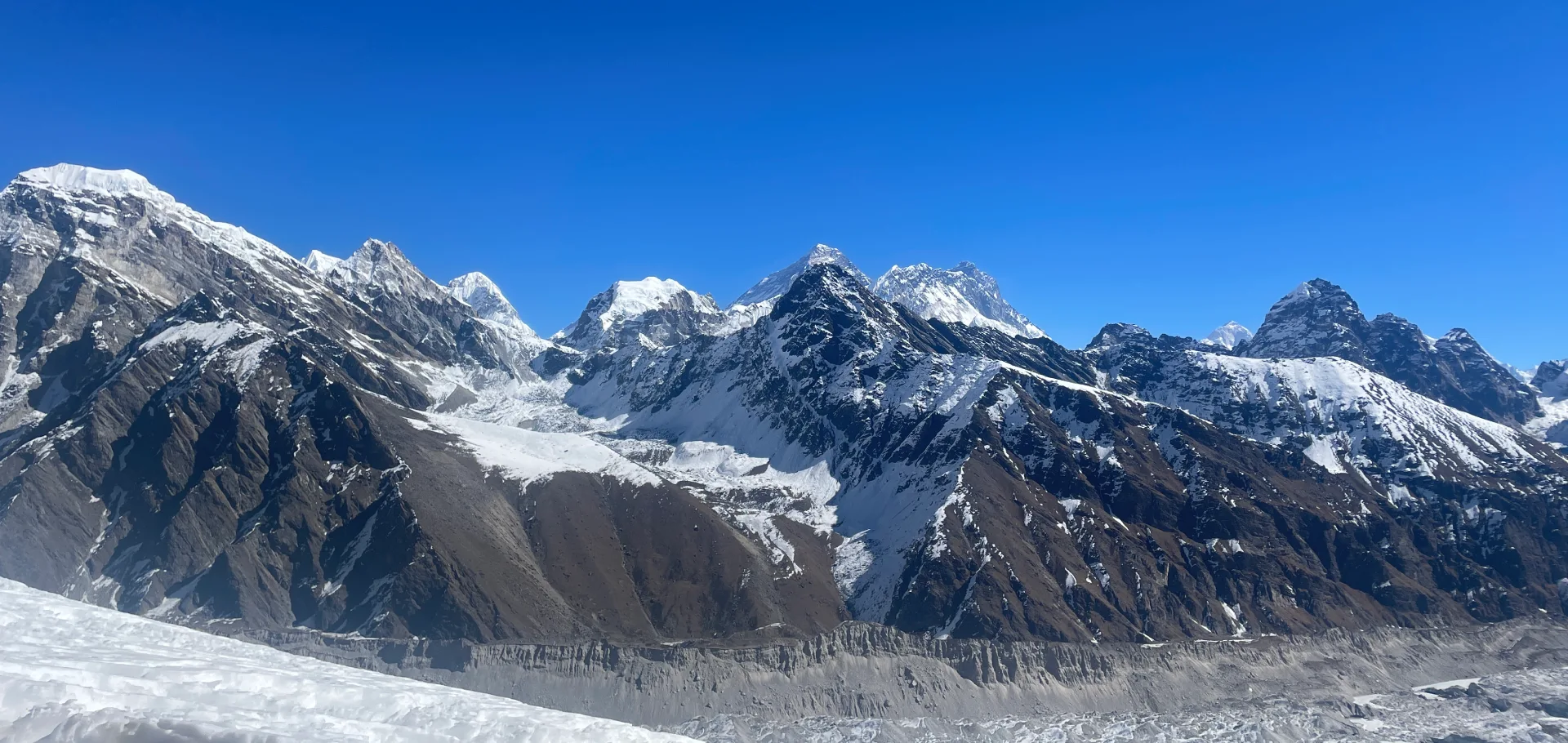
- A chance to reach Annapurna Base Camp (4,130m) and stand surrounded by 8,000-metre giants.
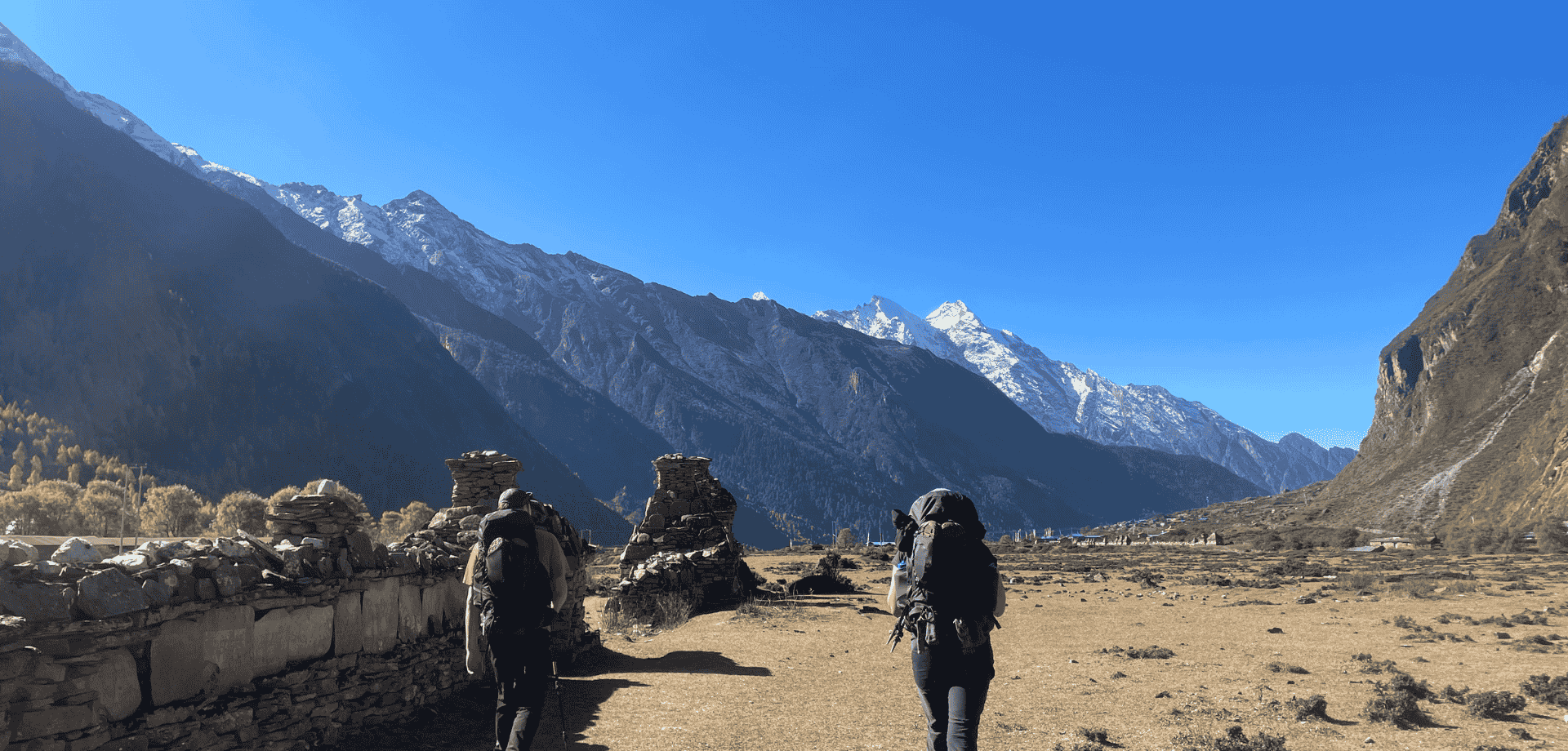
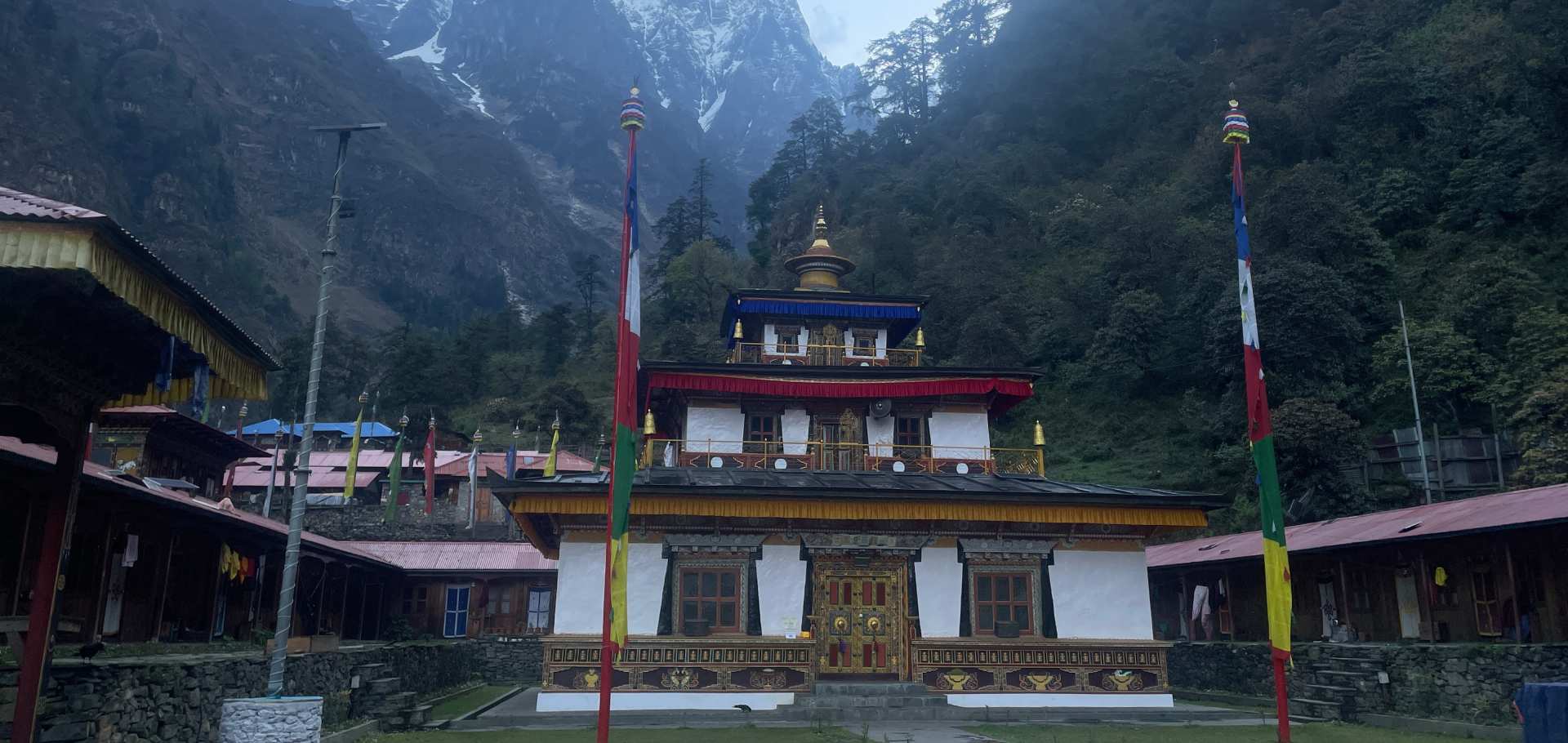
- Pass through several traditional Gurung villages, prayer flags, and mountain monasteries along the trail.
- Delve deep into the Annapurna Conservation Area, walking from lush bamboo forests to high alpine glaciers in just seven perfectly paced days.
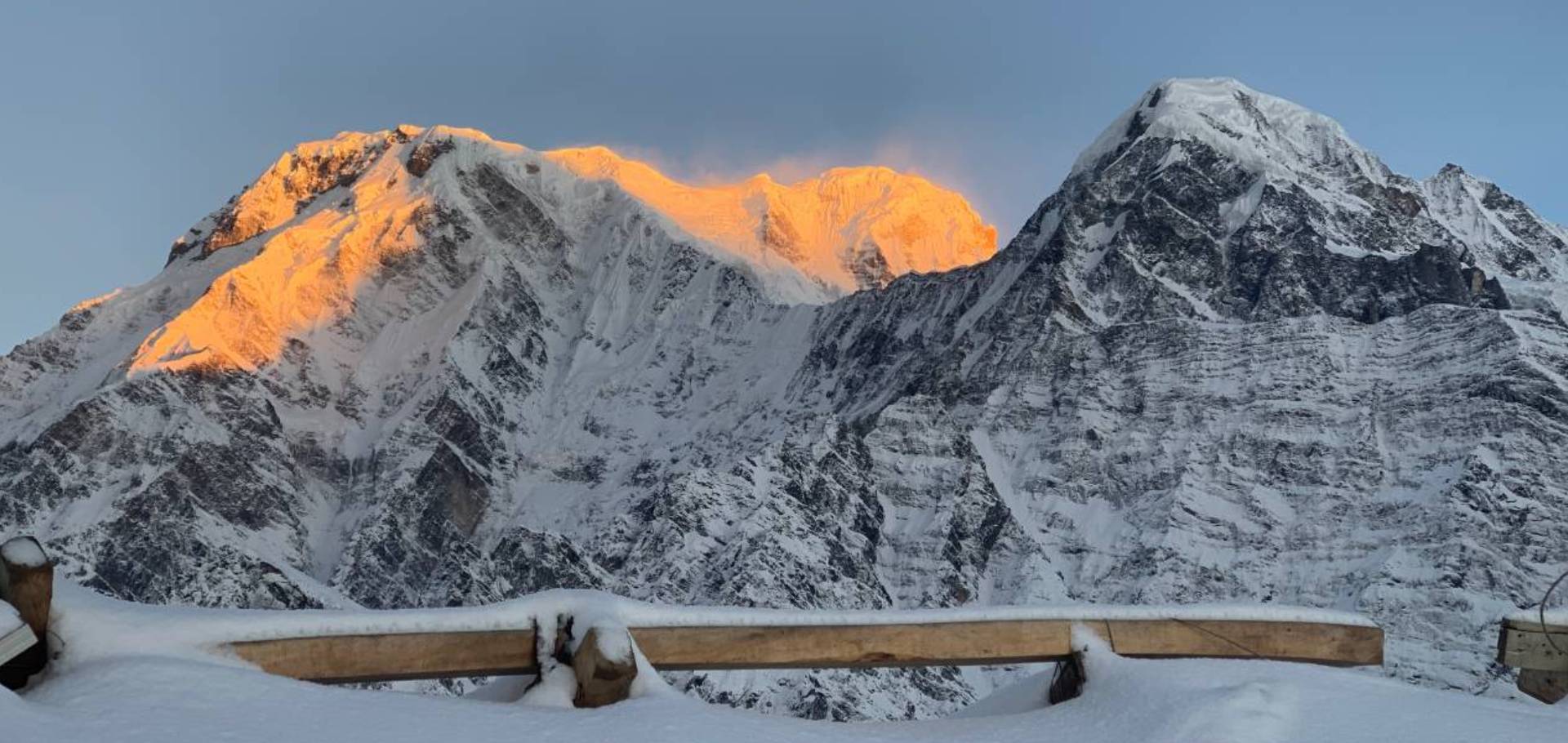
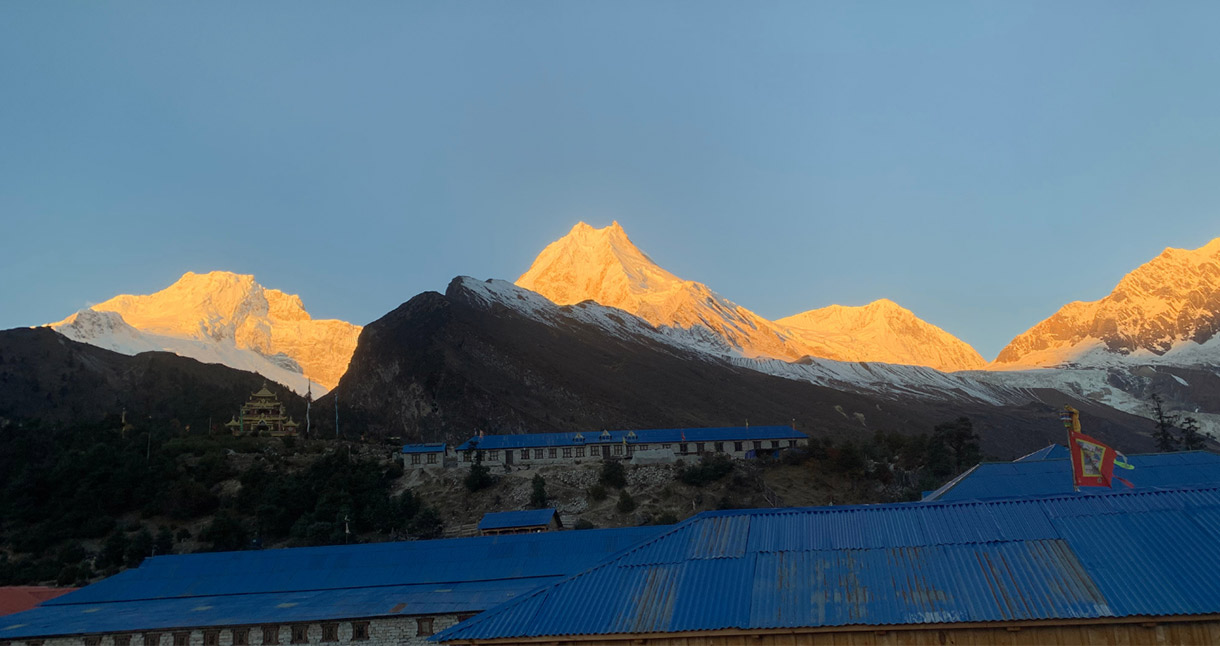
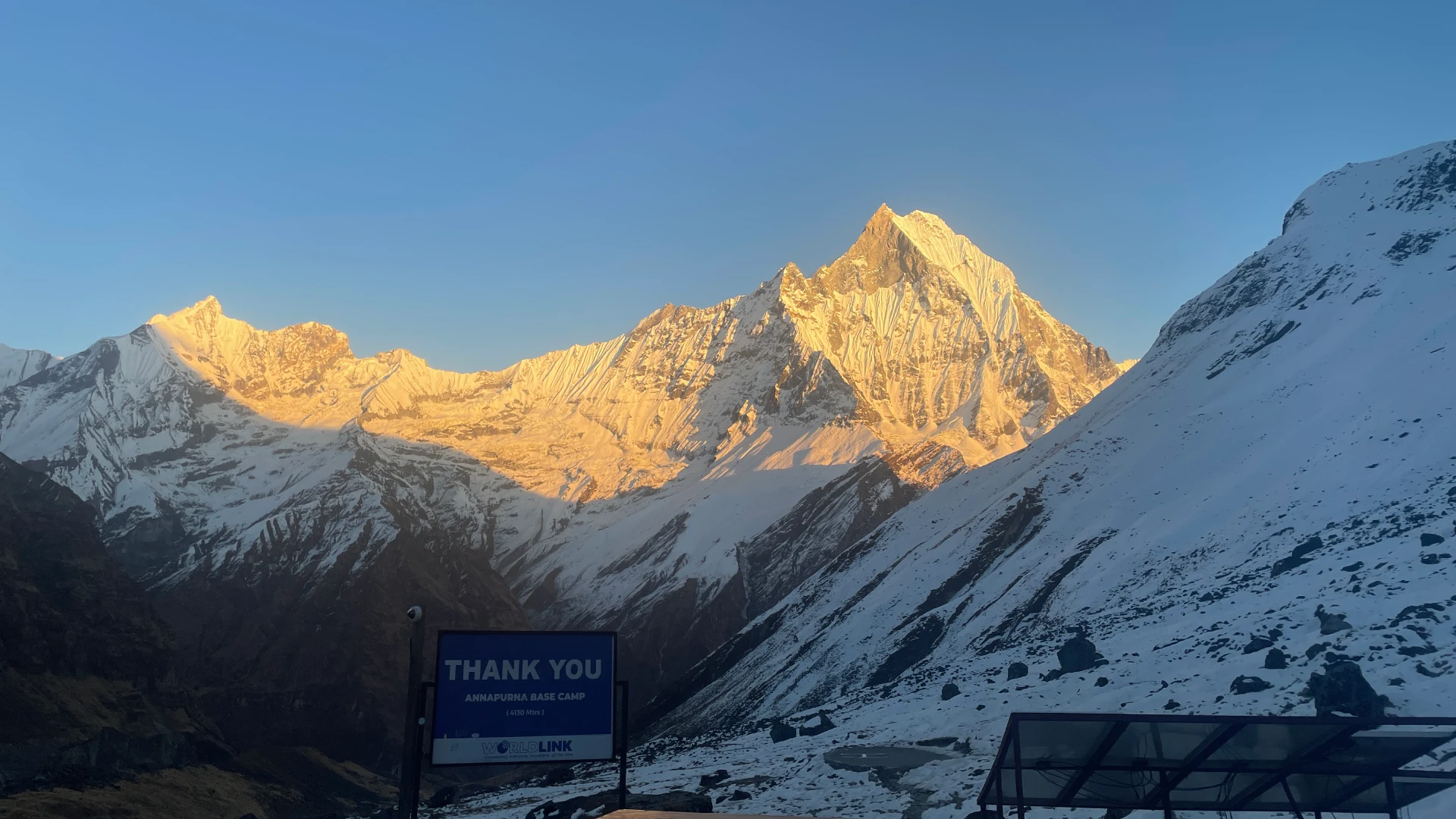
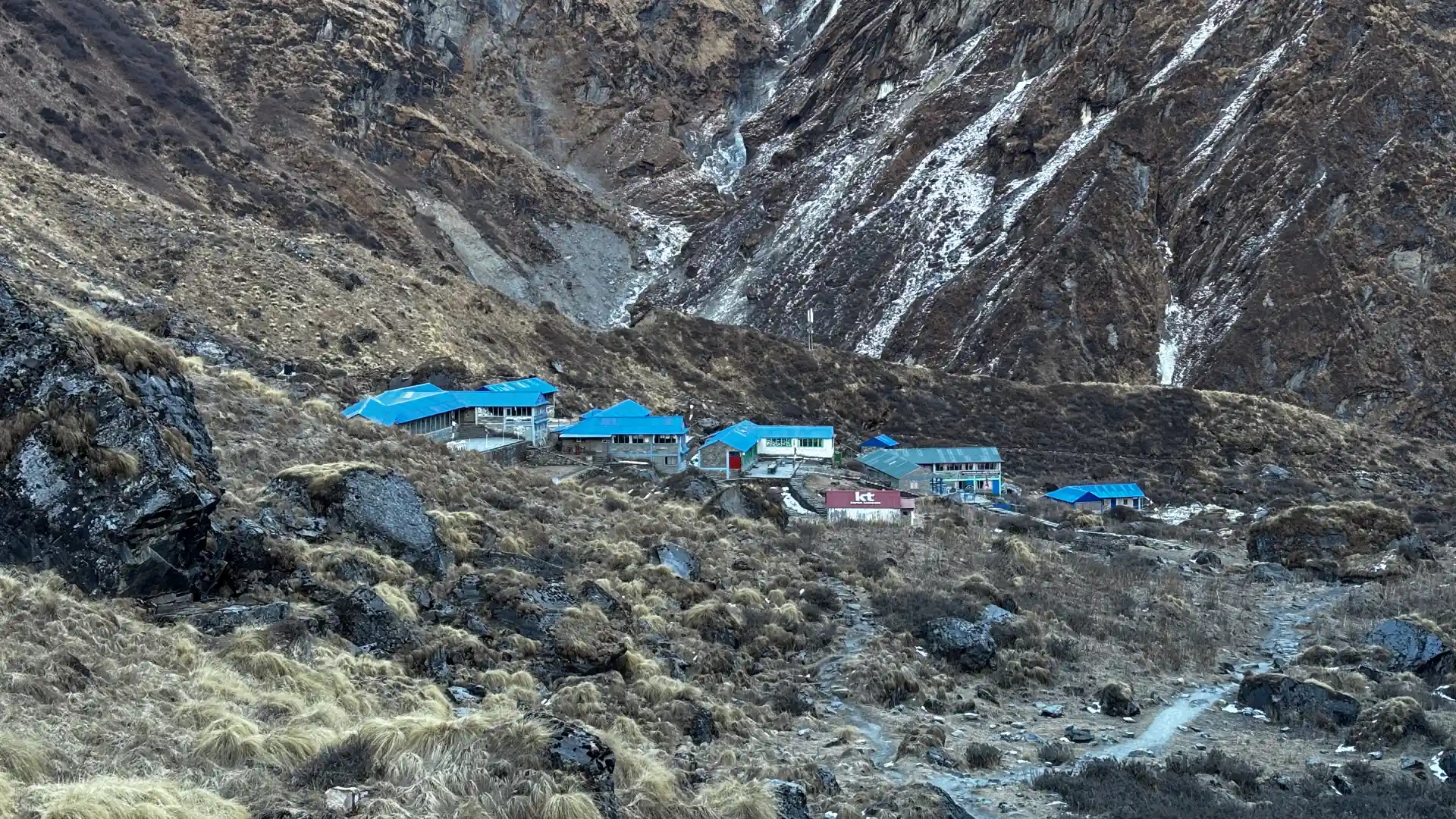
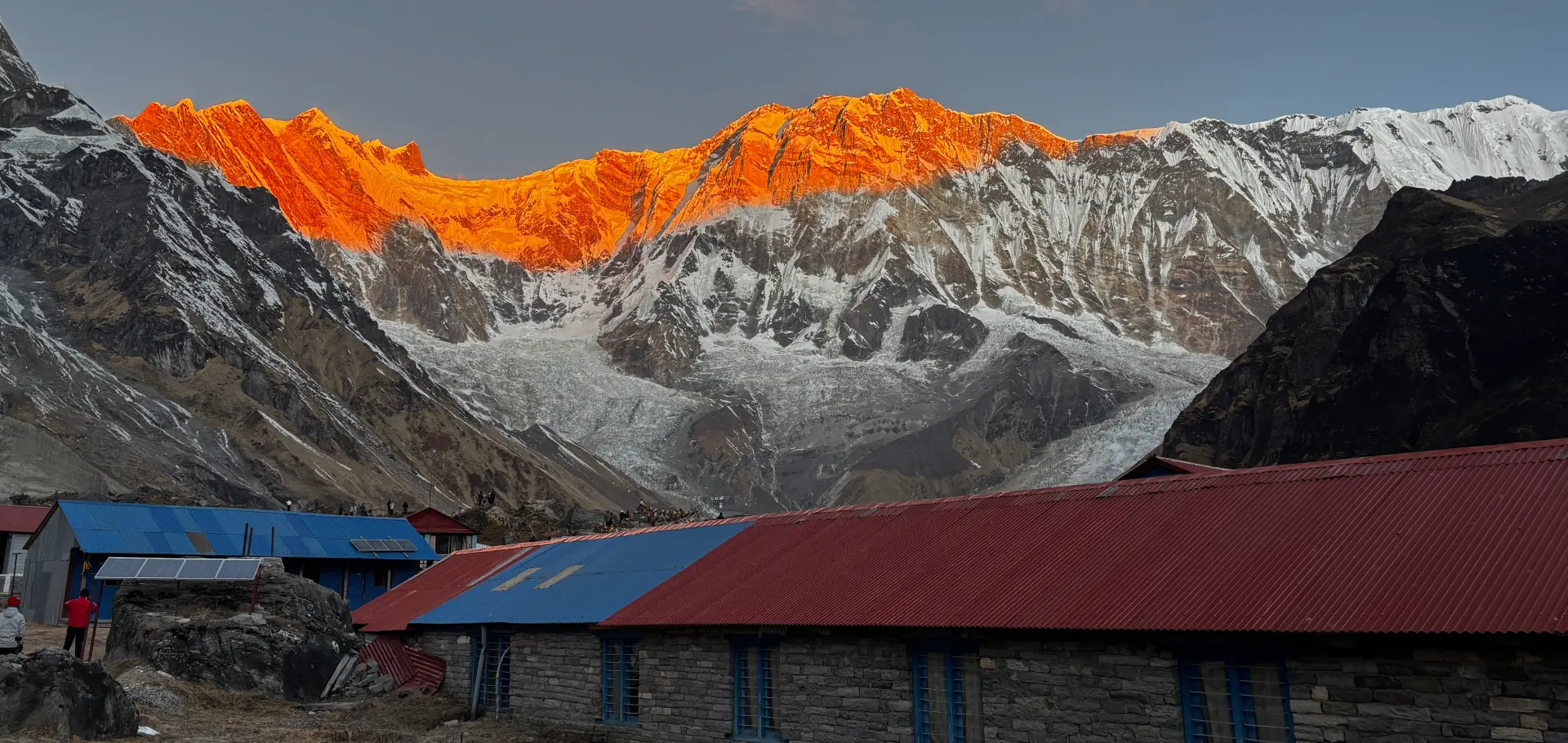
- Watch sunrise and sunset at Annapurna Base Camp, where golden light ignites Annapurna I and Machhapuchhre.
- Experience a true high-altitude Himalayan trek without needing weeks on the trail.
- Enjoy dramatic close-up views of Machhapuchhre (Fishtail) at Machhapuchhre Base Camp.
- Relax tired muscles in the natural hot springs of Jhinu Danda after days of mountain trekking.
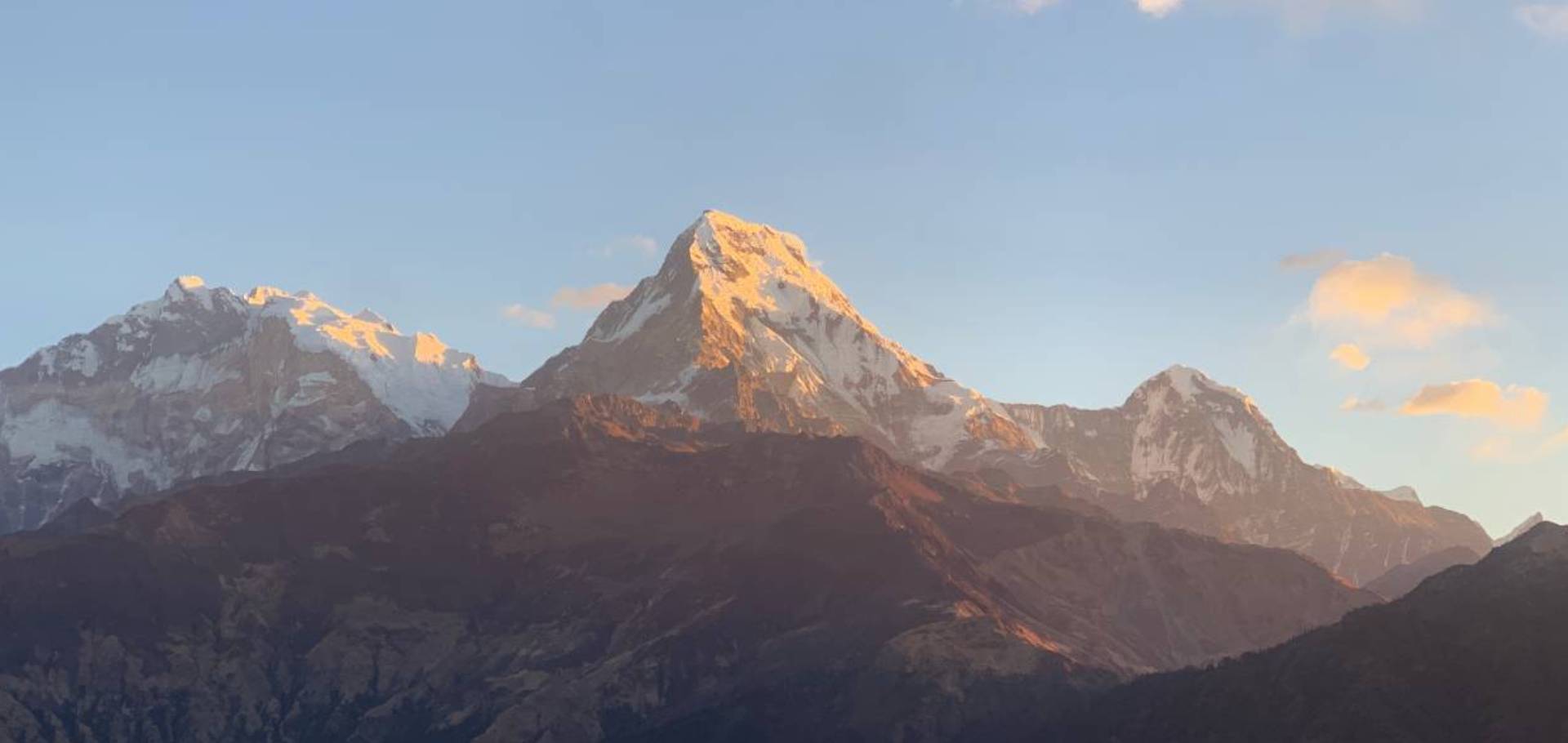
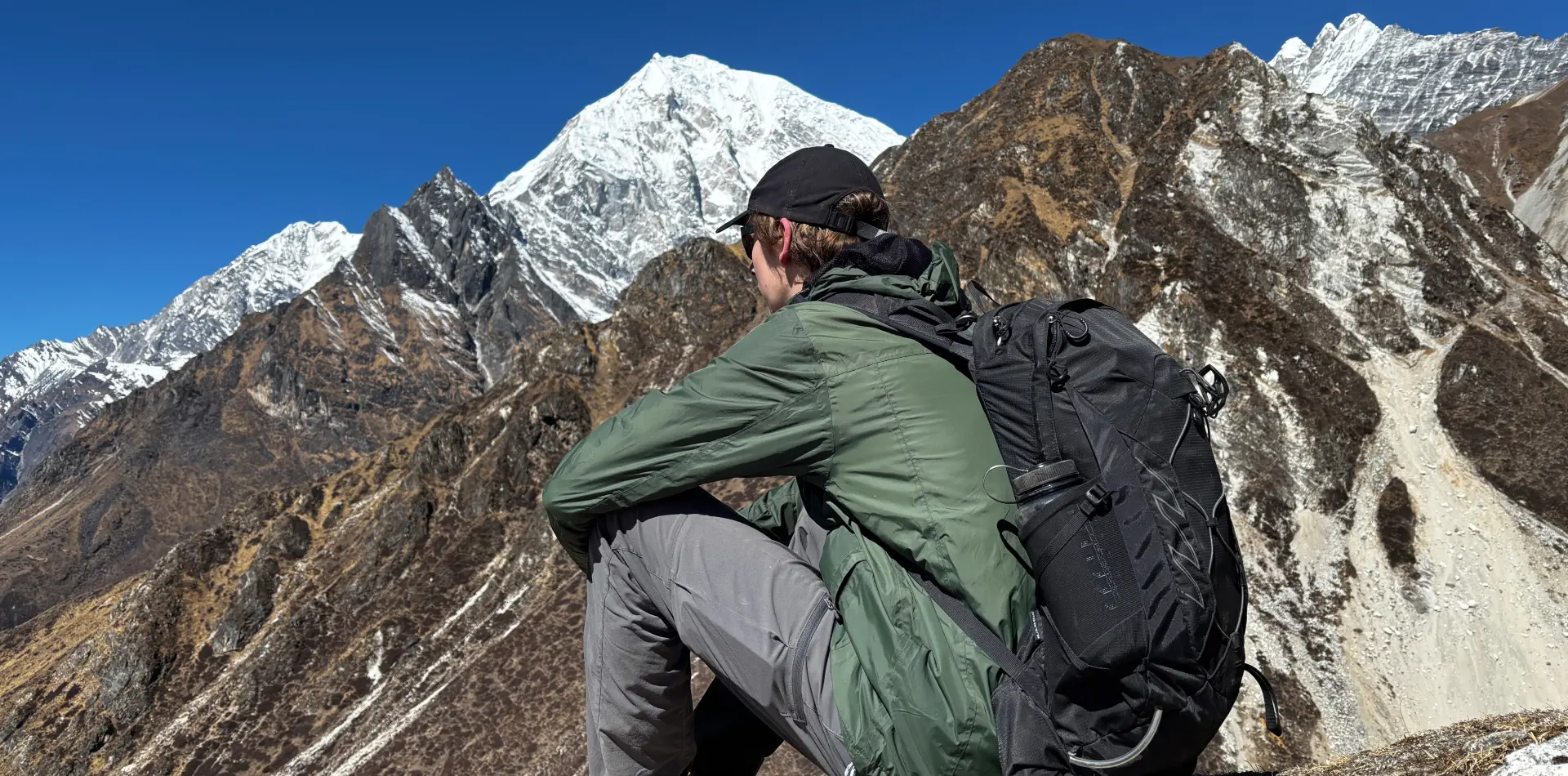
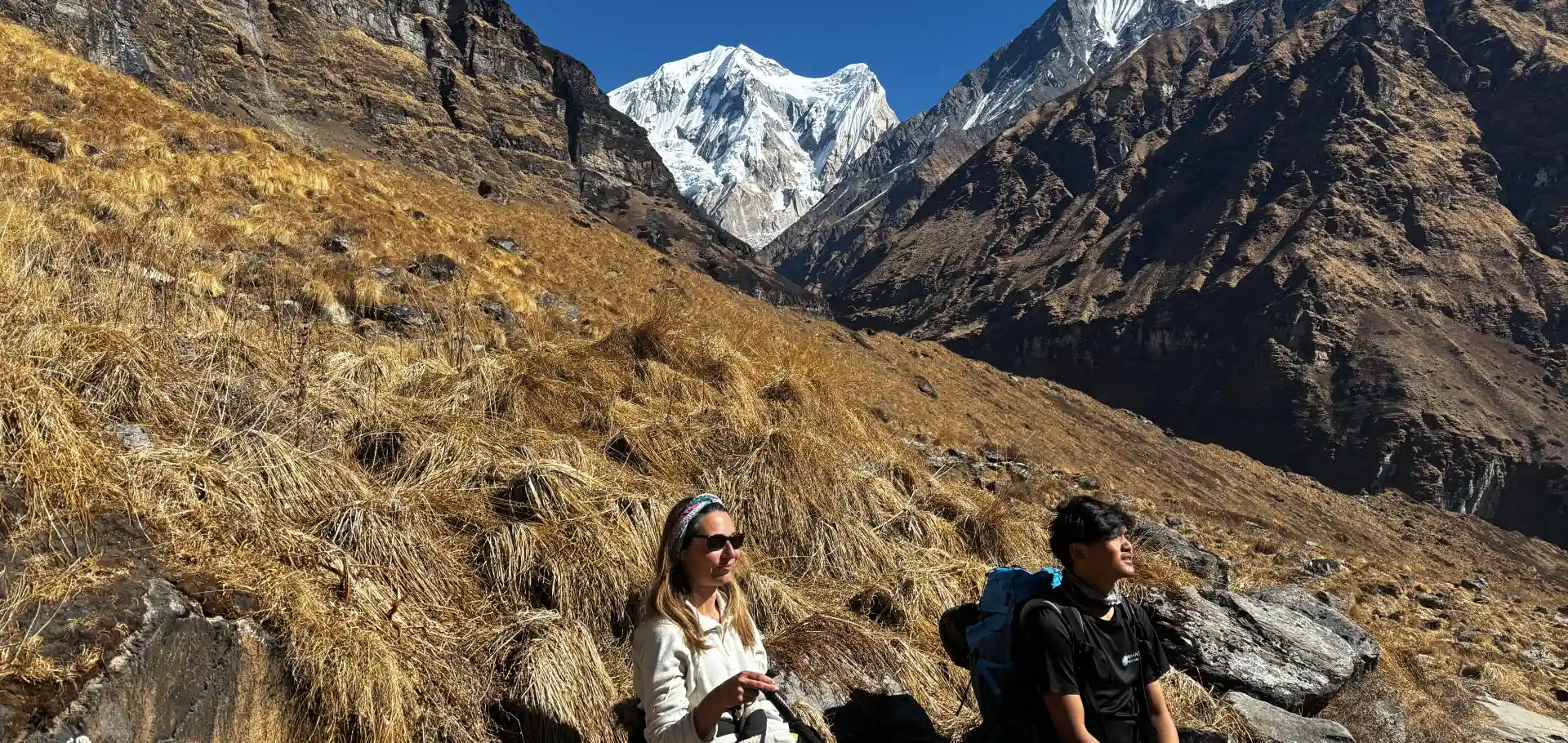
- Capture iconic photos of Annapurna South, Hiunchuli, and Gangapurna from inside the sanctuary.
Short Annapurna Base Camp Trek Overview
Ever imagined standing deep inside the Himalayas, with snow-covered giants rising, without spending many days? The Short Annapurna Base Camp Trek (7 Days) is designed to turn that vision into a real, achievable adventure. It delivers the essence of classic Annapurna trekking in a shorter, smarter format, without cutting out the moments that truly matter.
The short Annapurna Base Camp Trek is ideal for travellers who want a genuine high-altitude Himalayan experience but have limited time. In just seven days, this trekking package takes us from the relaxed lakeside town of Pokhara into the heart of the Annapurna Sanctuary, reaching the iconic Annapurna Base Camp at 4,130 metres. Despite its shorter duration, the trek feels complete, immersive, and deeply rewarding.
Himalayan Ice Cap's short trek to the Annapurna Base Camp begins with a scenic drive from Kathmandu to Pokhara and then to Jhinu. From here begins the trekking route that goes gradually through villages like Sinuwa, Deurali, Annapurna Base Camp, and back. All these villages have amazing experiences to offer, tradition & culture to showcase, and new memories to make.
Moreover, as we ascend higher, we notice the landscape shifting dramatically. Forests thin out, valleys narrow, and waterfalls tumble down steep rock faces. Reaching Machhapuchhre Base Camp (MBC) feels like stepping into another world, with the sacred Machhapuchhre (Fishtail) dominating the skyline. From here, the trail opens into the vast, glacier-filled bowl of the Annapurna Sanctuary.
Standing at Annapurna Base Camp (4,130m) is the defining moment of the trek. Peaks like Annapurna I (8,091m), Annapurna South, Hiunchuli, and Gangapurna surround you. Sunrise and sunset here are unforgettable, as changing light paints the mountains in soft golds and deep shadows.
This Short Annapurna Base Camp Trek suits first-time Himalayan trekkers, experienced hikers short on time, photographers, and adventure-seekers. Also, what makes this itinerary work so well is its balanced pacing and altitude awareness.
Book the Short Annapurna Base Camp Trek with Himalayan Ice Cap Right Away!
Ready to step into the heart of the Himalayas? The Short Annapurna Base Camp Trek (7 Days) promises stunning mountain views, vibrant villages, and the thrill of walking to Annapurna Base Camp (4,130m) in just one week.
Contact the Himalayan Ice Cap team right away and secure your adventure to one of the most exciting and thrilling trails in Nepal. The professional Sherpas are all ready to take you on one of the best adventures in your life to the Annapurna Base Camp
Transportation During the Short Annapurna Base Camp Trek
Transportation during the 7-Day Annapurna Base Camp Trek offers a perfect mixture of scenic road journeys with classic Himalayan trail travel. The adventure begins with a comfortable drive from Kathmandu to Pokhara, where rivers, hills, and terraced landscapes slowly set the mood for the trek ahead. From Pokhara, a shorter drive leads to Jhinu, the trekking trailhead, marking the point where roads end, and footpaths take over.
The rest is all about walking, ascending, and descending. This means that other than reaching Jhinu Danda from Kathmandu and vice versa, your legs will be your medium of transportation. Also, regarding the buses, jeeps, or any other transportation medium we arrange for this trek, the experience of the driver and quality of the vehicle always stay top-notch.
Permits
Just like any and every other trekking route in Nepal, the short Annapurna Base Camp Trek also requires the trekkers to obtain permits. This includes:
- Annapurna Conservation Area Permit (ACAP)
- Trekkers' Information Management System (TIMS)
Both of these permits are helpful for the government and the authorities to keep track of the visitors. If you book the package with us, the Himalayan Ice Cap team ensures the arrangement of permits and TIMS after the booking process is completed.
Best Seasons for Short Annapurna Base Camp Trek
The Short Annapurna Base Camp Trek can be done throughout the year, but conditions vary sharply by season. Weather, visibility, crowd levels, and trail safety all change as the months shift. If you want to be in for clear mountain views and stable weather, we recommend that you plan the trek in spring (March-May) or autumn (September-November).
Are you someone who prefers fewer people and a raw mountain atmosphere on the trail? In that case, you should choose winter (December-February) and monsoon (June-August). But remember, quieter trails also demand more flexibility and preparation.
Here's a breakdown of what you can expect on the Short Annapurna Base Camp Trek throughout each season:
Spring (March-May): Best for Colour, Comfort, and Energy
- Mild daytime temperatures and manageable cold at higher elevations
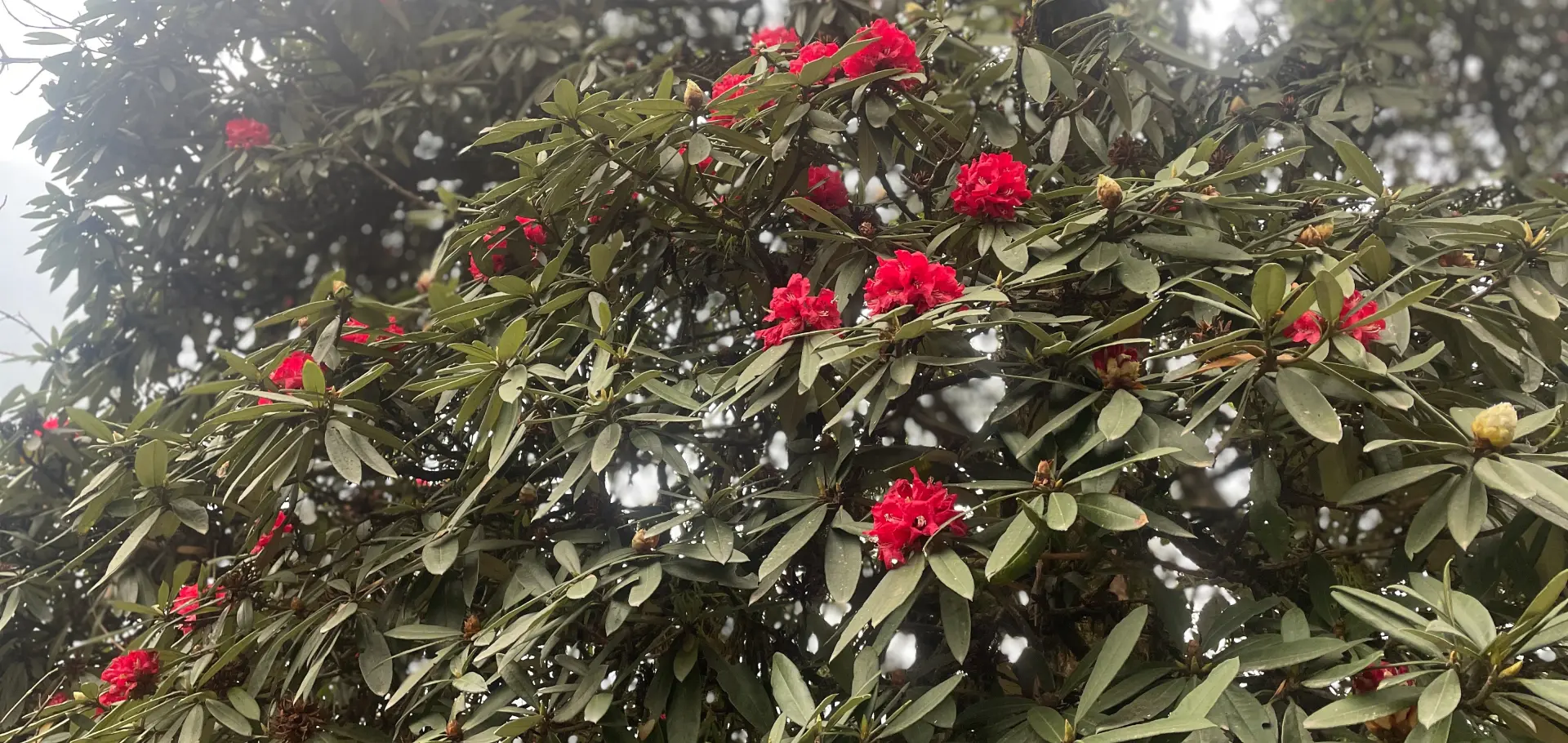
- Rhododendron forests in bloom below Deurali and Bamboo
- Clear mornings with strong views of Annapurna I and Machhapuchhre
Popular season with moderate trail traffic
Autumn (September-November): Best for Clear Views and Stability
- Sharp visibility after monsoon rain clears dust from the air
- Stable weather with minimal rainfall
- Ideal conditions for first-time Himalayan trekkers
- Slightly busier trails, especially in October
Winter (December-February): Best for Solitude and Snow Scenes
- Crisp skies and dramatic snow-covered landscapes
- Very cold nights near Annapurna Base Camp
- Occasional snowfall may affect higher sections
- Suitable for well-prepared and experienced trekkers
Monsoon (June-August): Best for Quiet Trails and Green Valleys
- Lush forests and powerful waterfalls
- Fewer trekkers along the route
- Higher rainfall and frequent cloud cover
- Unpredictable mountain visibility
Short Annapurna Base Camp Trek Difficulty Level
The 7-Day Annapurna Base Camp Trek sits as a moderately difficult trekking route in Nepal. Even though the trek does not demand climbing skills, you must be prepared for steady climbing over multiple days and be able to handle thinner air at higher elevations.
As you walk up to the highest point of the entire trekking map, the Annapurna Base Camp (4,130m), the oxygen level becomes significantly lower than at sea level. Another factor that makes the trek difficult is that we need to walk for about 4 to 6 days almost every day. However, the route certainly is well-marked and supported by teahouses, making navigation straightforward.
What makes the trek challenging
- High altitude and reduced oxygen above 3,000 metres
- Continuous uphill sections over several days
- Cold temperatures at Deurali and Annapurna Base Camp
- Long descents can be tough on the knees
Who this trek is suitable for
- Fit beginners with good endurance and preparation
- Trekkers are comfortable walking several hours daily
- Adventure travellers seeking a short but real Himalayan trek
Who may find it difficult
- Those with no walking or hiking background
- Travellers are sensitive to altitude without acclimatisation
- Anyone expecting a luxury or low-effort trek
Safety, Altitude Sickness & Emergency Support
Trekking the Short Annapurna Base Camp is exhilarating, but the mountains demand respect. The trail is generally safe, yet altitude, weather, and remote sections require vigilance and smart planning.
Altitude awareness
The trek reaches Annapurna Base Camp at 4,130m, where thinner air can affect anyone. Watch for symptoms like headaches, dizziness, nausea, or shortness of breath. Moving at a steady pace, drinking plenty of water, and acclimatising gradually are key to staying healthy.
Emergency support
Local teahouses are equipped for basic first aid and can connect you to guides or porters for assistance. For serious cases, helicopter evacuation is possible from higher villages like Deurali or Bamboo, ensuring a safe safety net even in remote areas.
Practical safety tips:
- Take regular breaks and don’t push too hard
- Keep a small first-aid kit and essential medicines
- Follow your guide’s instructions and stick to marked trails
- Monitor how you feel each day and communicate any discomfort
How to Prepare for the Short Annapurna Base Camp Trek?
Preparing for the Short Annapurna Base Camp Trek is about building stamina, respecting altitude, and arriving with the right mindset. While the trek is not technical, good preparation makes the difference between simply finishing the route and truly enjoying every day on the trail.
Start with physical preparation at least a few weeks before the trek. Focus on activities that improve endurance and leg strength, such as brisk walking, hiking, stair climbing, or cycling. The goal is to feel comfortable walking 4 to 6 hours a day on uneven terrain while carrying a light daypack.
Key physical preparation tips
- Walk or hike regularly with increasing distance
- Practice uphill and downhill walking, especially on stairs
- Build cardiovascular fitness through steady-paced workouts
Understanding altitude awareness is equally important. The trek reaches Annapurna Base Camp at 4,130m, where thinner air can affect anyone. Learning the symptoms of altitude sickness, walking at a slow and steady pace, and staying well hydrated are essential parts of preparation.
Altitude and health readiness
- Learn the early signs of altitude sickness
- Stay hydrated and avoid rushing uphill
- Follow a gradual ascent and listen to your body
Finally, prepare mentally and logistically. Mountain weather can change quickly, and conditions may feel challenging on some days. Packing layered clothing, breaking in trekking boots, and carrying basic personal essentials help you stay comfortable and confident throughout the journey.
Final preparation essentials
- Pack layers suitable for warm days and cold nights
- Break in trekking boots before arriving in Nepal
- Travel with realistic expectations and flexibility
With the right preparation, the Short Annapurna Base Camp Trek becomes a rewarding Himalayan adventure rather than a test of endurance.
Food and Accommodation During the Short Annapurna Base Camp Trek
Food and accommodation on the Short Annapurna Base Camp Trek are simple, warm, and surprisingly comforting after a long day on the trail. The route is well supported by mountain teahouses, especially between Jhinu, Sinuwa, Deurali, Bamboo, and Annapurna Base Camp, making the trek both adventurous and manageable.
What to expect with food
- Dal Bhat for steady energy and warmth
- Breakfasts like porridge, eggs, pancakes, and Tibetan bread
- Hot soups and noodles are ideal for cold evenings
- Vegetarian meals are recommended at higher elevations
What to expect with accommodation
- Twin-sharing rooms with simple bedding
- Shared bathrooms in most villages
- Warm dining halls as social hubs in the evening
- Charging and Wi-Fi are available in some lodges for a small fee
Basically, food and accommodation on the Short Annapurna Base Camp Trek are straightforward, dependable, and designed to keep trekkers comfortable in the mountains.
Freshly prepared teahouse meals like Dal Bhat, soups, noodles, and simple hot dishes provide steady energy each day, while traditional lodges offer clean twin rooms, shared facilities, and warm dining spaces, creating a cozy and reassuring mountain stay from lower villages to higher elevations.
Packing List for the Short Annapurna Base Camp Trek
Packing for the Short Annapurna Base Camp Trek is about staying light, warm, and prepared for changing mountain conditions. The trail moves from warm valleys to cold alpine terrain, so smart layering and a few key essentials go a long way.
Clothing essentials
- Moisture-wicking base layers for day hiking
- Insulating mid-layers like fleece or a down jacket
- Waterproof and windproof jacket and trousers
- Trekking pants and quick-dry shirts
- Warm hat, sun hat, gloves, and neck buff
- Thermal wear for cold nights
Footwear & accessories
- Well-broken-in trekking boots
- Comfortable camp shoes or sandals
- Wool or synthetic trekking socks
- Trekking poles for steep ascents and descents
Gear & personal items
- Daypack (20–30L) with rain cover
- Sleeping bag rated for cold temperatures
- Reusable water bottles or hydration systems
- Headlamp with extra batteries
- Sunglasses and high-SPF sunscreen
- Basic toiletries and a quick-dry towel
Health & safety
- Personal first-aid kit and medications
- Altitude sickness medication (if prescribed)
- Water purification tablets or a filter
- Hand sanitizer and wet wipes
Itinerary
The Short Annapurna Base Camp Trek with Himalayan Ice Cap begins with a 6 to 7-hour drive. This scenic drive gradually transitions from city buzz to open valleys and river views. The road follows winding highways alongside the Trishuli and Marsyangdi rivers, passing terraced hills, small towns, and stretches of quiet countryside. It’s a long but relaxed drive, designed to ease you into the rhythm of travel before the trekking begins.
After covering approximately 201 kilometers, we reach Pokhara, the city of lakes. As we arrive, we can notice a calmer atmosphere and may also get a panoramic view of the Annapurna range if the weather is clear. The evening is free to rest, organise gear, and enjoy Pokhara’s lakeside charm.
After a healthy and fulfilling breakfast in Pokhara, the Himalayan Ice Cap team takes you for another drive. This 3-hour brief drive goes through rural landscapes and river valleys, bringing you closer to the mountains with every kilometre. Once at Jhinu, the trail begins gently, giving you time to find your walking pace.
After a quick rest, the trekking journey begins. Today, we go for a comparatively short walk from Jhinu to Sinuwa, which takes just 2 to 3 hours to complete. This trail climbs steadily through forested paths, stone staircases, and small settlements, while also introducing us to the classic Annapurna trekking terrain.
However, one great thing about this trek is that it will not be very demanding. Just some basic energy to put on, and we'll reach Sinuwa in no time. By the time you reach Sinuwa, the air feels cooler, the surroundings quieter, and the sense of being on a real mountain journey starts to settle in.
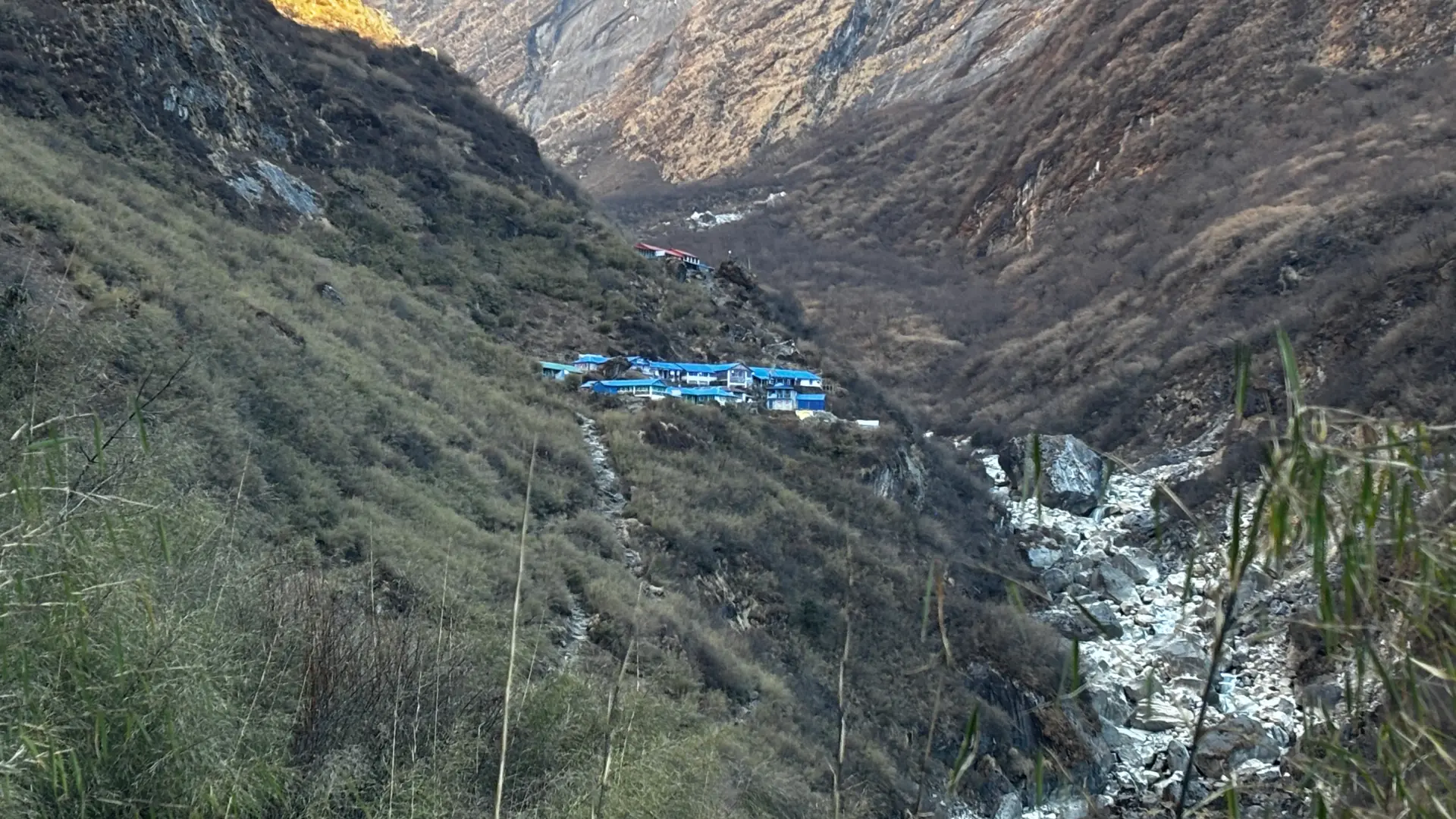
After breakfast, we walk deeper into the Annapurna region and higher into the mountains. This section of the trail takes us through dense bamboo and rhododendron forests, crosses suspension bridges, and follows the course of the Modi Khola. As we gradually ascend higher, we will notice the landscape becoming more dramatic and the valleys more enclosed.
Reaching Deurali (3,250m) marks a noticeable change in the environment. Forests thin out, temperatures drop, and waterfalls cascade down steep rock faces nearby. Take your time to acclimatize yourself and settle in the alpine region of the Annapurna Base Camp Trekking route.
Finally, it's one of the most awaited days of this short Annapurna Base Camp Trekking package. Today's walk begins a little earlier than any other day; we climb gradually to Machhapuchhre Base Camp (MBC), where the sacred peak of Machhapuchhre (Fishtail) rises sharply against the sky. From here, the landscape opens into a wide, glacial basin surrounded by towering mountains.
We spent a little while there, soaking in the beauty of MBC, before advancing towards the Annapurna Base Camp, the heart of the Annapurna Sanctuary. Here, some ice giants like Annapurna I, Annapurna South, Hiunchuli, and Gangapurna surround us. We spent the night here in the base camp before returning from the trail.
With a lot of memories and photographs, it's time for us to finally begin the return journey. The day begins with a beautiful and mesmerizing sunrise view from the Annapurna Base Camp. After breakfast, the trail leads downhill, retracing your steps through the heart of the Annapurna Sanctuary. Descending feels easier on the lungs, but the long walk requires steady footing and patience.
As we pass back through Machhapuchhre Base Camp and Deurali, the environment gradually softens. We can experience the air growing warmer, vegetation returning, and forests beginning to reappear. By the time we reach Bamboo (2350 meters), the surroundings feel greener and more sheltered. Moreover, this place also offers a comfortable place to rest after a long but rewarding day on the trail.
Today’s walk continues the descent through dense forests and quiet villages. This section of the short Annapurna Base Camp Trek goes down the stone steps and shaded paths, following the river far below. With altitude dropping steadily, walking becomes more relaxed, and energy levels noticeably improve.
As we reach Jhinu Danda, a beautiful settlement at an altitude of 1800 meters, natural hot springs welcome us for a relaxing rest day. Also, this day marks an official end to the walking portion of the 7 Day Annapurna Base Camp Trek. Take your time to relax and rest, while soaking in the hot water of a natural hot water spring. Overnight stay, and dinner will be arranged in Jhinu Danda by the Himalayan Ice Cap team.
Finally, it's time to put an official end to the 7 Day trek to the Annapurna Base Camp. After breakfast, we will drive you from Jhinu Danda to Pokhara, which takes about 3 hours. This drive goes through rural landscapes, crossing rivers and passing terraced fields as the mountains slowly recede into the distance.
As we arrive in Pokhara, you can take your time to get the refreshments. Also, the Short Annapurna Base Camp Trek comes to an official end as we reach Pokhara.
Cost Include
- Private transfer from Kathmandu Airport to your hotel.
- Local bus from Kathmandu to Pokhara and from Pokhara to Jhinu Danda and vice versa.
- Meals During the Trek - 3 Times (Breakfast, Lunch, and Dinner).
- Fresh seasonal fruits, daily during the trek.
- ACAP (Annapurna Conservation Area Permit).
- TIMS (Trekkers' Information Management System).
Cost Exclude
- International Flight
- All the accommodation in Kathmandu before and after the trip.
- All food in Kathmandu, before (and after) the expedition.
- Lunch and dinner in Pokhara.
- Evening meals when you stay in Kathmandu and Pokhara.
- Travel Insurance
- Personal expenses – shopping, drinks, snacks, hot (tea, coffee, etc.), cold drinks, laundry, phone calls, wake-up call, and WiFi with extra charges, battery charges, extra porters, shower, etc.
- Personal clothing and gear.
Photo Gallery
FAQ

Anil Tamang
Tour Manager