
Top Highlights

Trip Duration
15 Days

Max Altitute
5,545 meter

Best Season
Sep-Nov, Mar-May

Trip Grade
easy

Group Size
2-12 People

Trek start-Ending place
Kathmandu

Meal
B. L. D

Region
Everest Region
Highlight of The Everest Base Camp Trek
A chance to stand at the base camp ( 5,364 meters) of the highest peak in the world, Mt. Everest.
- Board on flights that land on and take off from one of the most adventurous and iconic airports in the world, the Tenzing Hilary Airport (Lukla).
- Walk deep in the Sagarmatha National Park, one of the UNESCO World Heritage Sites of Nepal.
- Delve deep into the lively culture, lifestyle, and tradition, and enjoy the hospitality of the Sherpa settlements.
- Enjoy hot tea or coffee with an exceptional view of Mount Everest from the Everest View Hotel, a hotel sitting at the highest point in the world.
- A perfect chance to get glimpses of the Khumbu Icefall and the Khumbu Glacier.
- Hike to Kalapatthar, the highest point of the entire trek, located at an altitude of 5,555 meters above sea level.
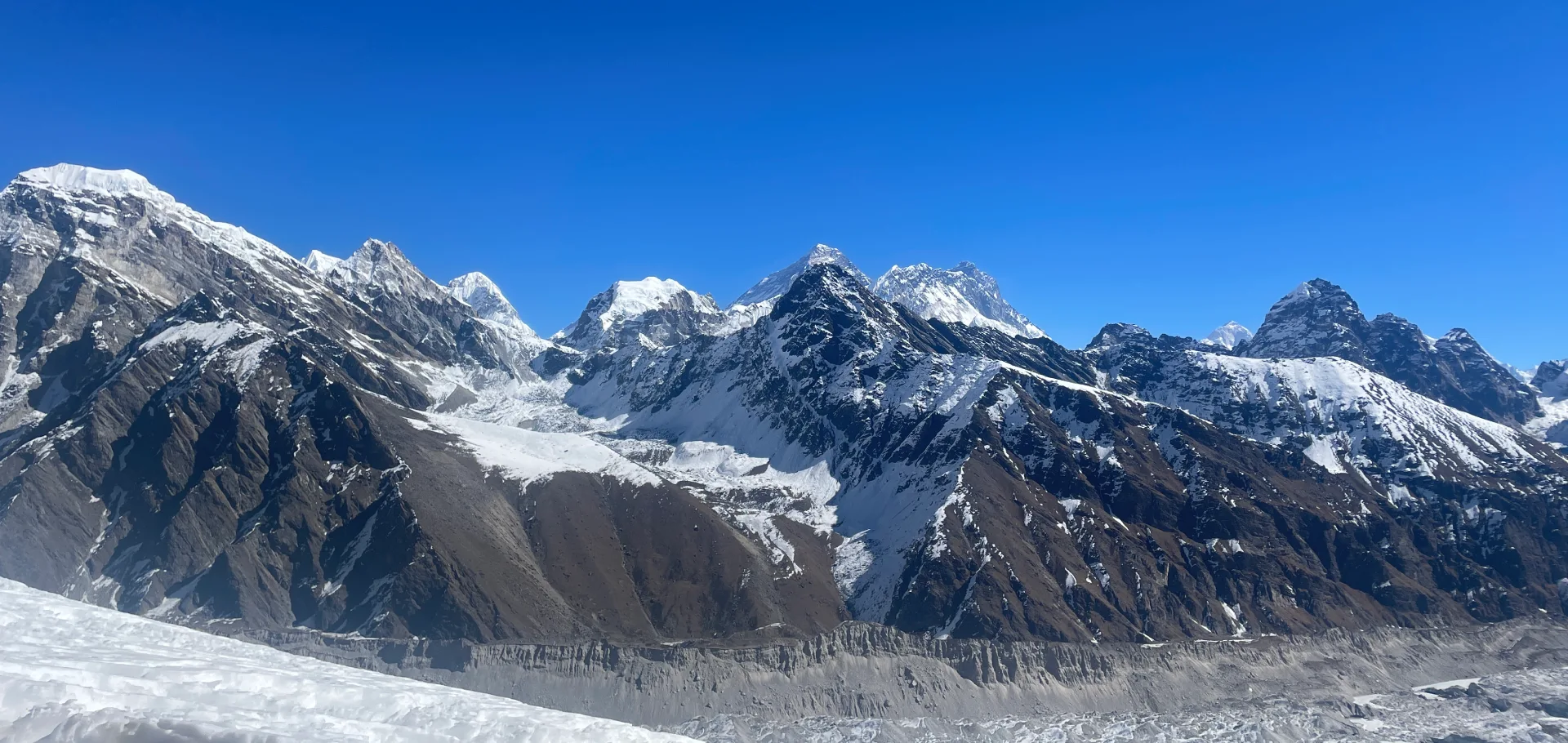
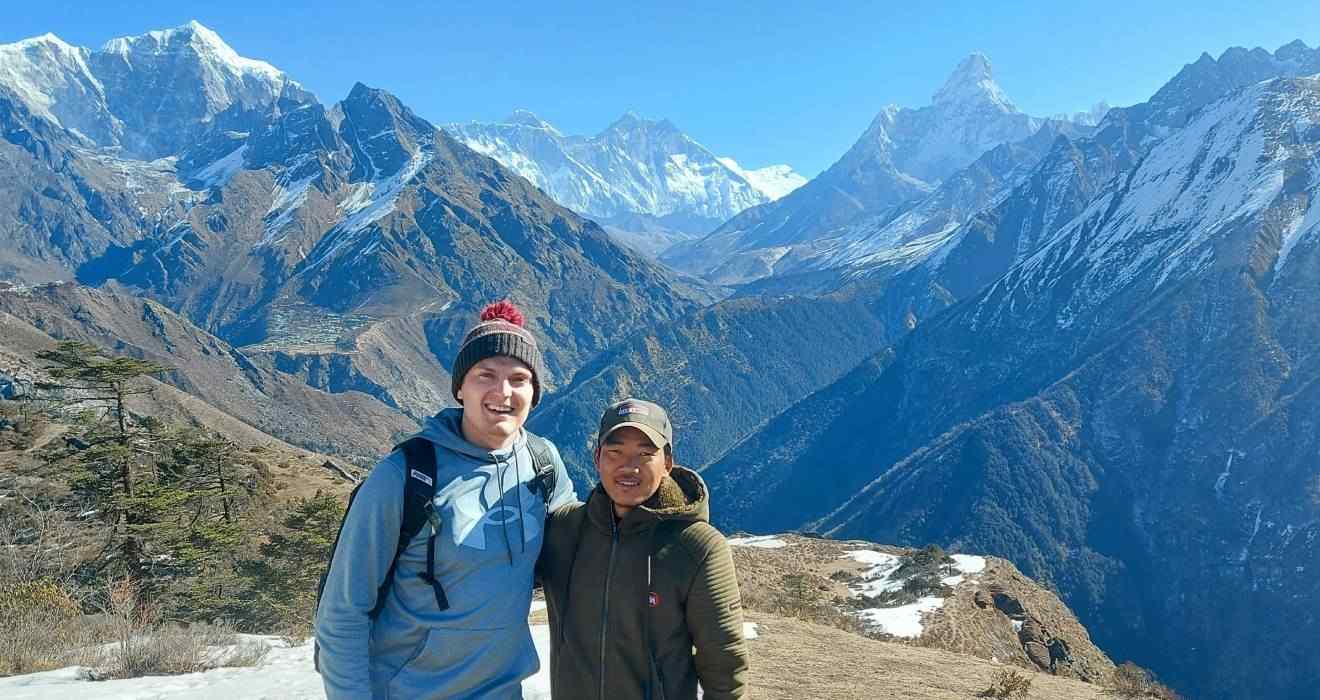
- Spectacular views of Mt. Everest, Ama Dablam, Lhotse, Nuptse, Thamserku, Cho Oyu, and many more.
14 Days Everest Base Camp Trek
Why Himalayan Ice Cap?
- Locally experienced: As we said, our guides are not just experienced climbers; they are the children of the Himalayas. They know every trail, turn, and tale of the Khumbu region.
- Safety first: When you book any trekking journey with Himalayan Ice Cap, we keep safety at the top. Everything else? Well, they will also be equally prioritized for sure.
- Itinerary Designed Thoughtfully: Our itinerary allows for proper acclimatization and maximizes scenic experiences, giving you the best chance to reach Base Camp comfortably and safely.
- Authentic Local Experience: Of course, a company from the local team ensures an authentic local experience. Trekkers will be staying in cosy teahouses, meeting welcoming Sherpa families, and immersing themselves in genuine mountain culture.
- Personalised Assistance: Throughout the trek, our representatives will provide personal and thorough care and assistance to every trekker in the group.
- All-inclusive support: From airport pickup to permits and meals on the trail, we handle all the logistics, so you can focus entirely on your adventure.
- Customizability: Want an extra acclimatisation day, a helicopter return, or a photography-focused itinerary? We provide customization options, too.
Permits for Everest Base Camp Trek
- Sagarmatha National Park Entry Permit.
- Khumbu Pasang Lhamu Rural Municipality Entry Permit.
- Trekkers' Information Management System (TIMS).
Useful Information
Best Season for Everest Base Camp Trek
Spring Season (March to May)
- Mild temperatures are perfect for long trekking days.
- Blooming alpine forests and colourful landscapes.
- Lively mountaineering atmosphere in base camp.
Autumn Season (September to November)
- Clearest sky offering the most pristine mountain views.
- Cool and stable trekking weather.
- Best chance to witness some uninterrupted views of the Himalayas, glaciers, and the valleys.
Is it possible to trek in Winter and Monsoon?
Everest Base Camp Trek Difficulty Level
Who is this trek for?
How to Prepare for the EBC Trek?
- 4-5 days/week trekking or hiking practice
- Cardio workouts (running, cycling, stair climbing)
- Leg strength exercises (squats, lunges, step-ups, weighted stair climbs)
- Core workouts (planks, dead bugs, mountain climbers)
- Carry a 5-8kg backpack on training hikes to simulate real trekking days.
- Practice slow pacing: “walk high, sleep low” mindset
- Keep a steady breathing rhythm
- Train on hills or stairs regularly
- If available, use altitude-training masks or chambers (optional, not essential)
- Early starts and cold mornings
- Long walking days
- Unexpected weather changes
- Minimal comforts in higher regions
- Aim for 3–4 litres of water daily
- Electrolyte powders help maintain energy
- Avoid alcohol and smoking before and during the trek
- Bring personal medicines & altitude tablets (consult your doctor)
Packing List for Everest Base Camp Trek
Packing right certainly enhances your Everest Base Camp Trekking experience. In the Himalayas, weather shifts fast, temperatures drop below freezing at higher altitudes, and comfort becomes your greatest luxury. So, we recommend the trekkers to go through this checklist to make themselves trek-ready:
Essentials
- Duffel bag
- Daypack (30-40L) with rain cover
- Trekking poles (knee-savers on descents)
- Sleeping bag (-10°C to -20°C) rating
- Reusable water bottles (2L total) or hydration bladder
- Water purification tablets or a filter
- Headlamp with extra batteries
- Sunglasses (UV protection, glacier-appropriate)
- Travel insurance papers & permits
- Passport + copies
Other Packing
- Moisture-wicking thermal tops & bottoms
- Quick-dry trekking shirts (2-3)
- Breathable trekking pants (2 pairs)
- Fleece jacket or wool sweater
- Insulated down jacket (must-have)
- Softshell or windproof jacket
- Waterproof jacket & pants
- Buff or neck gaiter
- Warm hat & sun hat
- Lightweight gloves & thermal gloves
- Trekking boots (broken in)
- Comfortable camp shoes/slippers
- Wool trekking socks (3–4 pairs)
- Sock liners (optional but helpful)
- Quick-dry towel
- Sunscreen (SPF 50+) & lip balm
- Wet wipes + hand sanitiser
- Toothbrush & paste
- Deodorant
- Foot powder (blister prevention)
- Personal first–aid kit
- Altitude medication (Diamox - doctor's recommendation)
- Antiseptic cream & bandages
- Pain relievers
- Blister plasters (Compede/3M)
- Electrolyte tablets
- Personal medications
- Power bank (minimum 10,000–20,000 mAh)
- Universal travel adapter
- Camera/GoPro (optional but worthwhile)
- Energy bars
- Nuts, dry fruits, and chocolate
- Electrolyte sachets
- Some extra cash (preferably NPR)
Pro Tips
When packing for the Everest Base Camp Trek, aim to keep your porter duffel to around 10-15kg because lighter feels smarter as the altitude kicks in. Also, focus on layering rather than bulky jackets, because the weather up high has mood swings, and you’ll constantly be adding or removing clothes to stay comfortable. Last but not least, using zip-lock bags can help keep gear separated, clean, and dry even when conditions shift.
Food and Accommodation During the EBC Trek
When you set foot on the Everest trail, you’re not just walking toward Base Camp; you’re stepping into the heartbeat of Sherpa culture. Along the route, we will also find cosy and hygienic teahouses, mostly run by families. Besides, you can also count on the Himalayan Ice Cap team to arrange the best accommodation throughout the Everest Base Camp.
Accommodation
Throughout the EBC Trekking trail, we can expect family-run mountain lodges offering basic but comfortable rooms. Most rooms have twin beds, warm blankets, pillows, and shared bathrooms. As you ascend higher, facilities become more rustic and temperatures dip sharply, so a warm sleeping bag is essential for a snug night’s rest.
Almost all of the tea houses have common dining halls, usually heated with a central stove. It's a perfect area to rest while chatting with trekkers from across the world after long walking days. Charging, Wi-Fi, and hot showers are available in many teahouses, though they often come with a small extra cost at the higher altitudes.
Food
Throughout the Everest Base Camp Trek, the teahouses and hotels serve food that is specially designed for trekkers; nutritious, energizing, and surprisingly diverse for such remote terrain. We can expect dal bhat, shyakpa (Sherpa stew), noodles, rice, pasta, potatoes, vegetable soups, momos, Tibetan bread & pancakes, eggs, and porridge for breakfast.
Besides, the trekkers can also expect beverages like tea, coffee, hot lemon, ginger-honey tea, best for comfort in the trekking region. As altitude increases, menus get simpler, and food prices rise, since everything is carried up by porters or flown in. You’ll find plenty of snacks for sale on the trail, but bringing a stash of energy bars, nuts, and chocolates keeps your trekking pack.
Transportation During the EBC Trek
Other Facilities During the Everest Base Camp Trek
How to Prevent Altitude Sickness
- Trek slow and steady
- Drink plenty of water (3-4 litres every day)
- Fuel up with proper meals
- Avoid alcohol and smoking during the trek
- Take acclimatization hikes
- Dress warmly and take special care of the exposed parts of the body, like necks, hands, and face.
How to manage symptoms if they show up
- Rest, hydrate, and take it easy for a few hours.
- Tell your guide immediately if you feel any symptoms.
- User medications like Diamox, if recommended.
- Descend if symptoms get worse.
- Make sure to prioritize your health.
Trek Safety and Travel Insurance
No matter which trek you go on, safety is never just a checkbox; it's the foundation of the entire experience. The Everest Base Camp Trekking journey takes us into one of the most breathtaking yet remote regions in the world. Let us make you aware that this is the place where trails climb above 5,000 metres, and the weather can shift in minutes. Therefore, it's crucial to trek with a reliable guide team and ensure you’re covered with the right travel insurance.
While obtaining a travel insurance policy, make sure it includes emergency evacuation (up to 6,000m), medical treatment, trip cancellation, and loss or damage of gear. Helicopter rescues in the Himalayas are expensive, and having proper insurance gives you peace of mind, knowing help is available when you need it most.
Moreover, here are a few more things that the Himalayan Ice Cap team recommends to make your trek safer:
- Choose experienced guides and porters, and to make it easier, you can choose the Himalayan Ice Cap.
- Keep yourself hydrated and maintain a slow yet steady pace.
- Keep an eye on symptoms of altitude sickness, like headaches, nausea, or dizziness.
- Follow all the instructions provided by the guides.
- Carry a basic first aid kit with essentials like Diamox, pain relievers, and blister patches.
Remember that when you trek with Himalayan Ice Cap, our team keeps your safety as their top priority. Whether it be route planning and acclimatisation schedules to constant weather monitoring and emergency readiness, we do it all for you.
Book the Everest Base Camp Trek Now!
If Everest Base Camp has been sitting on your bucket list, this is your sign to make it happen. With Himalayan Ice Cap, you’re not just signing up for a trek; you’re joining a team that truly gets what adventure means. It's very easy for you to book with us, just check the pricing on the right side of the package and click on the BOOK NOW button.
If you have any queries or questions regarding both the trek and our services, you can click on the INQUIRE NOW button and send us the query. Besides, our team can also be contacted via email at info@himalayanicecap.com. www.himalayanicecap.com
Itinerary
Welcome to Nepal, the land of the Himalayas! That's how our representatives greet you as you land at the Tribhuvan International Airport (Kathmandu). The thrill begins as soon as your plane touches down and gets summed up when we take you on a drive towards the hotel. We go past some lively lanes of Thamel, filled with colourful prayer flags, trekking stores, and the distant rhythm of temple bells.
At the hotel, you can expect a warm welcome from the staff before heading to your respective rooms. In the evening, our guides will provide the trekkers with a pre-trek briefing, and after that, you can enjoy the welcome dinner. After that, we recommend trekkers to rest as soundly as they can, as tomorrow, we step into the land of towering peaks, rugged trails, and adventure that lives in every heartbeat.
The journey to the Everest Base Camp begins with one of the world's most legendary mountain flights to the Tenzing & Hilary Airport (Lukla). This breathtaking flight flies us over emerald valleys and snow-clad ridgelines to the tiny airstrip of Lukla, perched high in the mountains. The rush of landing here is pure adrenaline, the gateway to your Everest dream. Once you hit the trail, it’s an easy, scenic trek through Sherpa villages, lush pine forests, and across suspension bridges draped in prayer flags fluttering against a crisp mountain sky.
After about 3 to 4 hours of trek from Lukla, we reach Phakding, a charming riverside hamlet. As you reach closer to Phakding, the sound of the Dudh Koshi River hums softly. Take your time to stroll around the village and interact with the locals before settling into your teahouse.
Every day in the Everest Base Camp Trek reveals a new adventure, thrill, and experience. Today's day ends with us ascending to one of the most iconic towns of the Everest region, Namche Bazaar. The trek takes us through forests of rhododendron and pine, crossing a series of suspension bridges that sway dramatically above the thundering Dudh Koshi. Besides, we will also come across some small settlements and many walls carved with Buddhist prayers.
In a little while, the trail enters the Sagarmatha National Park, and that's where we start getting amazing glimpses of Mount Everest. After that begins the final push to Namche Bazaar, a steep, zigzagging but thrilling ascent up the ridge. Let us tell you that this is also where we get our first panoramic view of the high Himalayas. It takes about 5 to 6 hours for us to reach Namche Bazaar, where we will have dinner and sleep for the nig
The Himalayan Ice Cap team ensures proper acclimatization to keep the trekkers physically and mentally healthy. How do we do that? Well, our 14 Day Everest Base Camp Trek package has two rest or acclimatization days, and today is the first one. On the fourth day, we stayed back and rested in Namche Bazaar. However, that does not mean that the trekkers will stay idle; instead, our team takes you for a hike to the Everest View Hotel.
Located at an altitude of 3880 meters, Everest View Hotel is recognized as the highest placed hotel by the Guinness Book of World Records (2004). We need to hike through a steep yet scenic trail across some yak pastures and Sherpa homes from Namche Bazaar to reach this hotel. As we ascend higher, mountains like Ama Dablam, Lhotse, and Everest start showing themselves up. Just sink into the feeling you get while sipping coffee on the hotel terrace, while seeing the Himalayas.
After spending some time in the hotel, we returned to Namche Bazaar for dinner and an overnight stay. Moreover, you can also stroll around the town and interact with the locals in the evening before dinner.
After a heart and tummy full of breakfast, we leave Namche Bazaar for Tengboche on the fifth day. Let us tell you that today's trek is about to be one of the most picturesque sections of the entire route. We walk along the mountainside with breathtaking panoramas of Everest, Ama Dablam, and Thamserku. After a quick ascent, the trail descends through rhododendron forests before crossing the Dudh Koshi River and taking on a steady uphill climb. Be aware that this ascent actually tests your endurance.
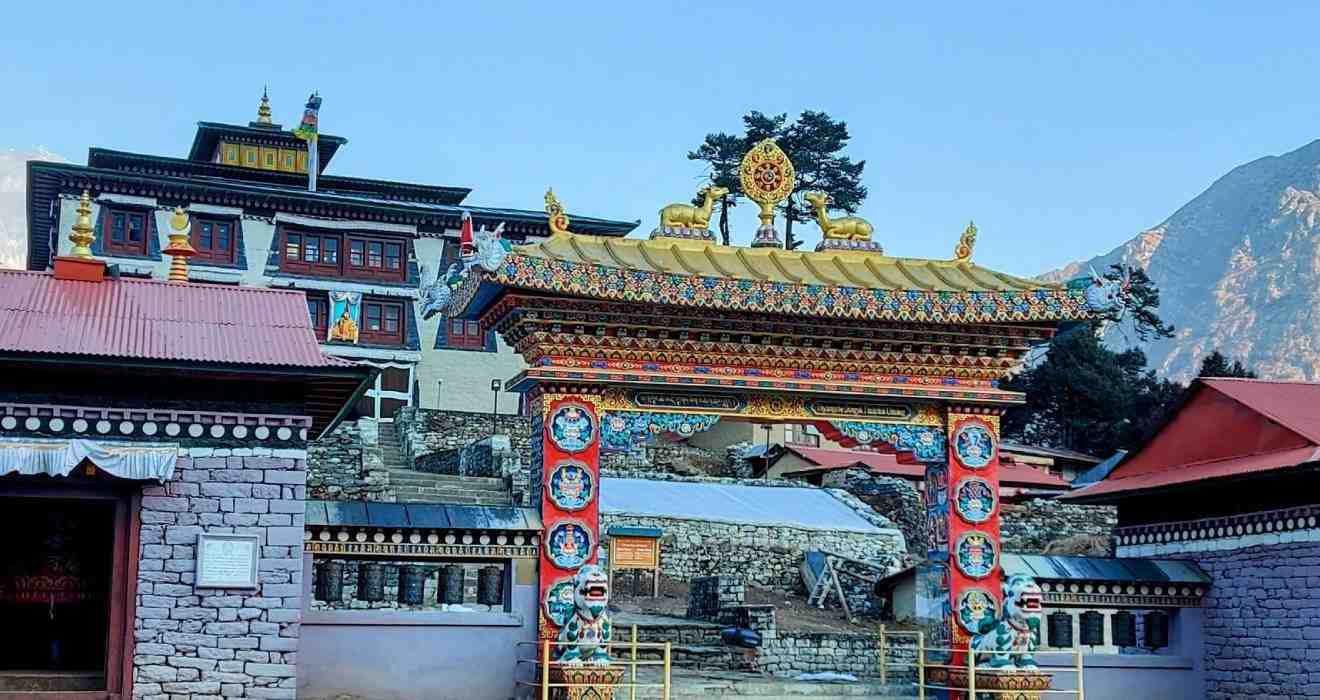
It takes only about 4 to 5 hours for us to do all of these ups and downs before reaching Tengboche. Seated at the top of the hill, Tengboche is a peaceful mountain haven crowned by its magnificent monastery. Here, we will be in for a peaceful and serene spiritual experience followed by Buddhist chants. In the evening, this village becomes more magical by offering a close view of the setting sunlight striking the mountain peaks.
On the sixth day, we cross the 4000-meter threshold, bringing in some extreme risks of altitude sickness. Therefore, we recommend that all trekkers be prepared before we leave Tengboche. The starting part of today's walk descends through forests of birch & rhododendron and crosses a suspension bridge over Imja Khola. After that comes the ascending part as we climb with Ama Dablam standing tall beside you like a guardian.
As we reach Dingboche, located at an altitude of 4410 meters, we can notice the terrain changing with trees fading and vast alpine meadows opening up beneath towering peaks. Besides, this beautiful Sherpa village is surrounded by stone walls and potato fields, offers your first real taste of high-altitude living. Besides, you will also get some mesmerizing views of Lhotse, Island Peak, and Ama Dablam.
Another day to rest before making the final few days of ascents to the Everest Base Camp. We will spend today in Dingboche to rest and relax. However, let us tell you that you will not feel any boredom during your stay in this village. As a trekker, you'll be glad to know that Dingboche has some of the best side hikes in Khumbu; one of them being the Nangkartshang Hill hike (5,083m). This side hike also sits as a popular one among the trekkers walking on this trail, as it rewards us with panoramic views of Makalu, Ama Dablam, and the valley below. Also, remember that it's going to be a steep but invigorating one, which will help our bodies adjust to the thinner air.
After the hike, we return to Dingboche in the afternoon, and then you can relax with sips of hot tea or coffee in the tea house. Also, prepare yourself for some more adventures and alpine walks which are yet to come.
On the eighth day, we leave Dingboche and continue on the Everest Base Camp Trekking route. Today's trail starts with the path going through open valleys and rugged glacial terrain. Here, each step takes us closer to the realm of the giants. In a little while, the trail passes the small village of Thukla, where a steep climb leads to the Everest Memorial Park, a sacred spot adorned with stone cairns honouring climbers who have lost their lives on Everest. It’s a quiet, moving moment that adds emotional depth to your journey.
After crossing the memorial park, we need to go for a gradual ascent to reach Lobuche. This village, located at an altitude of 4930 meters above sea level, sits beneath the immense walls of Nuptse and Lobuche Peak. Also, we can experience air getting thinner, temperature crisping, and the environment getting cooler. Overnight stay and dinner will be arranged by our team in Lobuche for the night before we continue the trek the next day.
Finally, a day of anticipation as it's the day when we reach the Everest Base Camp. We need to start today's walk a little earlier, as it will be one of the difficult sections of the entire Everest Base Camp Trek. The morning trek to Gorakshep is rugged but exhilarating, tracing along the edge of the Khumbu Glacier, where the landscape feels almost lunar. After a short rest and lunch in Gorakshep, we’ll set out for the legendary Everest Base Camp.
After that begins the final stretch of the Everest Base Camp Trek, a rocky trail winding through glacial moraines. Just wait till you see yourself standing at the base of the highest peak in the world, surrounded by fluttering prayer flags. Take your time to breathe in the chill, cool air of the Himalayas while witnessing the icy brilliance of Khumbu Icefall. The sense of achievement, awe, and humility all blend while you capture photos and videos.
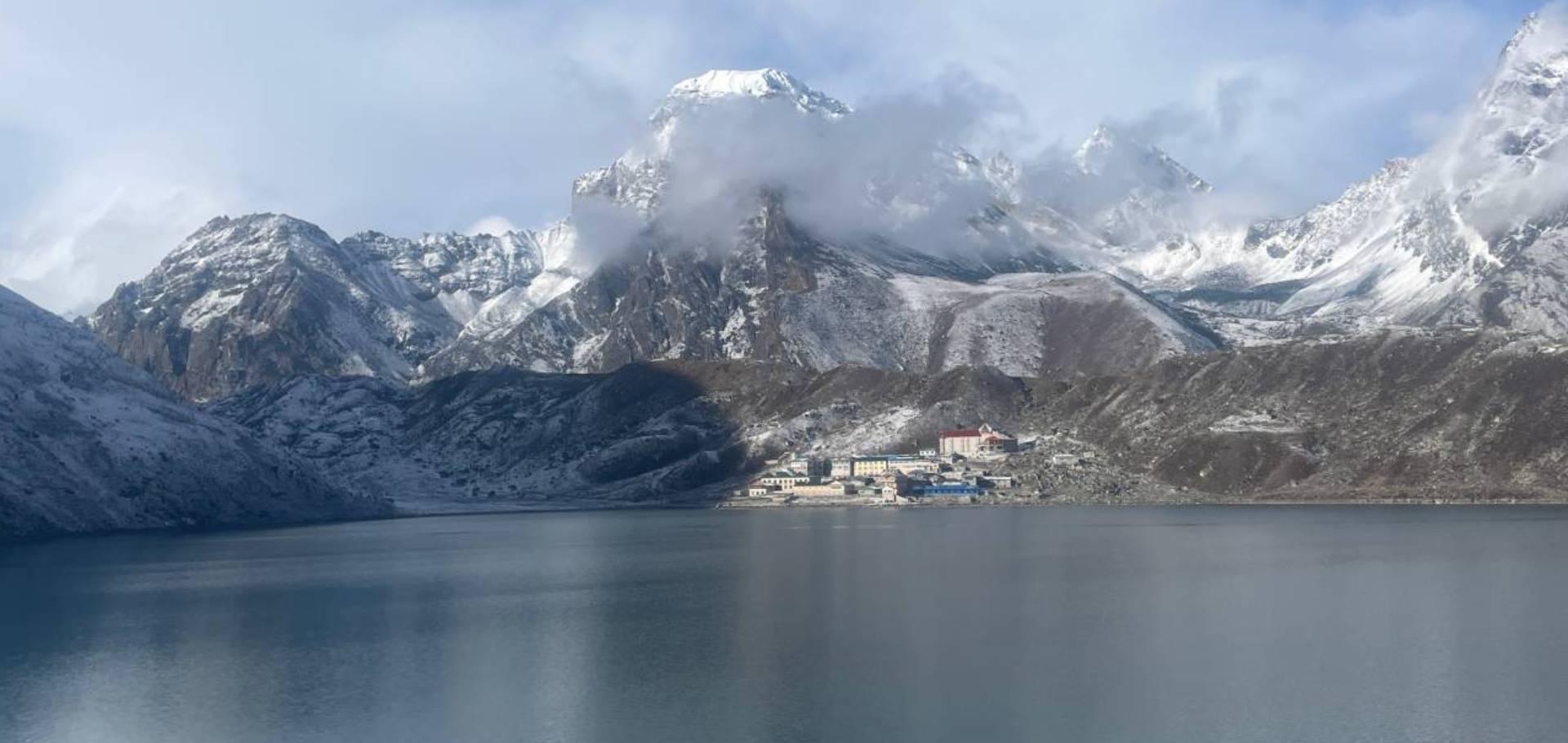
After spending some time in the Everest Base Camp, we make our way to Gorakshep, a scenic village located at an altitude of 5160 meters above sea level. As you will have a tiring and exhausting day today, we recommend the trekkers to enjoy a peaceful and sound rest in Gorakshep.
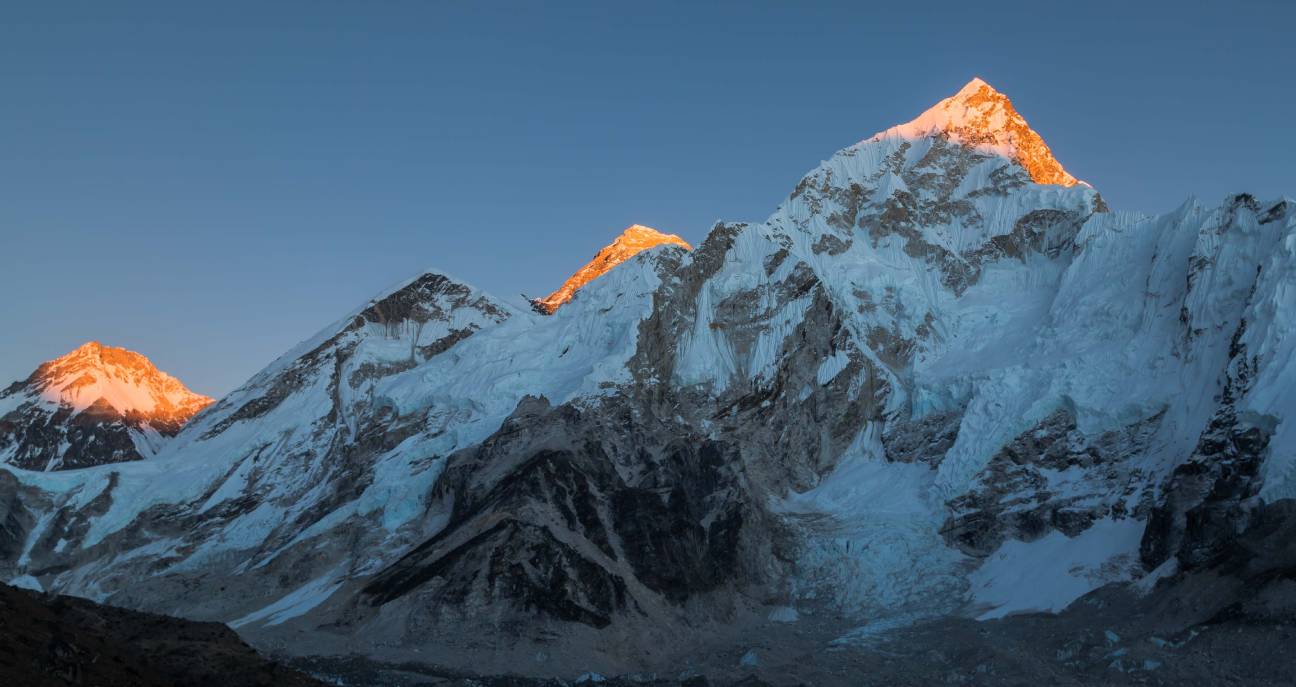
Another day begins before sunrise as we leave Gorakshep for Kalapatthar and then to Pheriche. Kala Patthar (5,555 meters) sits as the highest point of the entire Everest Base Camp Trekking map. The climb is steep and demanding, but as the first rays of sunlight strike Everest’s summit, turning it gold, every drop of effort melts into awe. You’ll be surrounded by a 360° panorama of the Himalayan crown; Everest, Lhotse, Nuptse, and Pumori blazing in morning light.
After spending some scenic time on the Kala Patthar viewpoint, we make a descent towards Pheriche, another amazing village at an altitude of 4280 meters above sea level. In this village, the air feels richer, the terrain greener, and the body begins to relax. In the evening, take your time to get the soundest of rest and prepare to return from the trail.
Today's trail retraces its way down the valley, each step feeling lighter and more effortless. We need to walk for about 5 to 6 hours to reach Namche Bazaar. This section of the Everest Base Camp Trek takes us through Pangboche and crosses suspension bridges once again, now familiar yet still spectacular. Furthermore, we will also notice the mountains slowly retreating behind us.
Reaching Namche Bazaar feels like returning home after such a tiring journey to the base of the world's tallest peak. Settle in the hotel and go for warm showers before treating yourself with fresh bakery treats, and the lively chatter of trekkers fills the air. In the evening, the hotel serves you with a delicious and fulfilling dinner and a cozy overnight sleep.
Finally, it's the last day for us to walk on the Everest Base Camp Trekking trail. Also, let us tell you that today's walk will be a mix of nostalgia and joy as you descend the final trails through forests, prayer stones, and suspension bridges. Also, each bend in this section of the trek offers a last glimpse of the mountains that carried your dreams.
After such an amazing walk to the Everest Base Camp, we finally reached Lukla, which is about 5 to 6 hours from Namche. Take your time to stroll around the town before we enjoy our last meal in the Everest trekking region. The laughter and cheers at the teahouse tonight carry a different kind of warmth, a warmth of accomplishment.
Today, we bid a final farewell to the Everest region as it's time for us to fly back to Kathmandu. If there are no delays, we will go for a morning flight from Lukla to Kathmandu, retracing your route through the clouds.
Back in the city, the chaos feels surreal after days of silence and snow. Stroll around the city, go shopping, or you can also relax in the pubs or cafes in Kathmandu before returning to the hotel for a farewell dinner.
Finally, today we officially wrap up the 14 Day Everest Base Camp Trek. With your heart full and your legs a little stronger, our representatives drive you to the Tribhuwan International Airport for your onward journey.
However, if you want to continue the adventure and go for any other journey, you can book other trekking or tour packages with Himalayan Ice Cap.
Departure Dates
Start: Friday
Aug 15, 2025
End: Monday
Sep 15, 2025
Price
$ 1150
Status
Guaranteed
Cost Include
- Arrival and departure at the International Airport.
- Hotel in Kathmandu with Bed & Breakfast.
- Sagarmatha National Park Fee.
- All Permits.
- Domestic flight.
- Accommodation and Meals (Breakfast, Lunch & Dinner) during the trek period.
- Daily Wages and Insurance of guides and porters.
- 1 porter for 2 trekkers.
- Sightseeing in Kathmandu.
Cost Exclude
- Personal Travel Insurance (compulsory to have insurance that covers helicopter evacuation)
- Lunch & dinner in Kathmandu
- Emergency Rescue evacuation
- Personal expenses such as shopping, snacks, bar bills, bottled beverages, boiled water, shower, laundry, telephone calls, battery recharge fee, souvenirs, extra porters, etc.
- Tipping for trekking staff
- Personal Equipment for Trekking
- Excess Baggage Charge
- Extra night accommodation in Kathmandu due to early arrival, late departure, or early return from trekking (before the planned itinerary)
- All optional additional tours or activities during free time
- Additional costs or delays caused by management out of control, like landscape, bad weather conditions, in case of itinerary modification with a view to safety concern, illness, change of government policy, political instability raises strikes, moments, etc.
Photo Gallery
FAQ

Anil Tamang
Tour Manager